Alliums 37
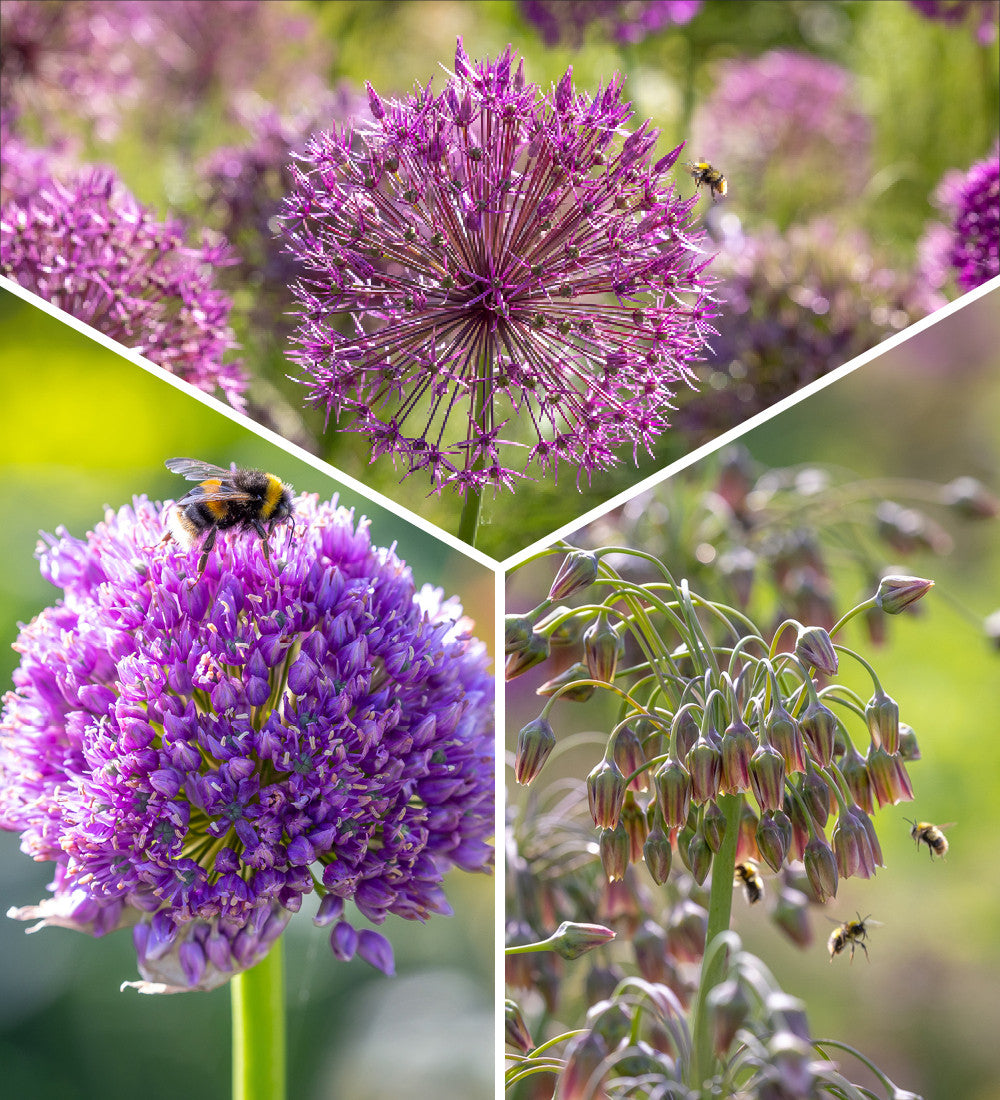
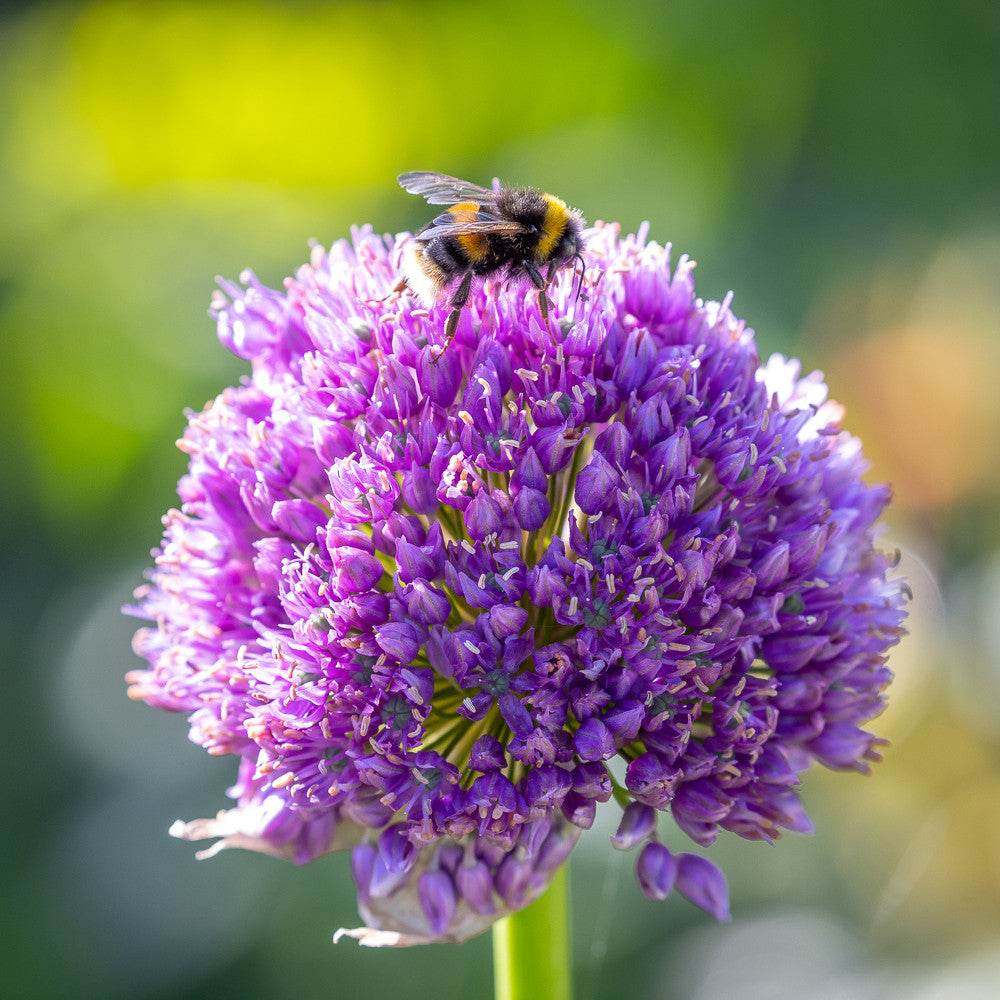
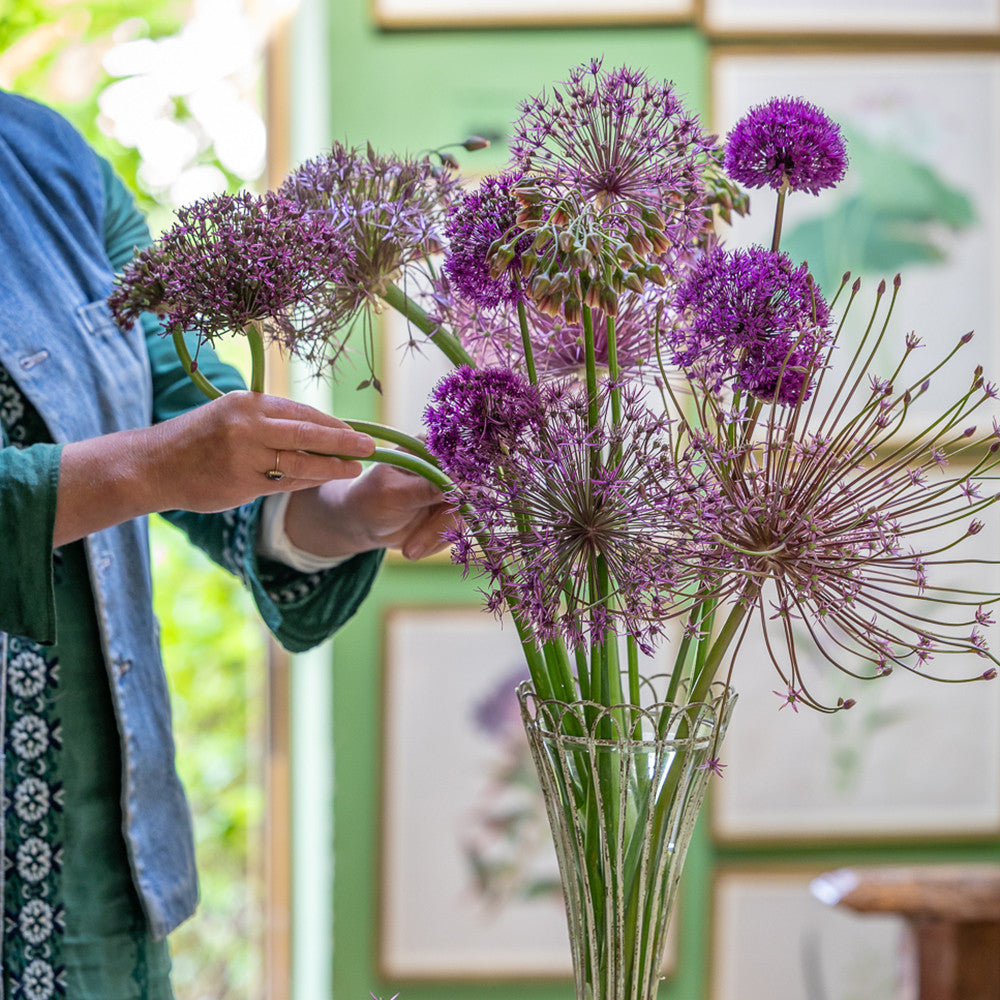
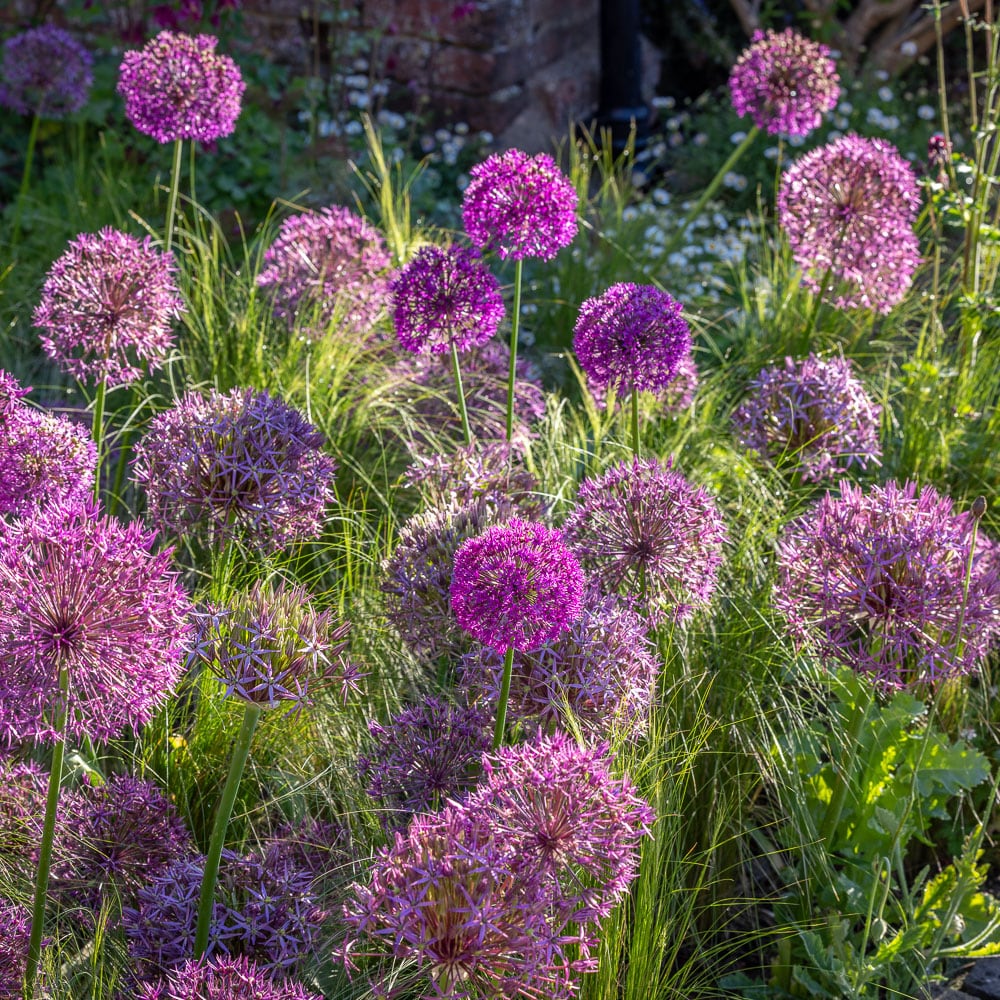
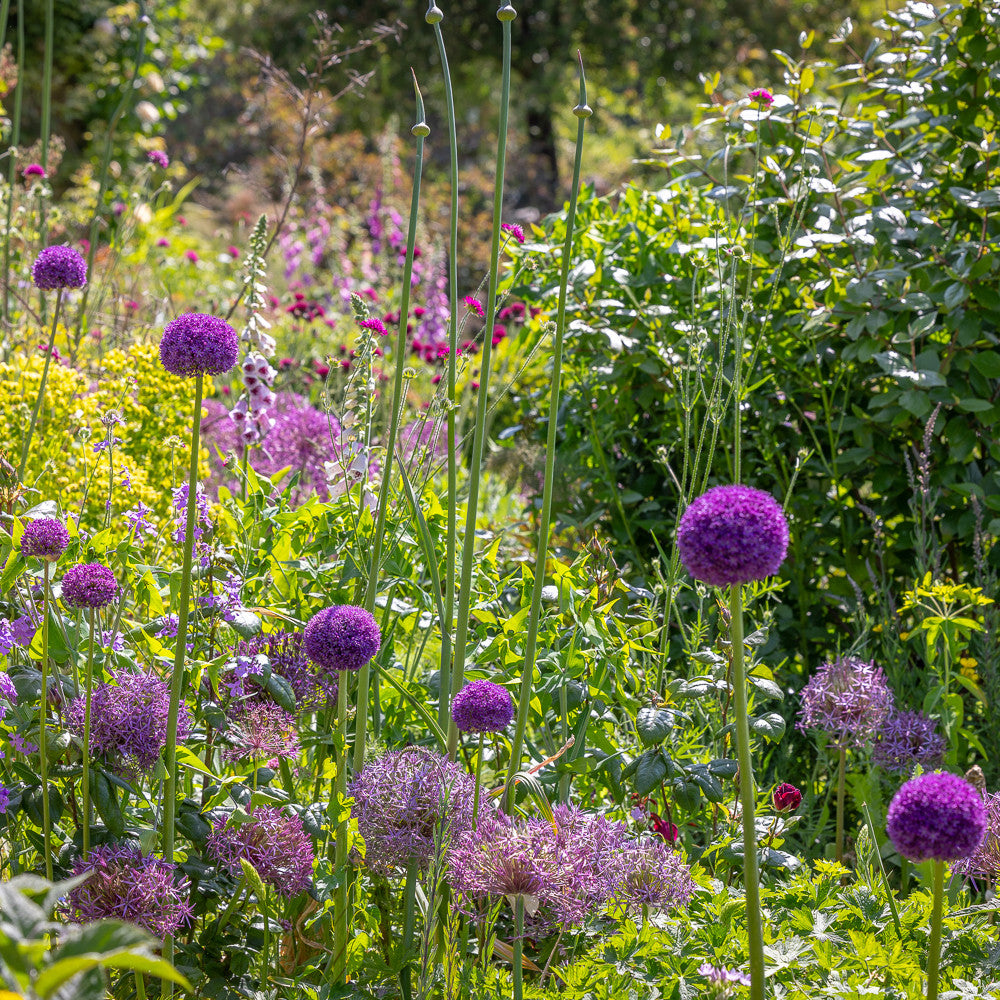
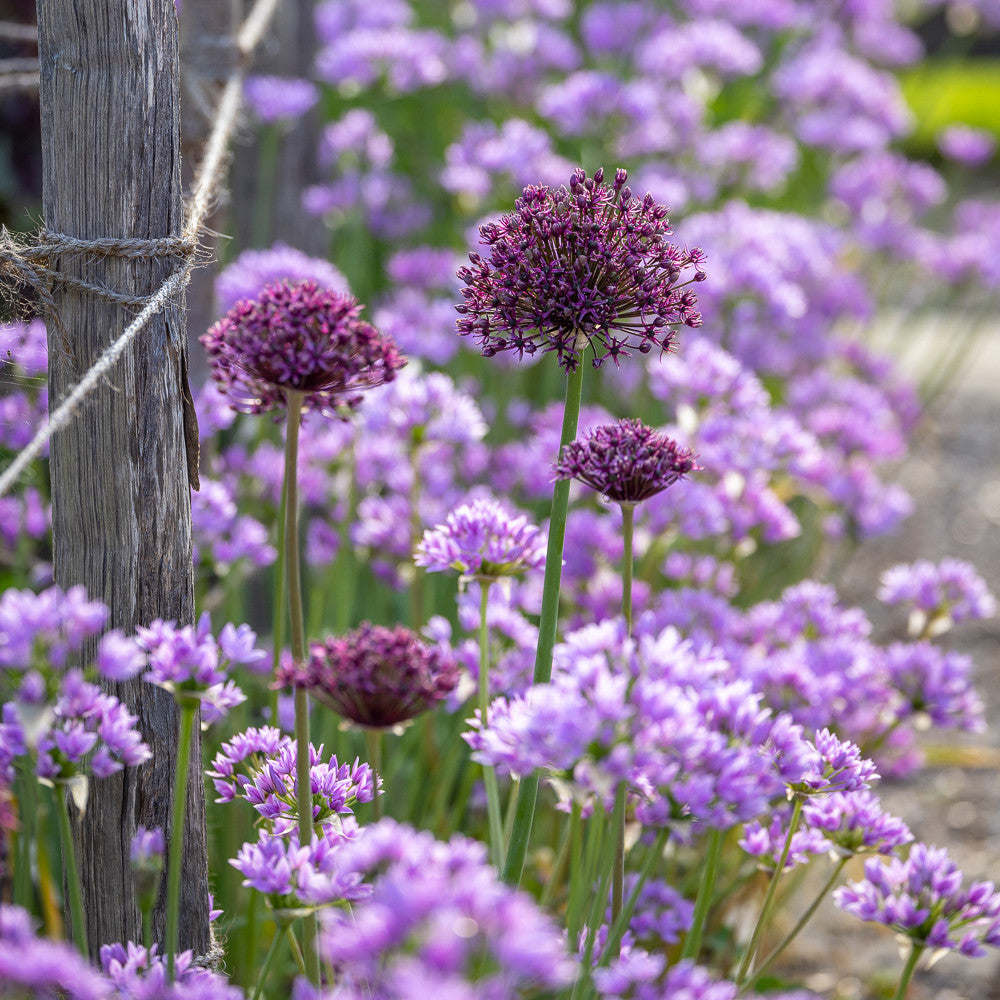
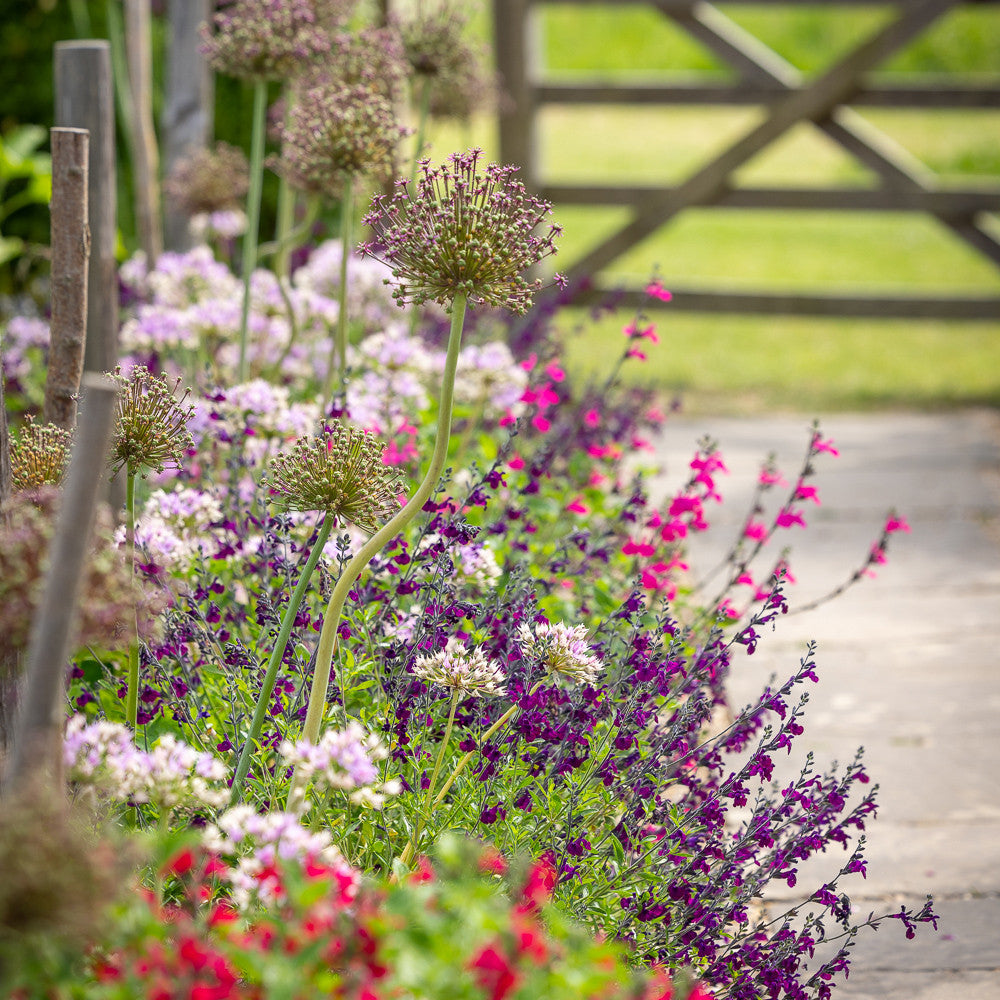
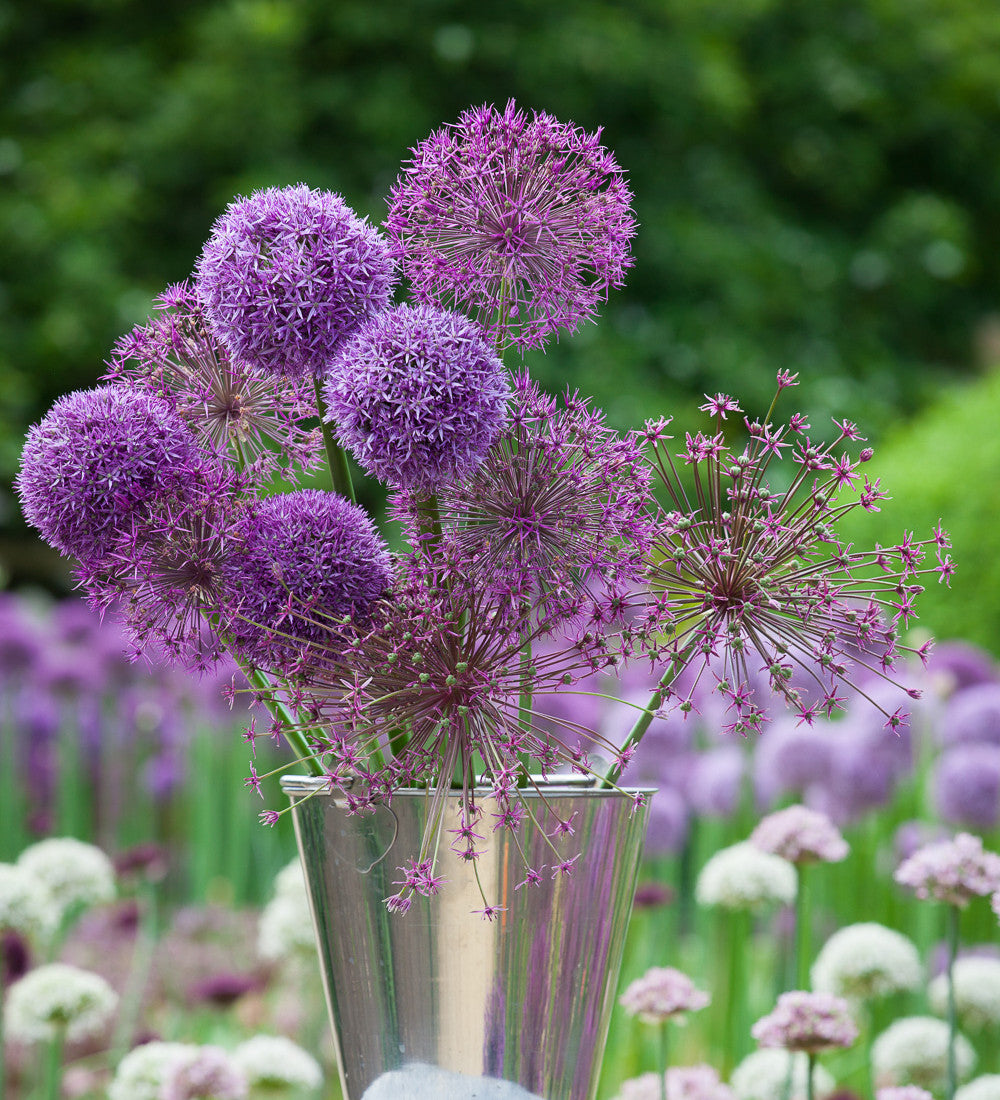
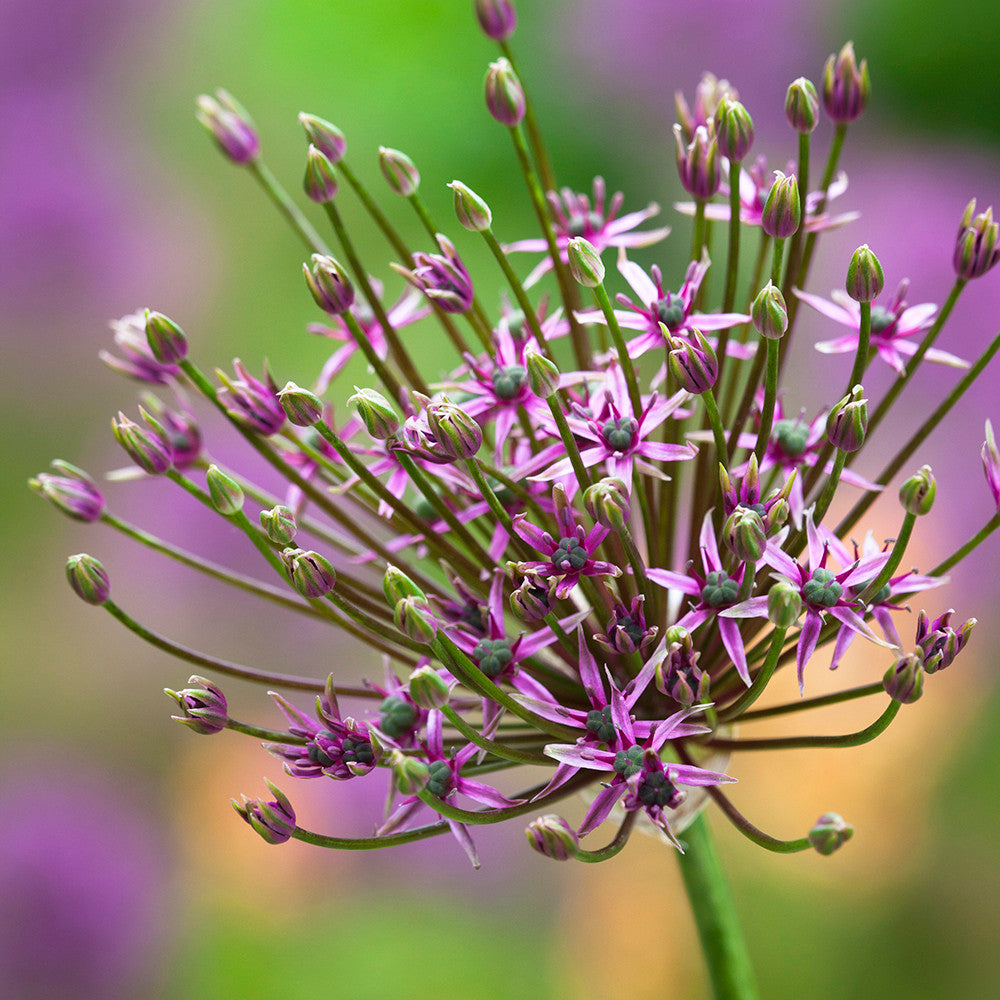
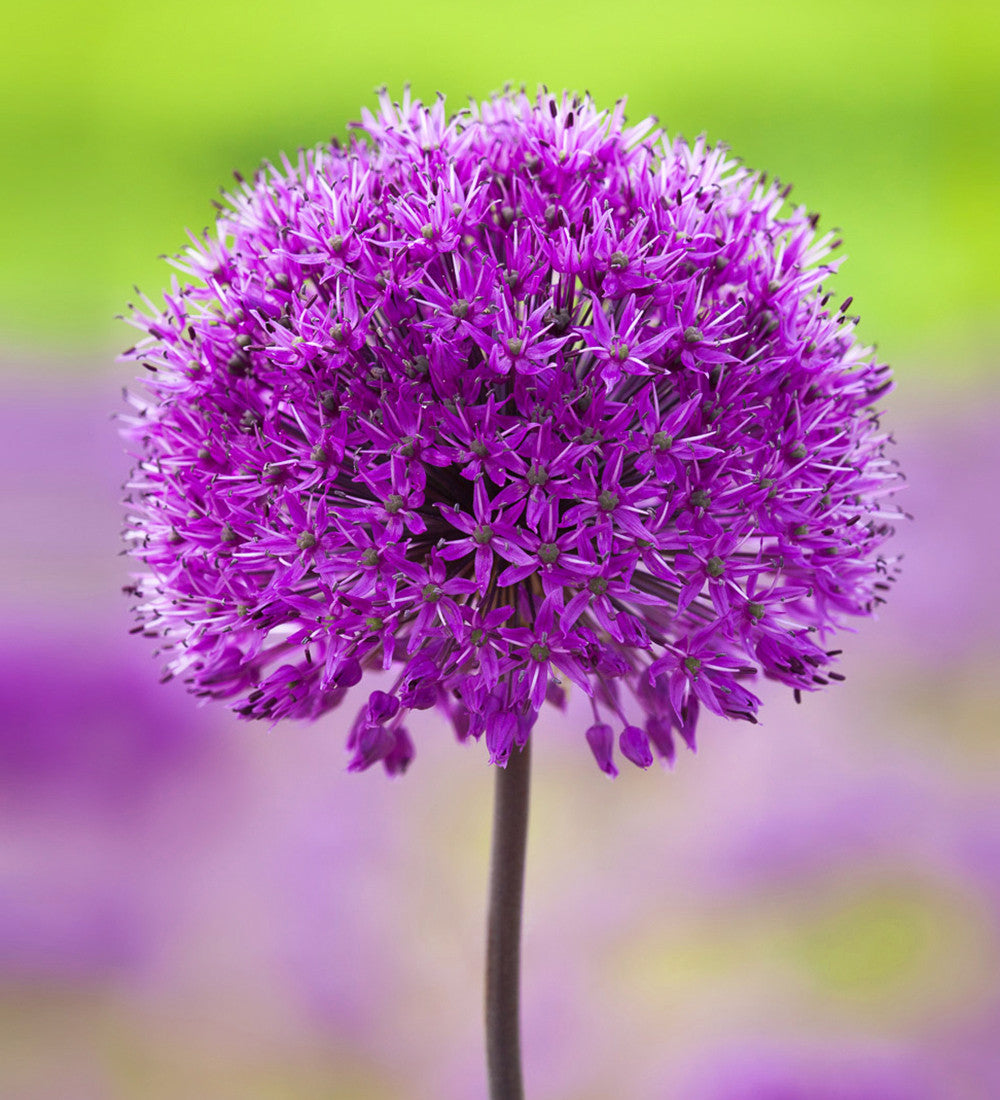
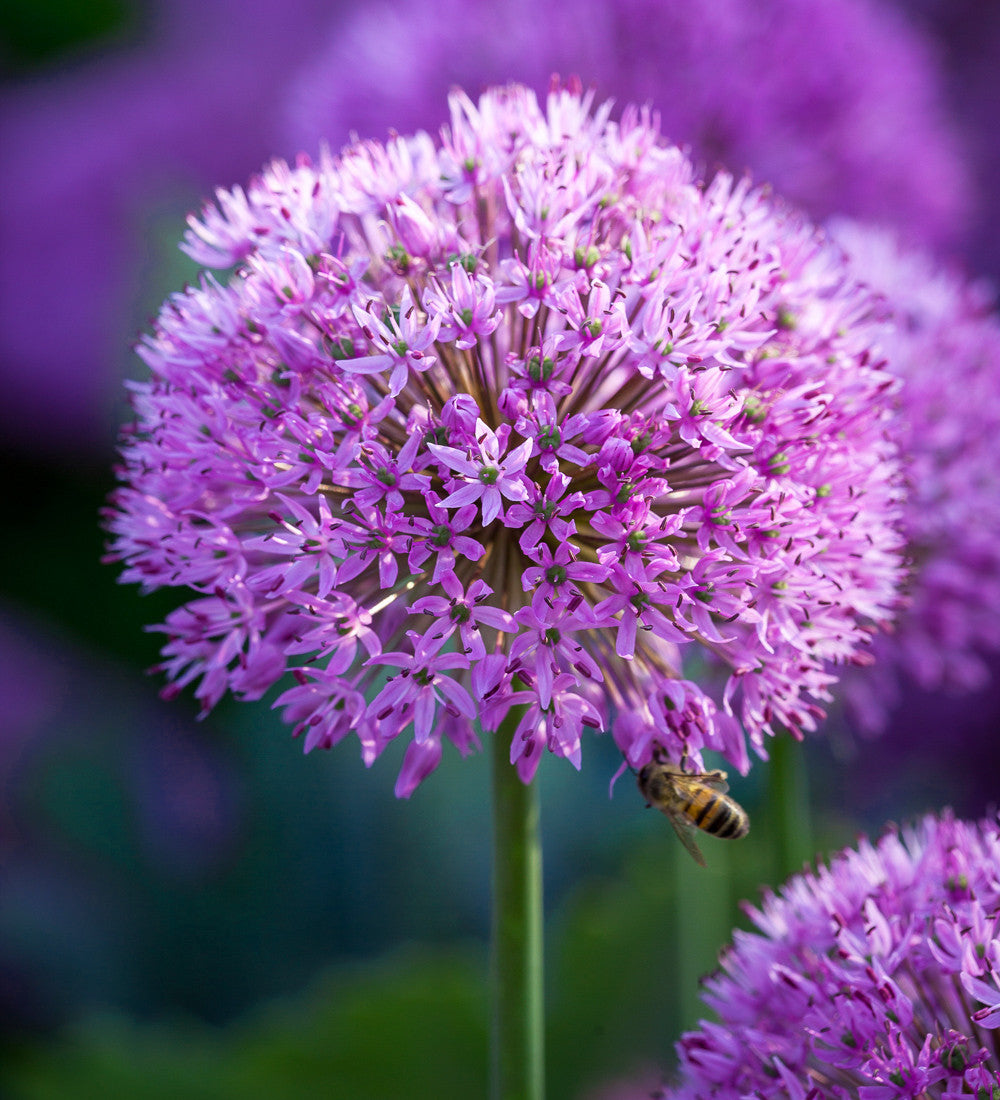
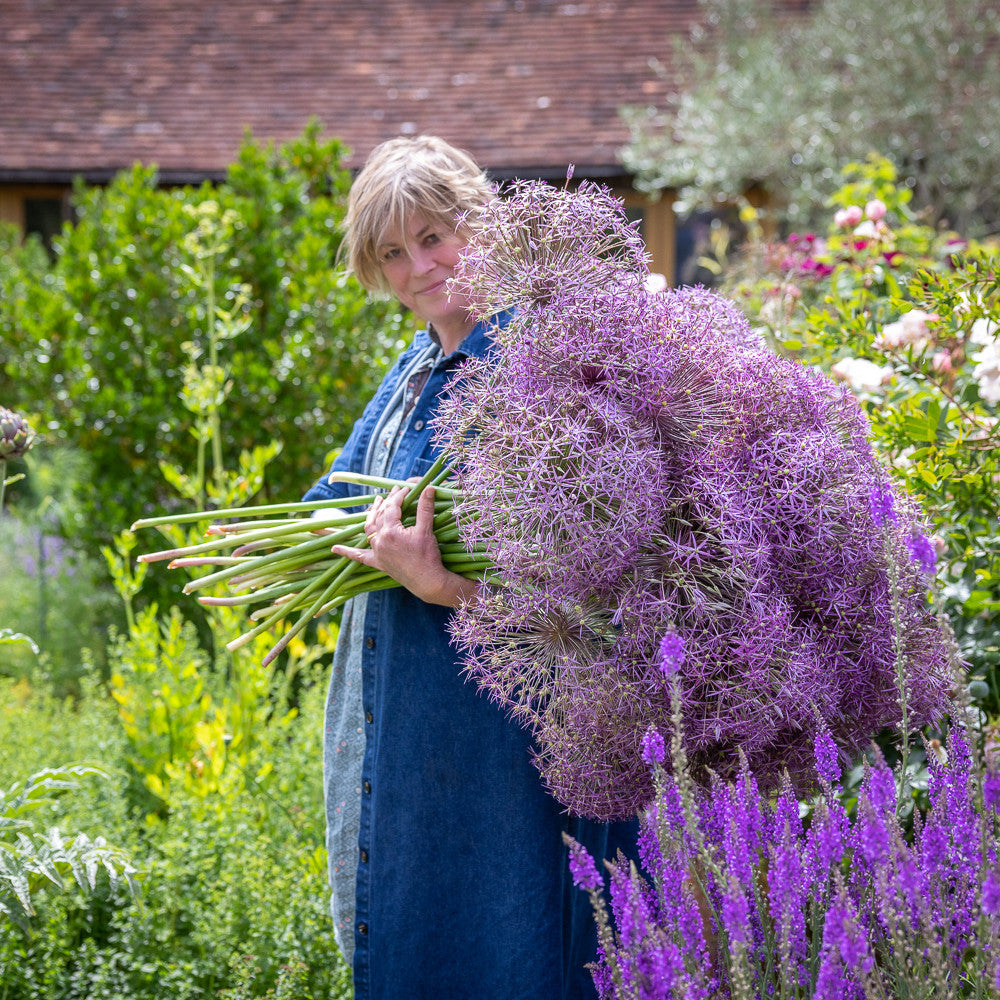
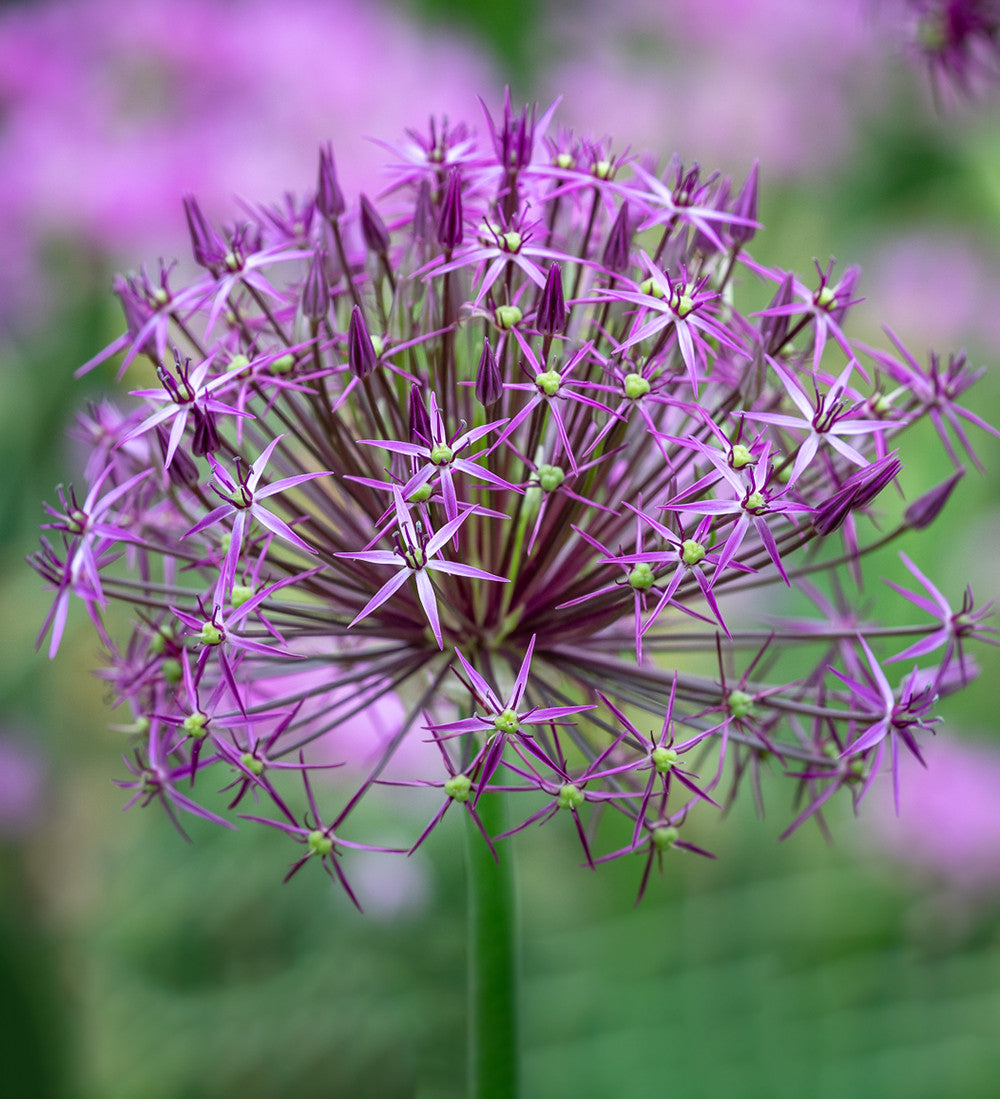
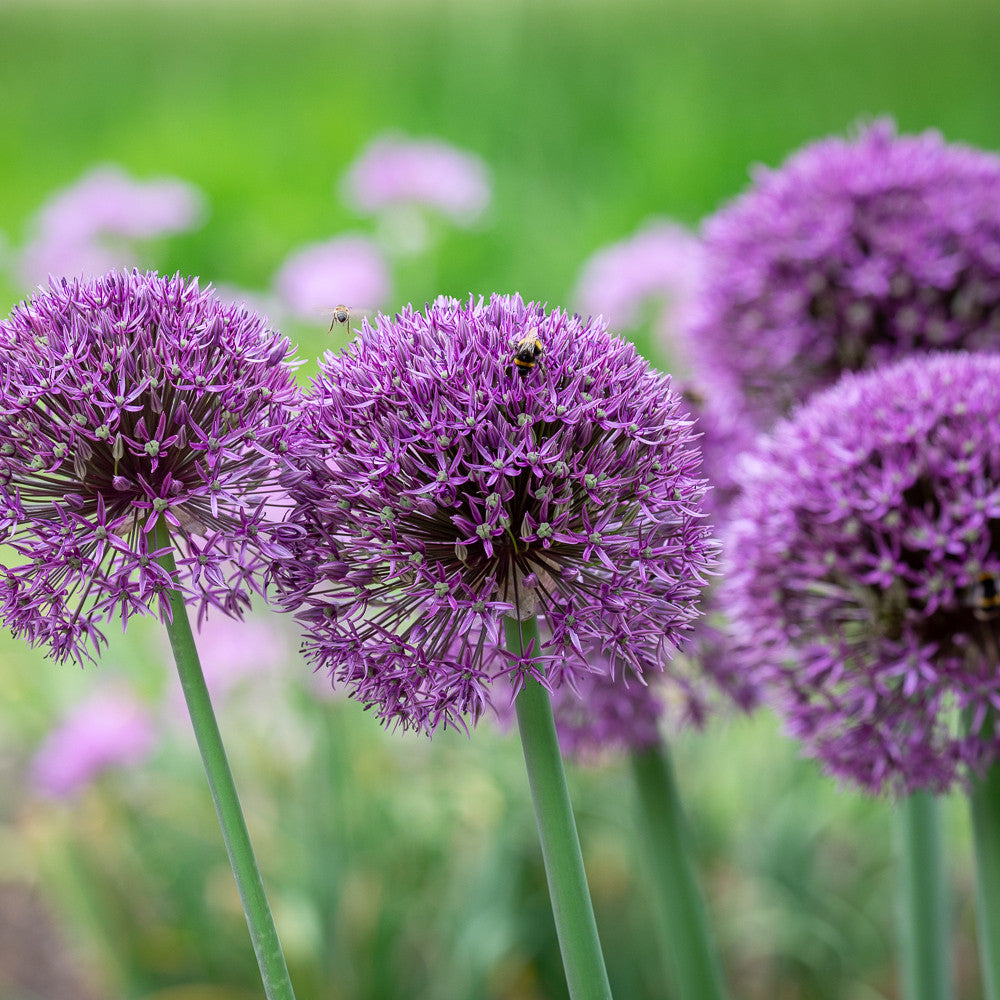
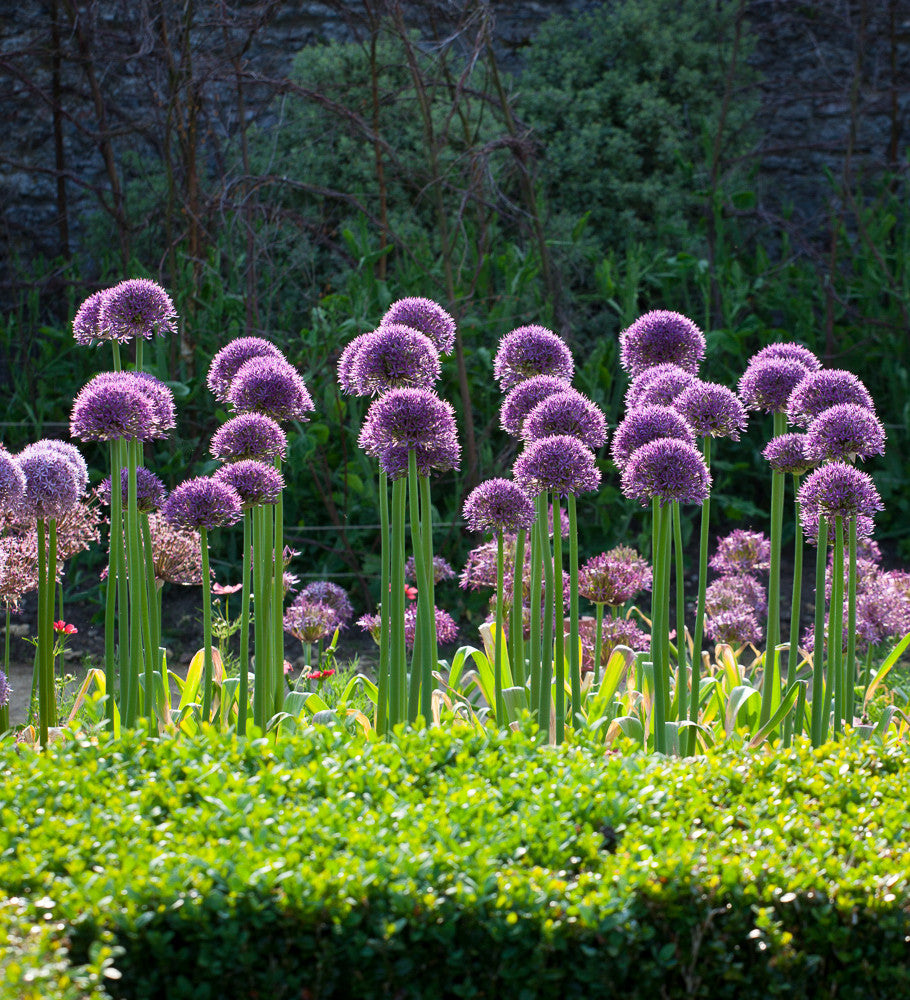
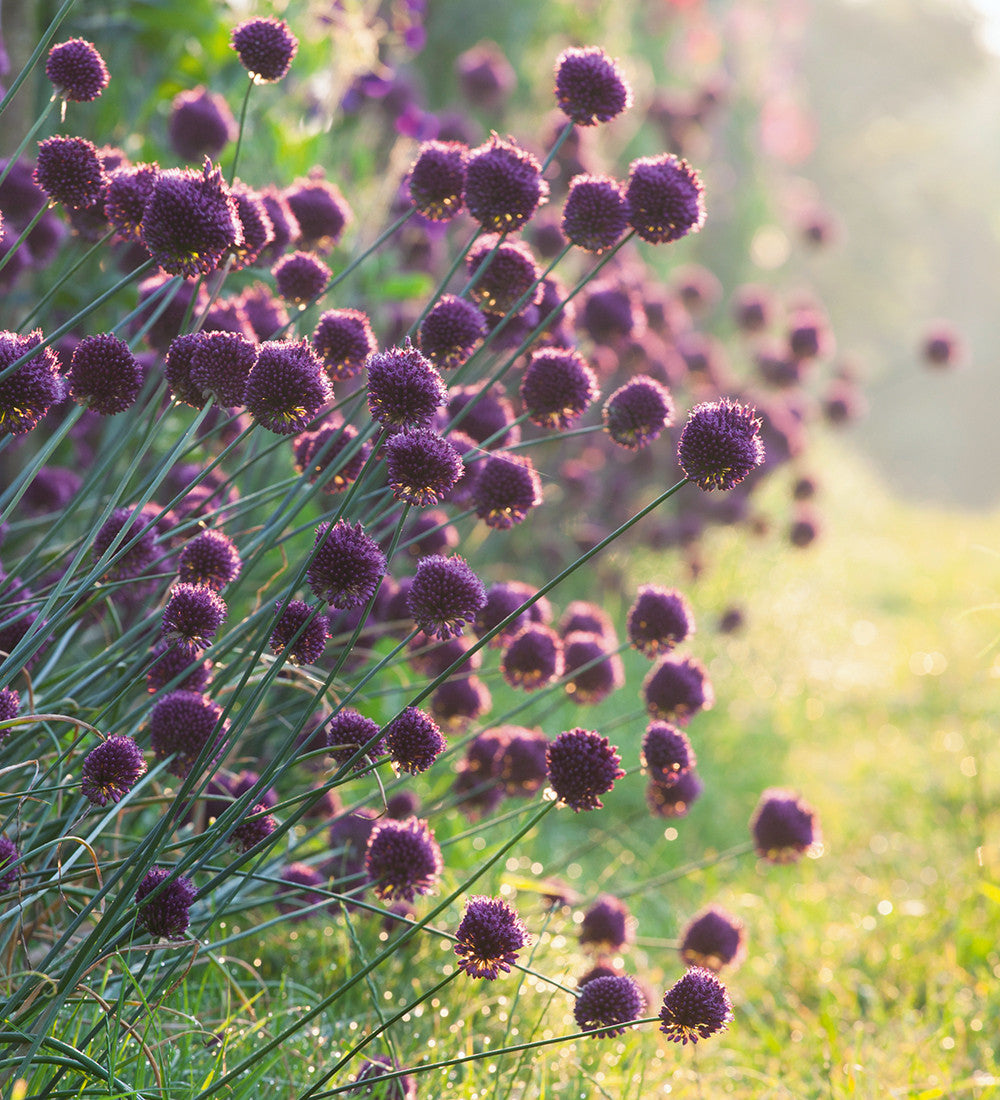
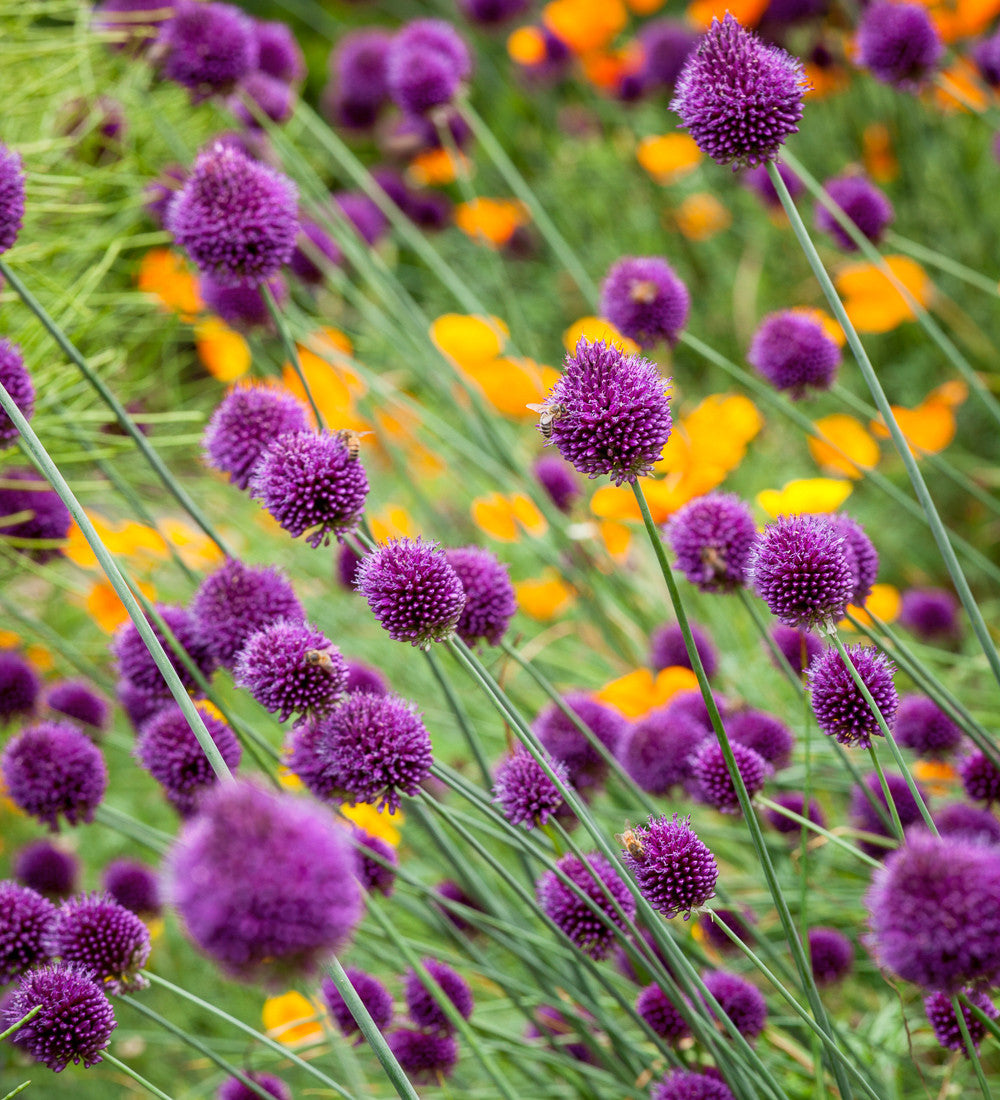
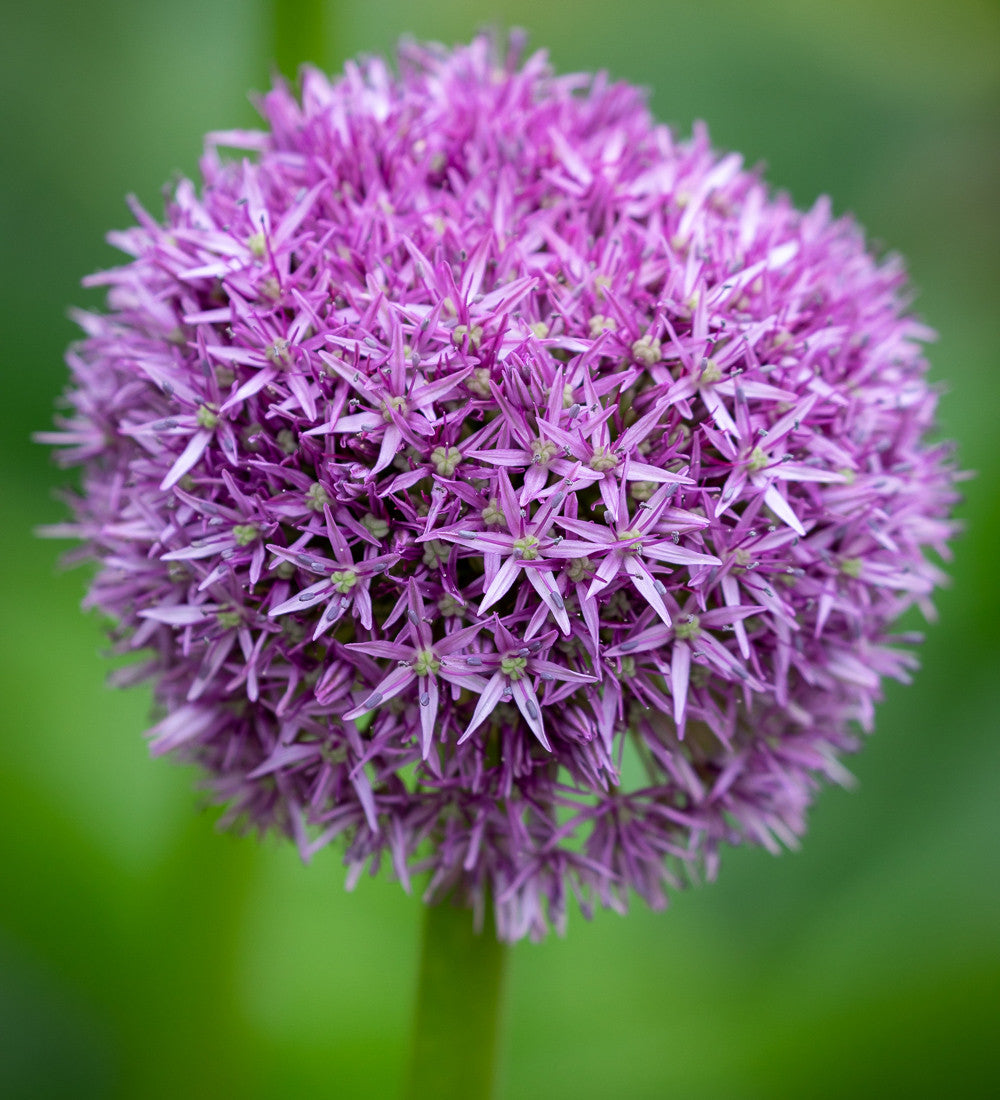
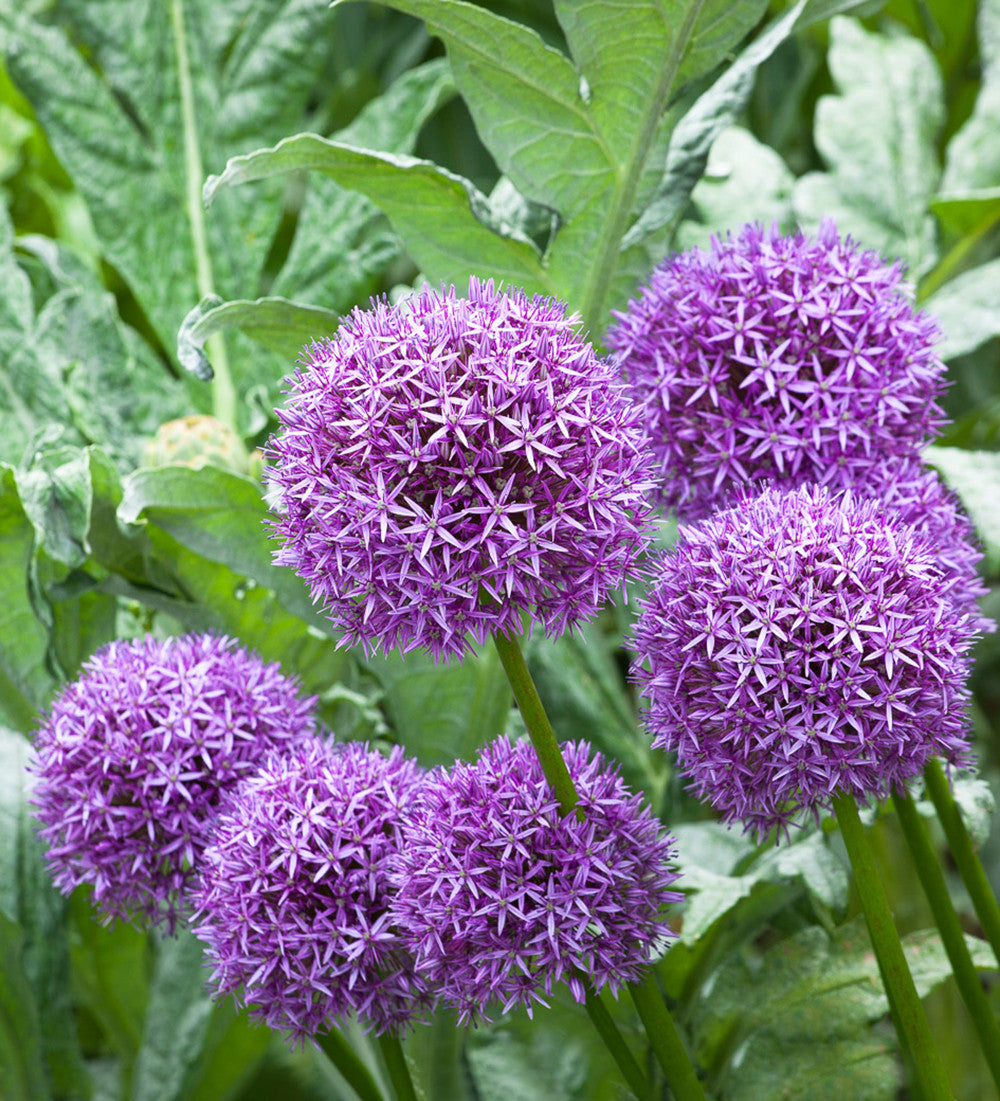
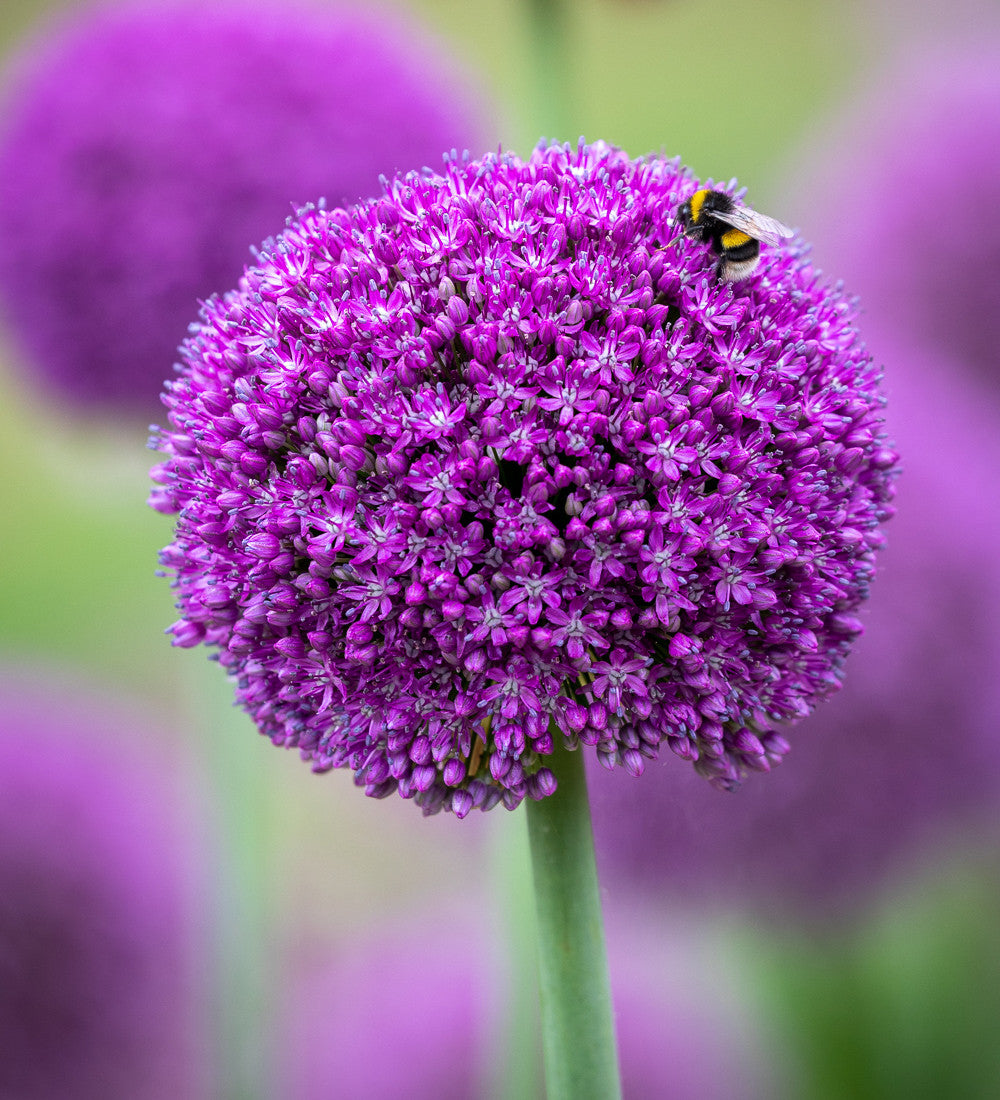
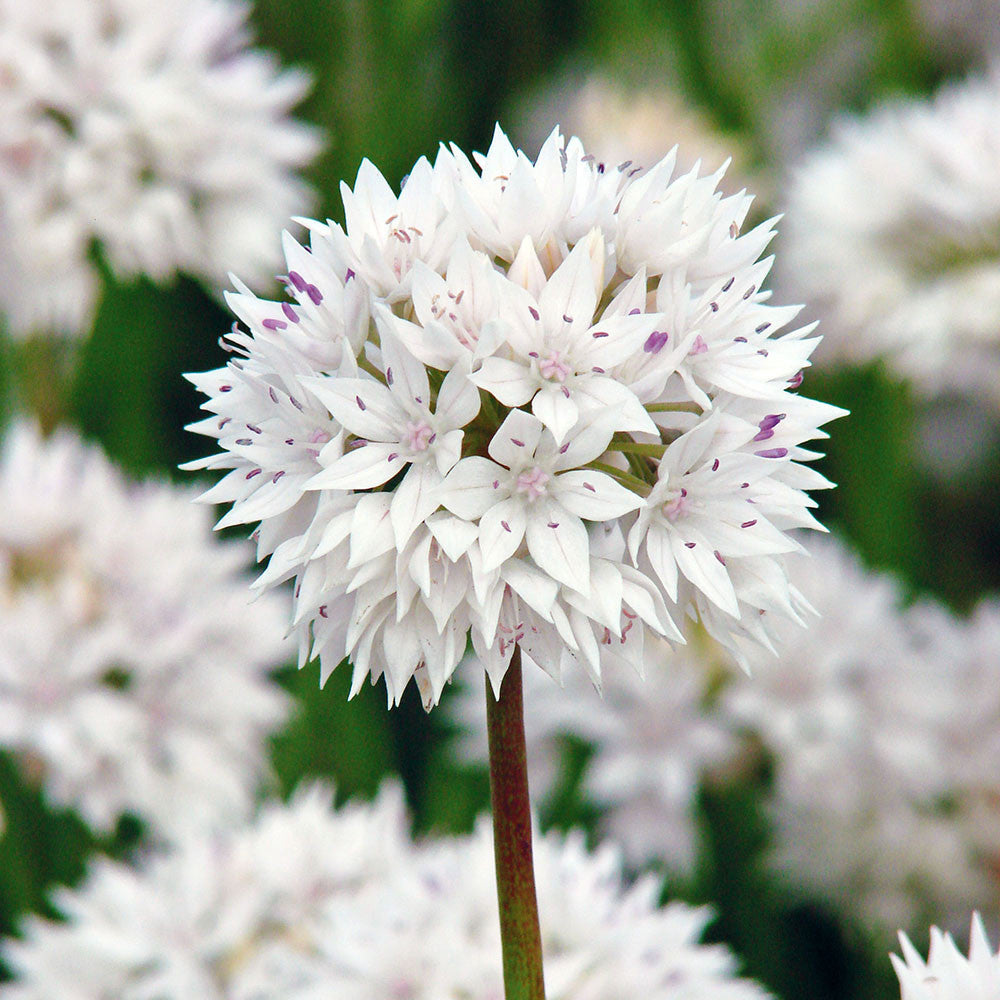
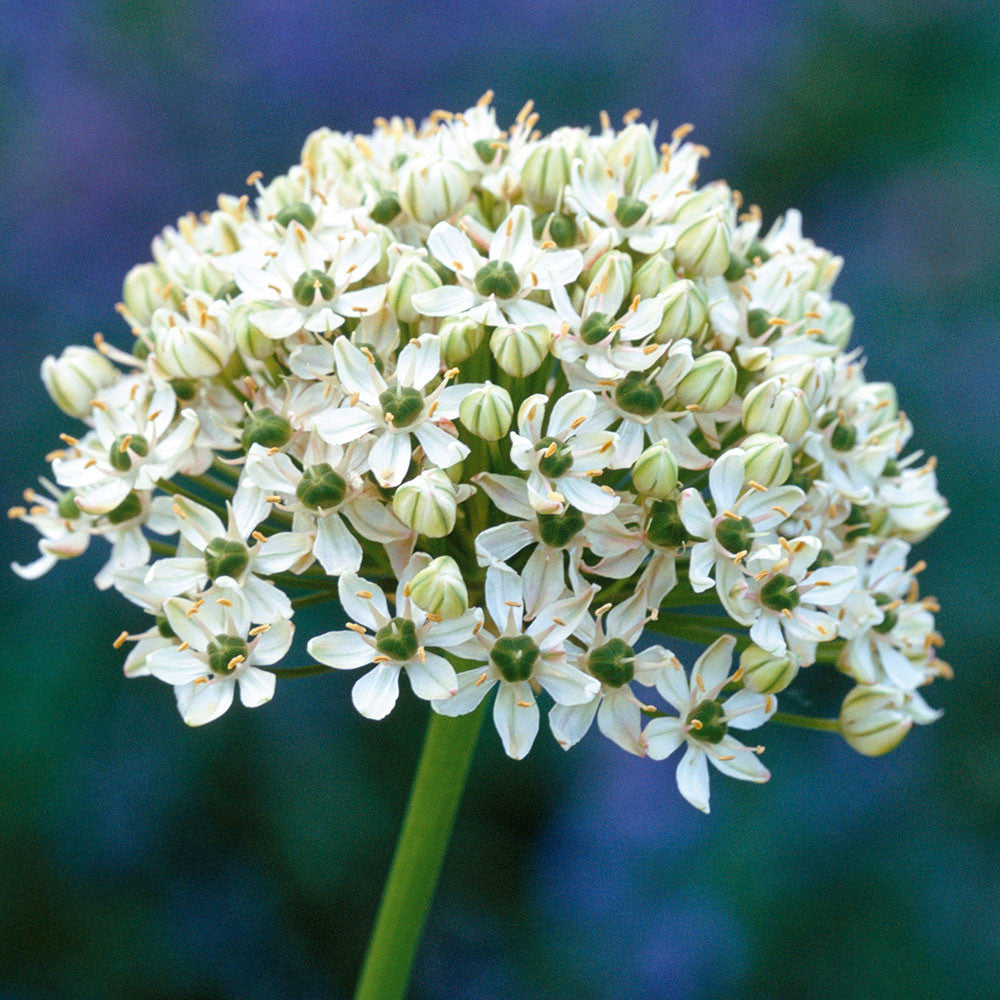
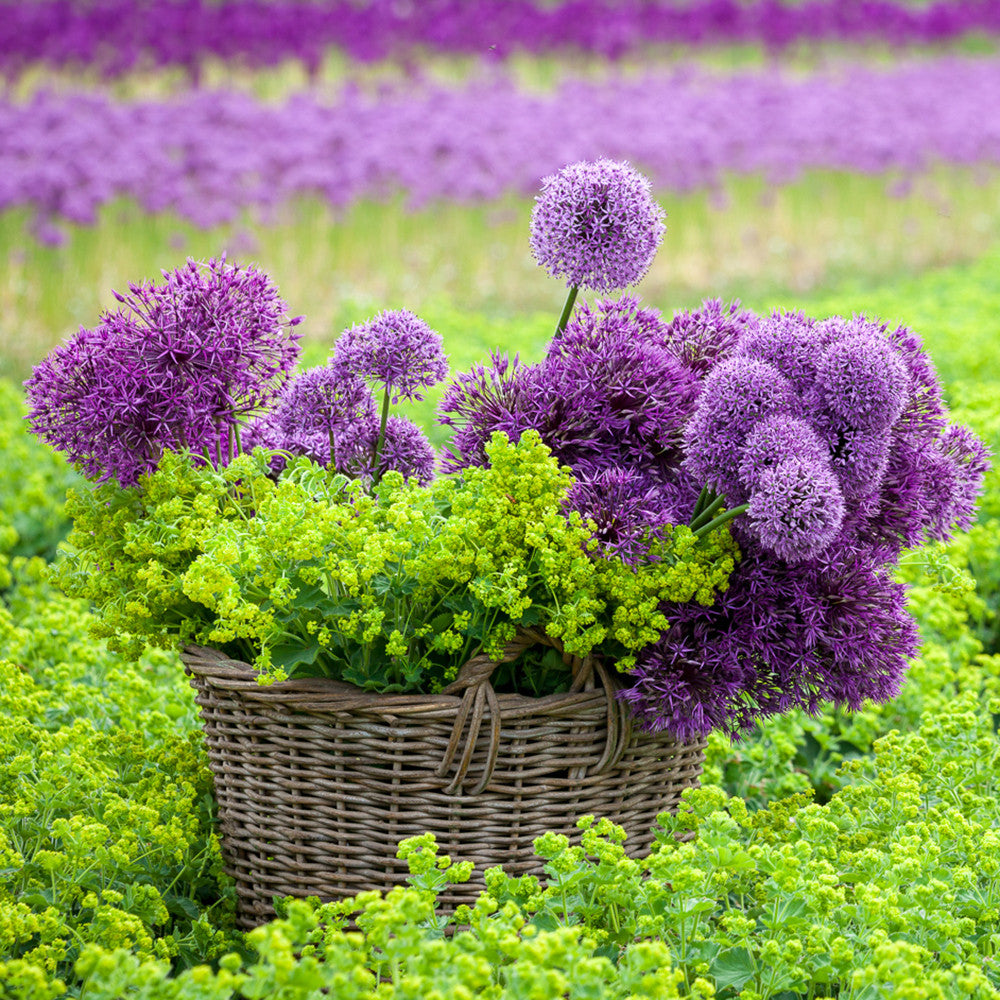
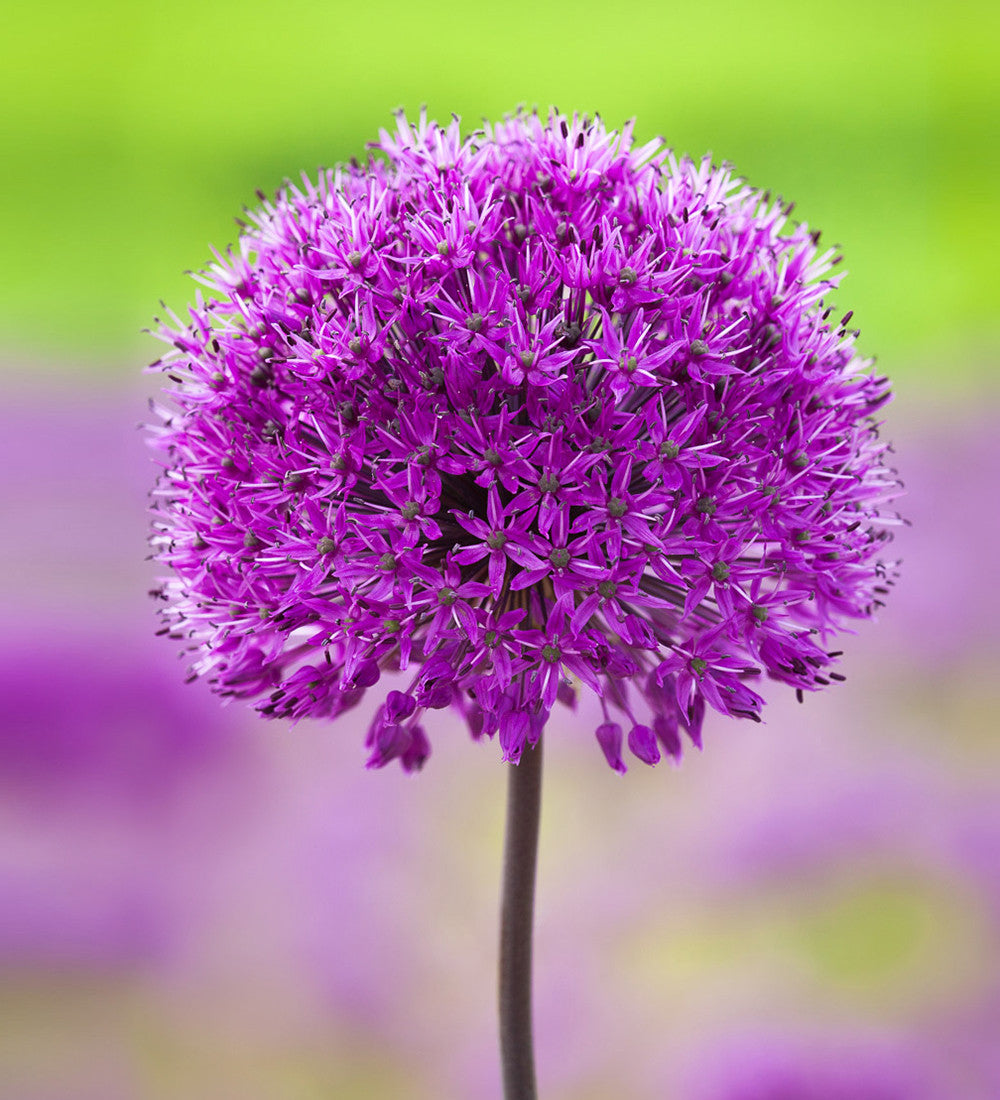
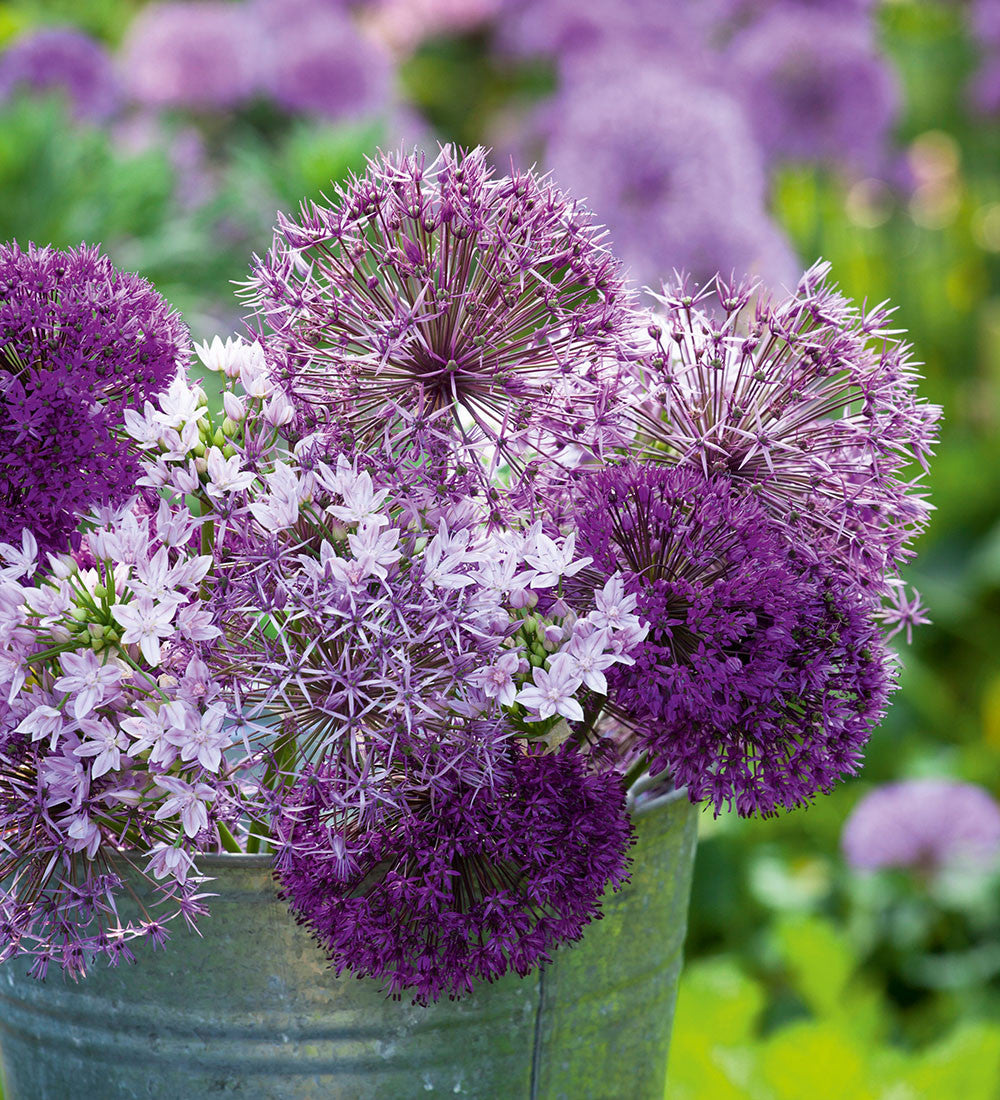
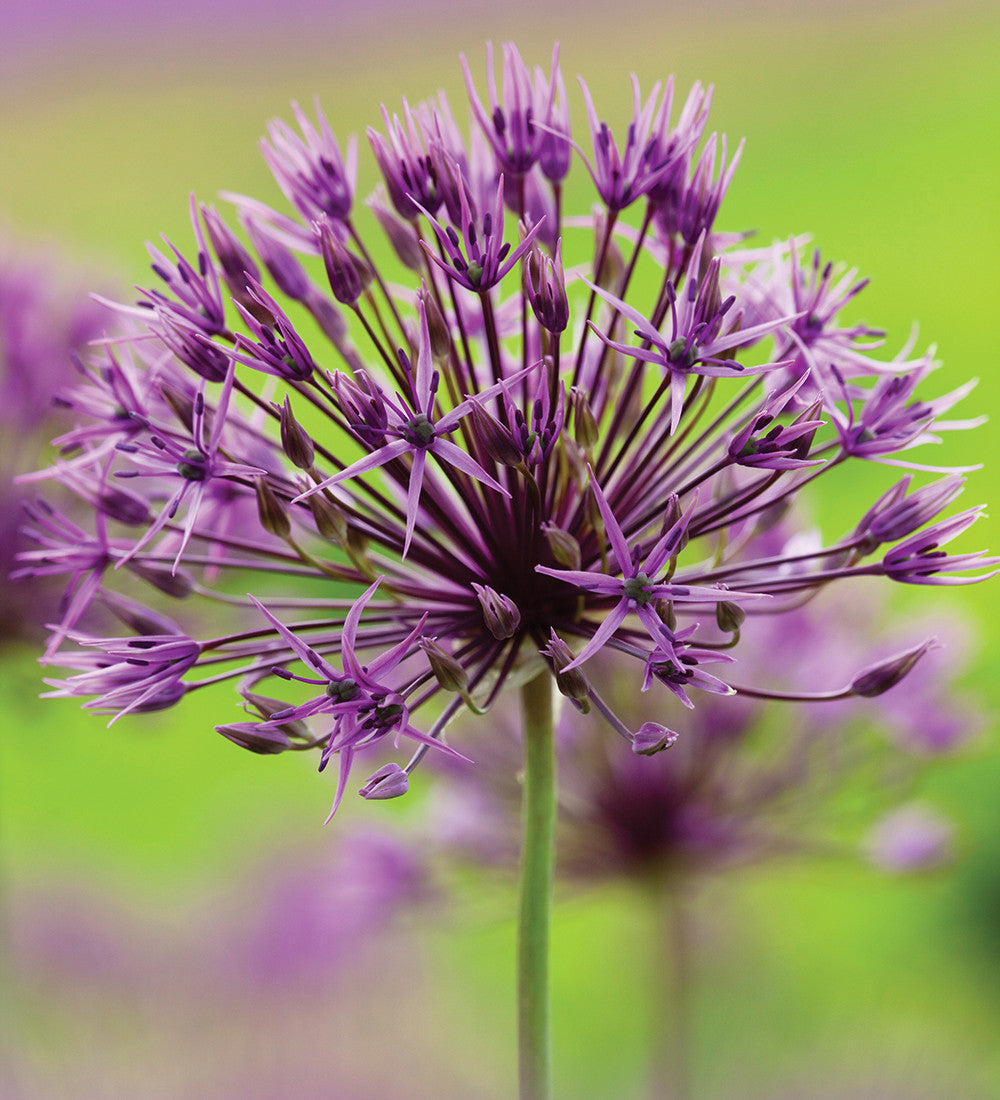
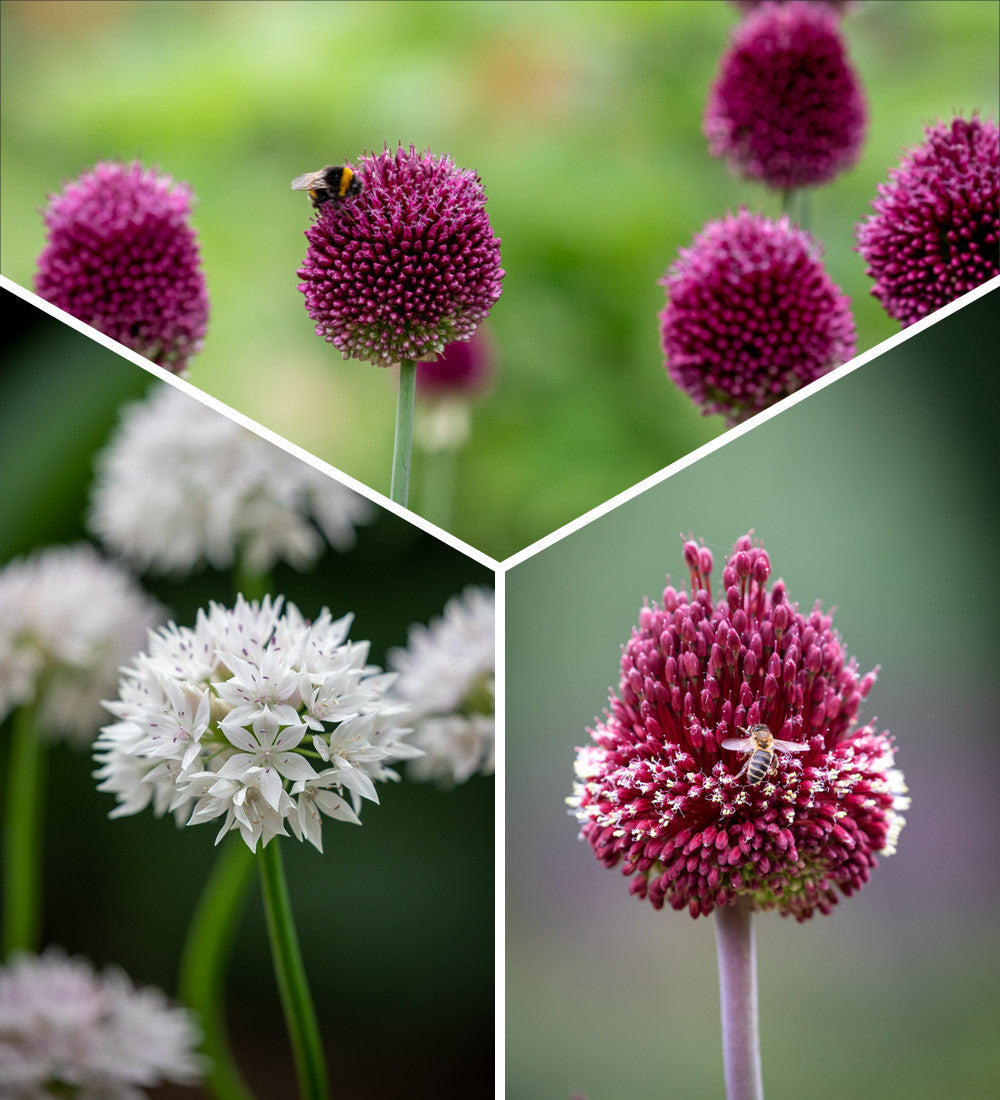
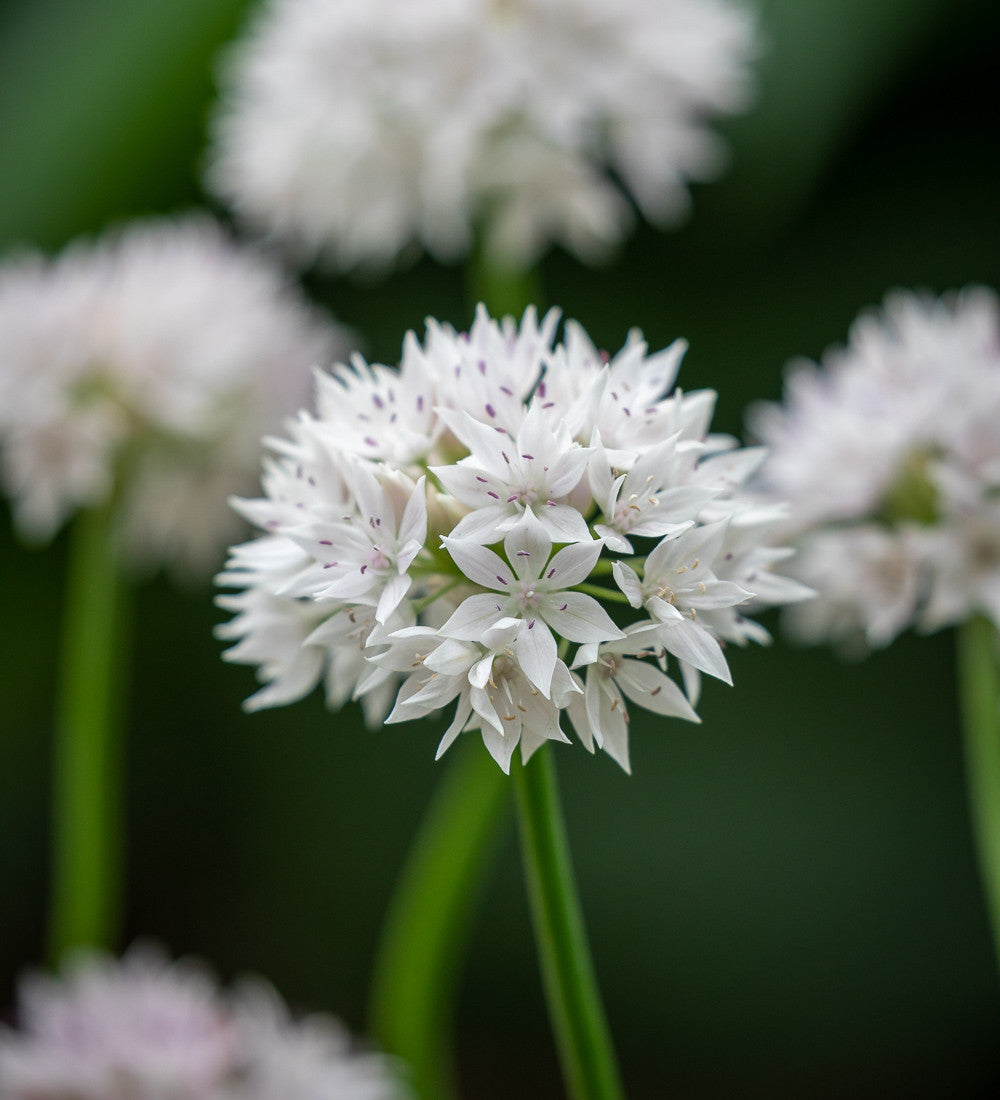
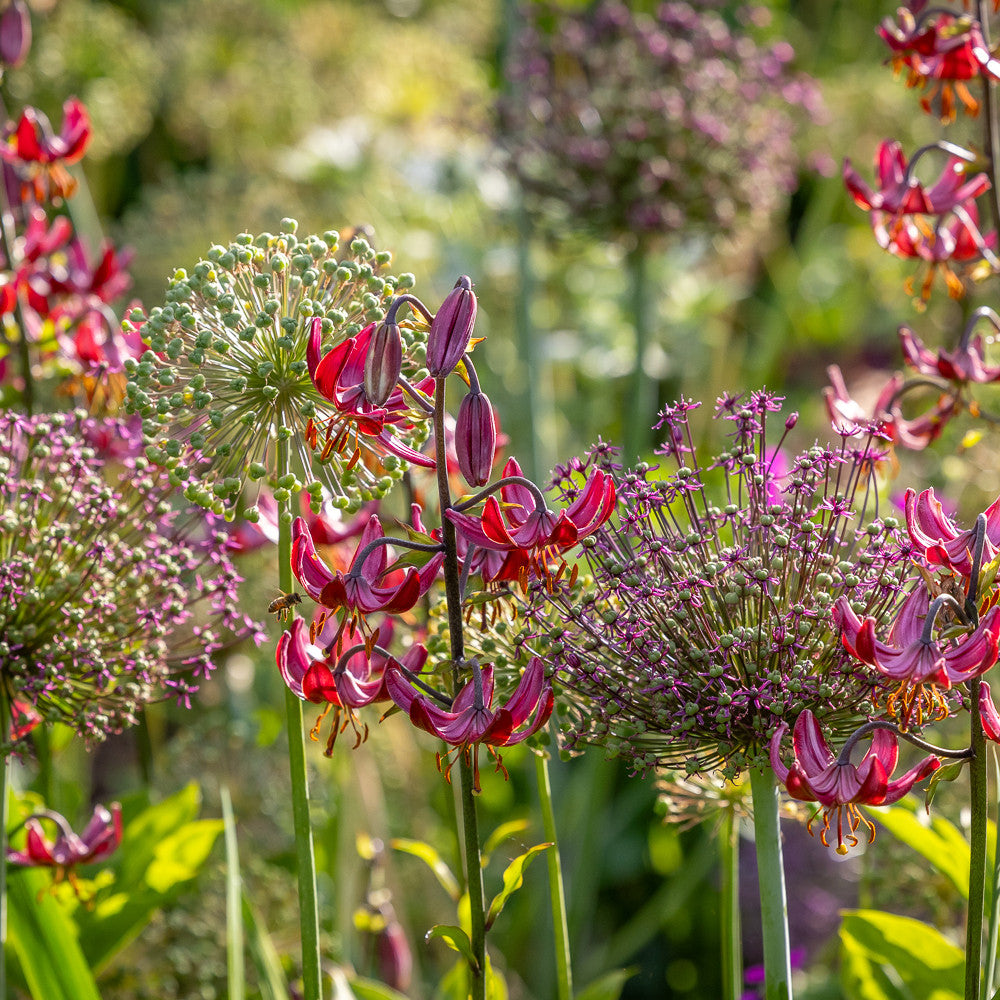
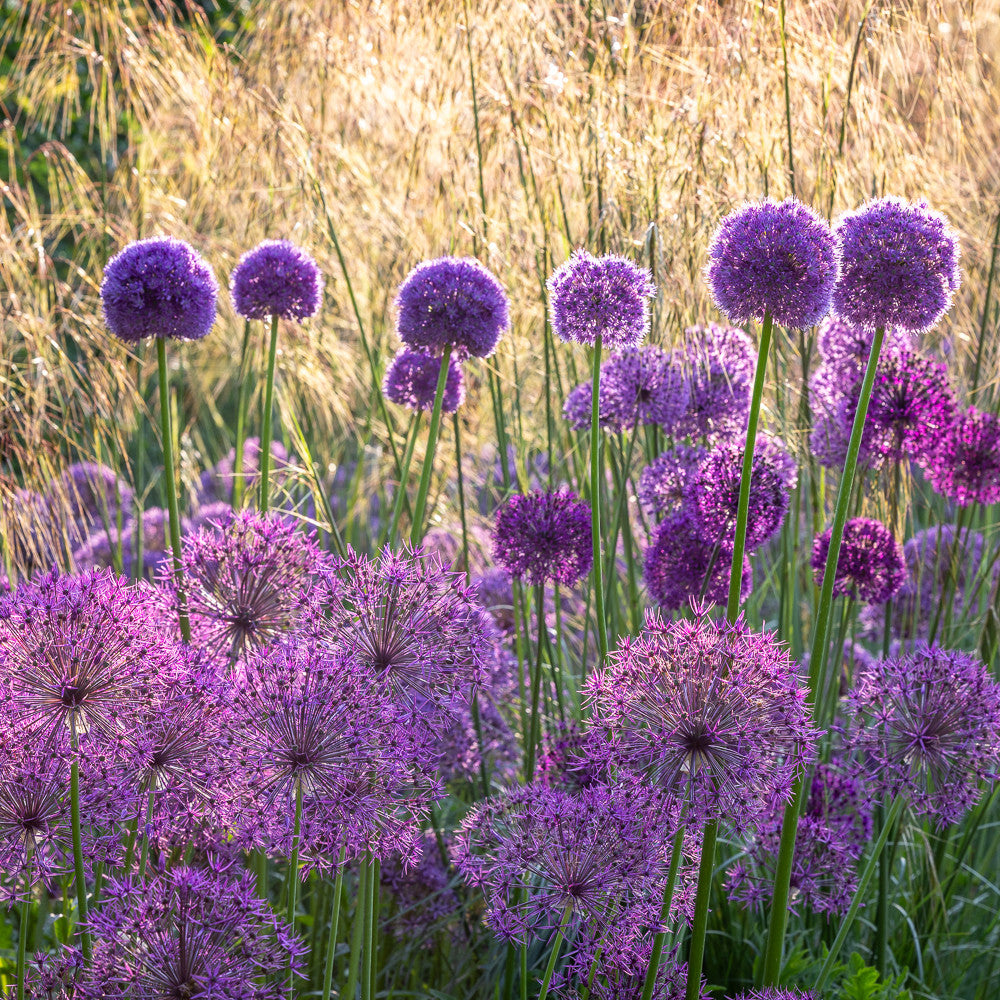
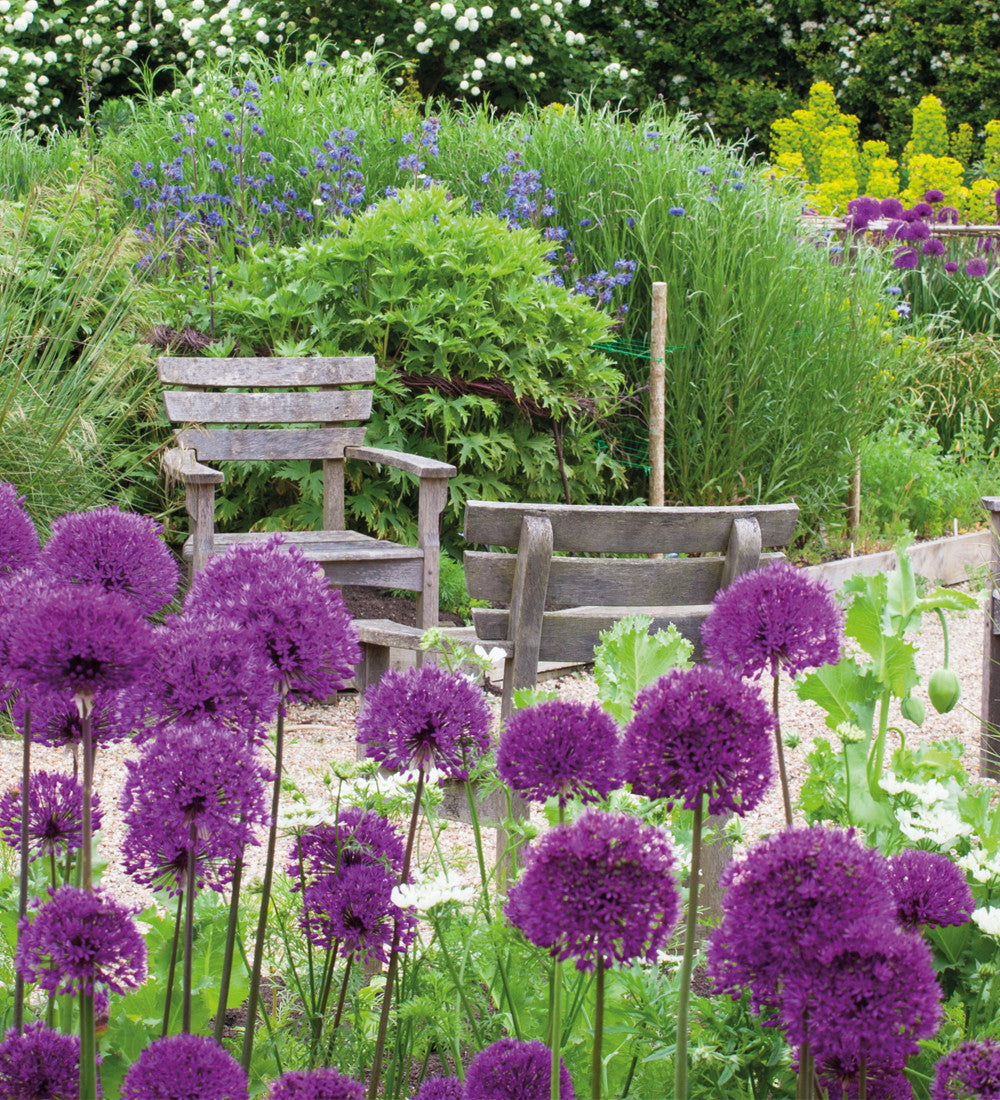
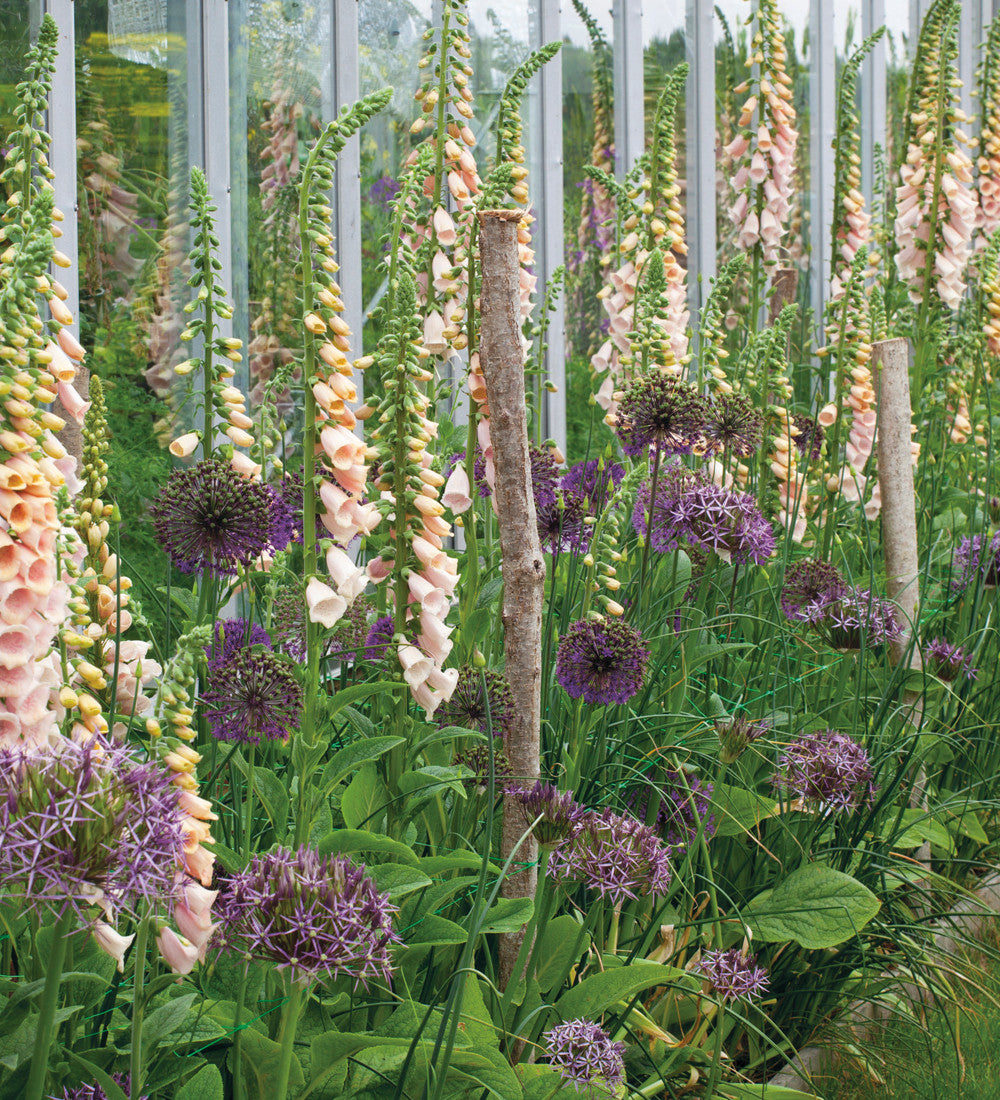
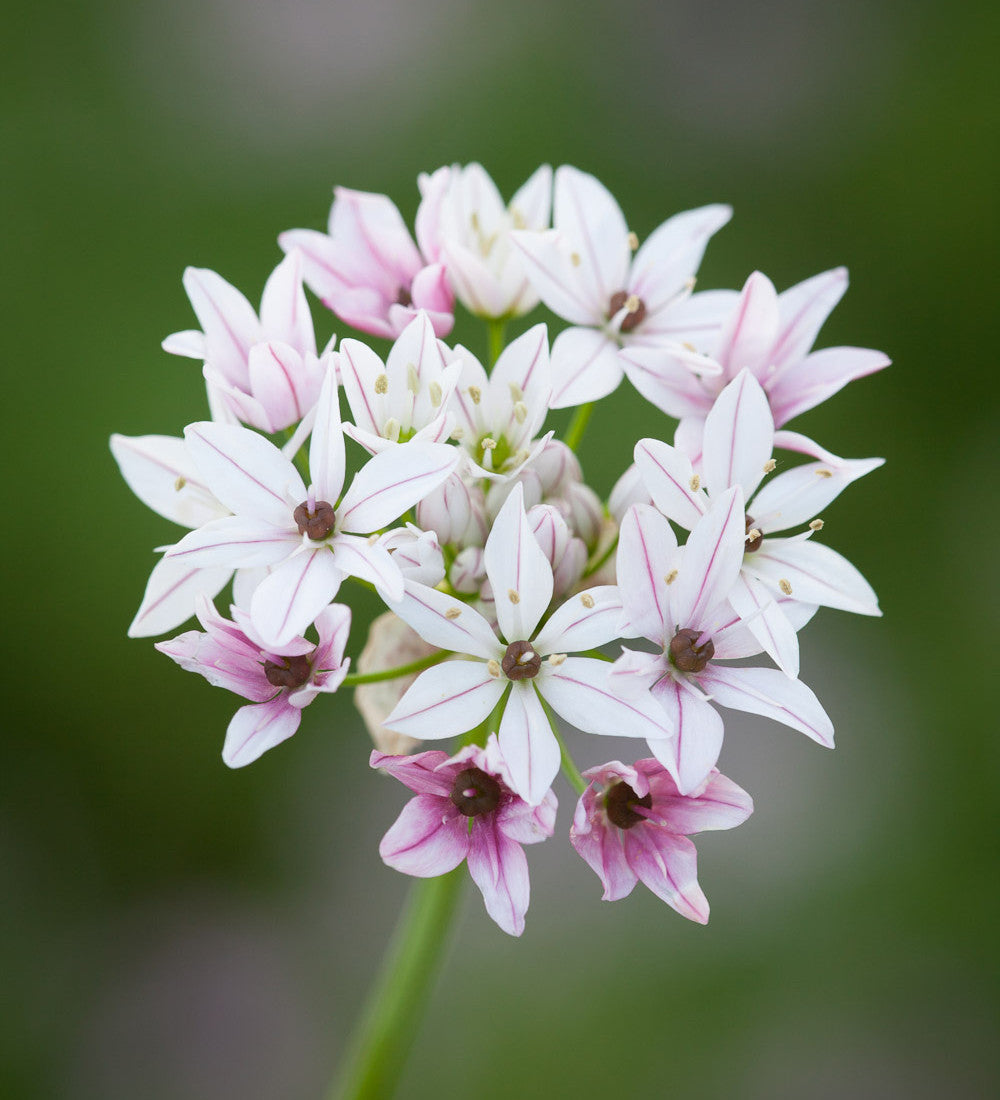
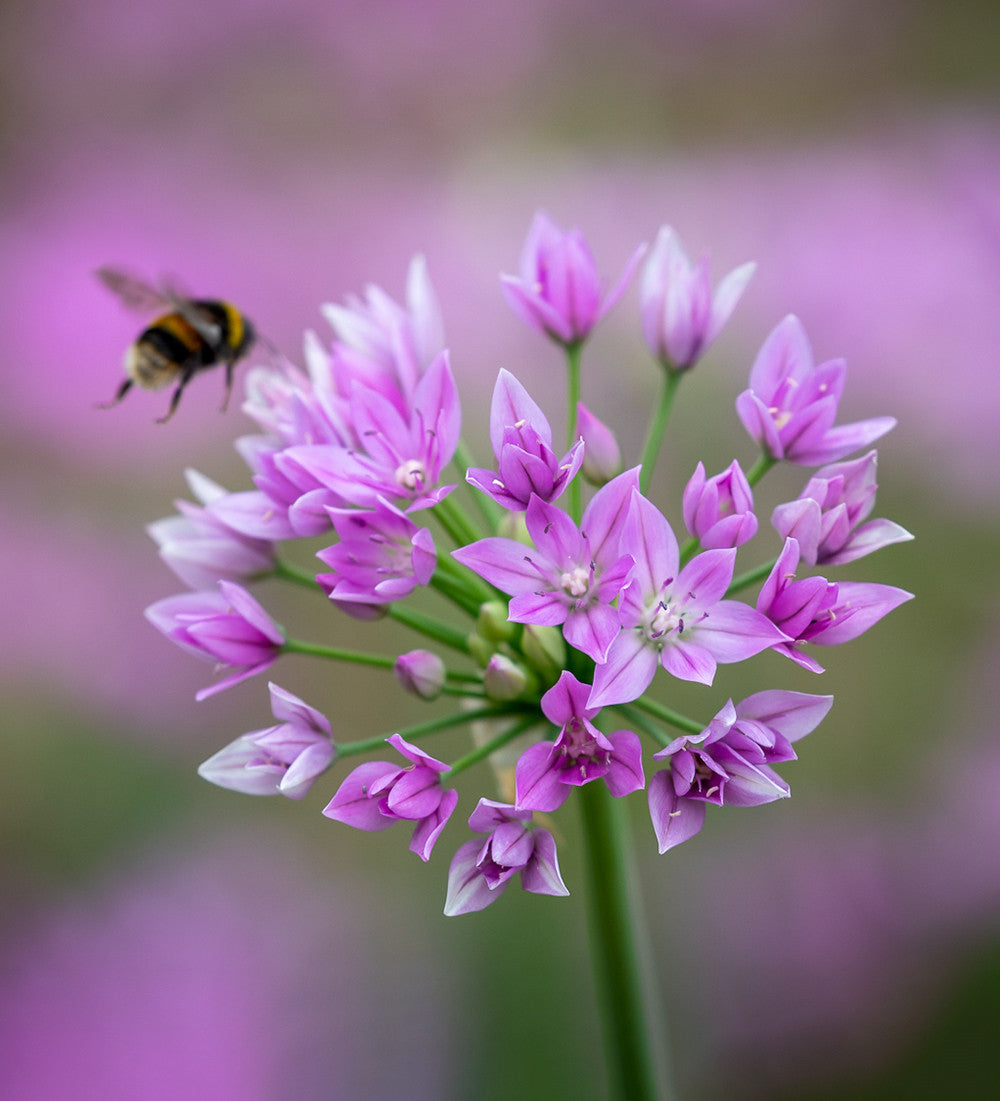
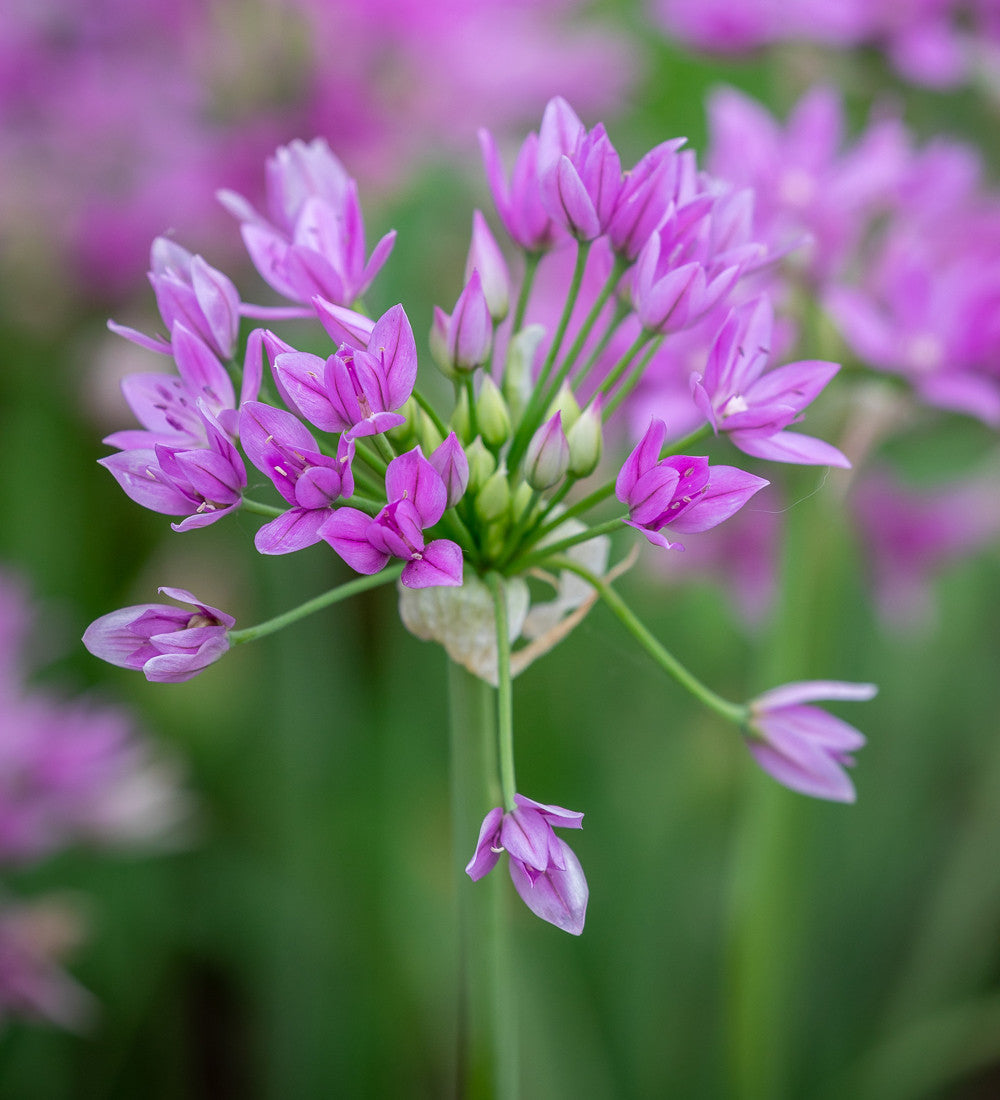
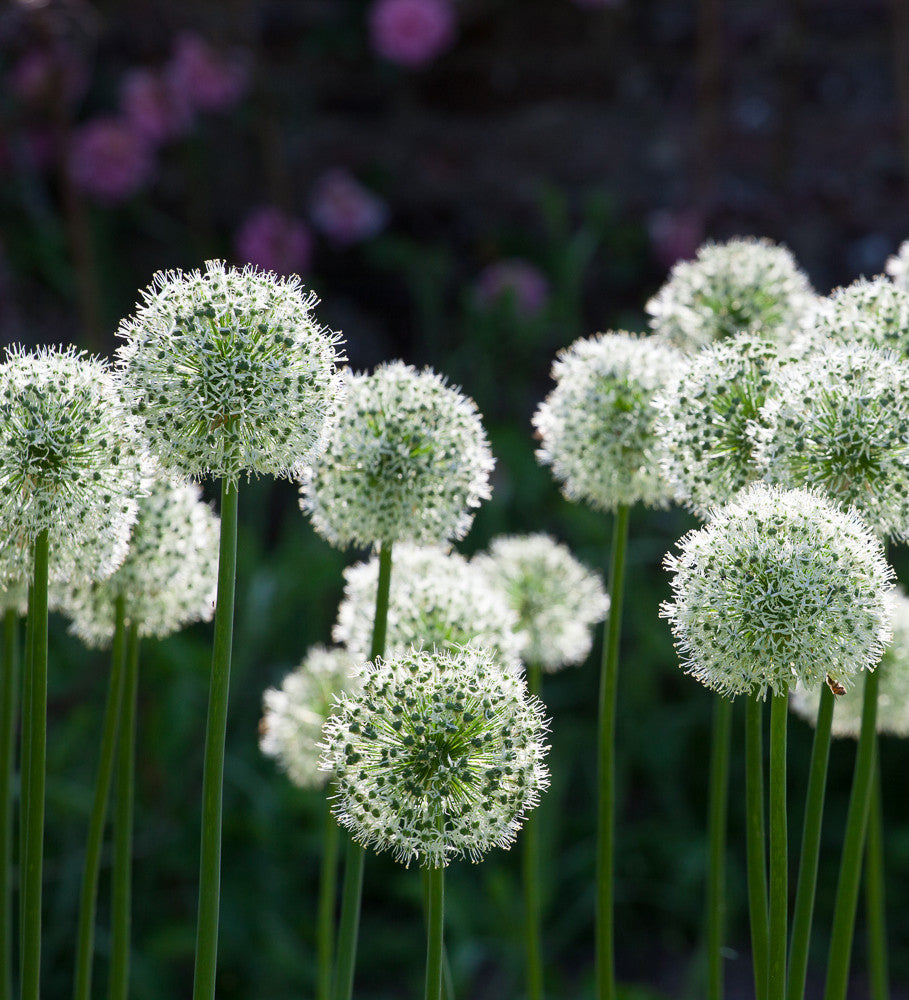
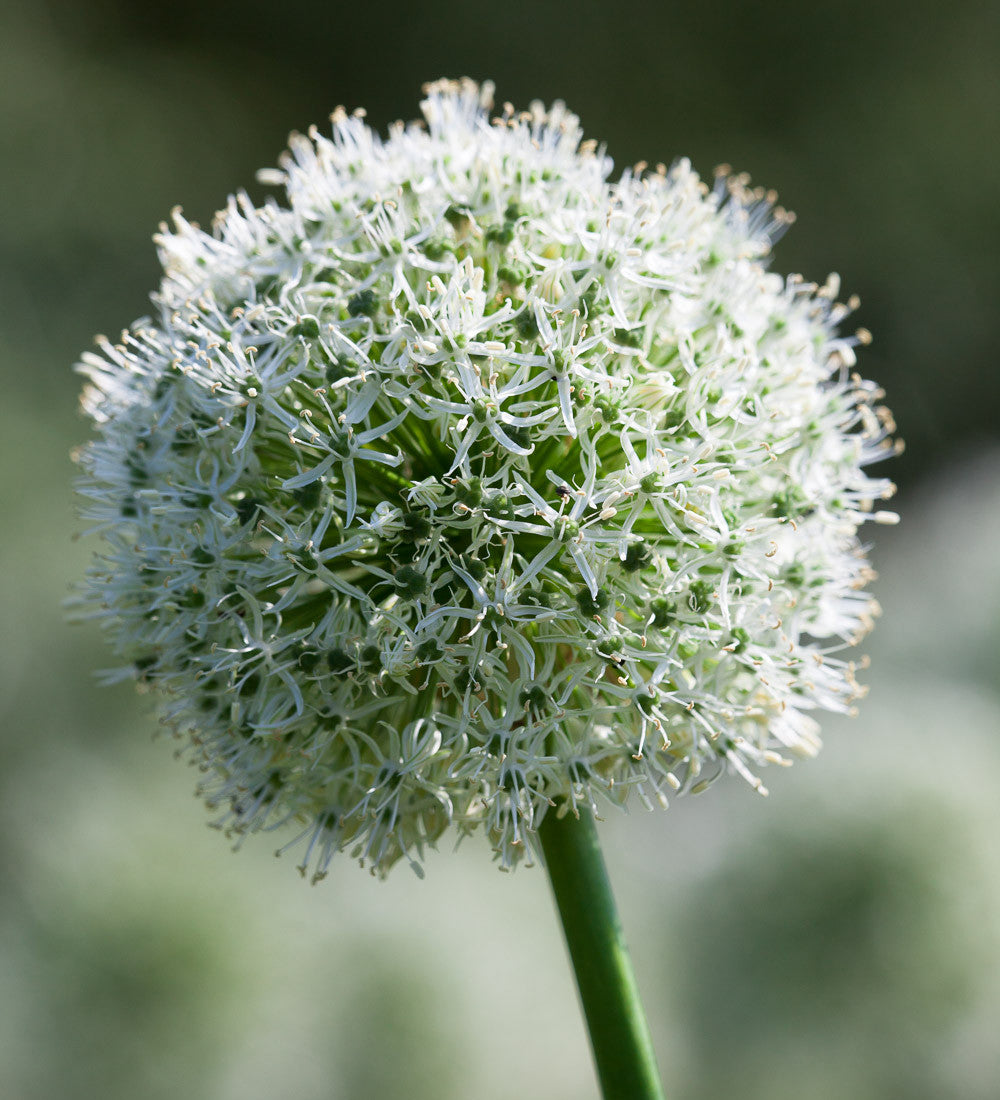
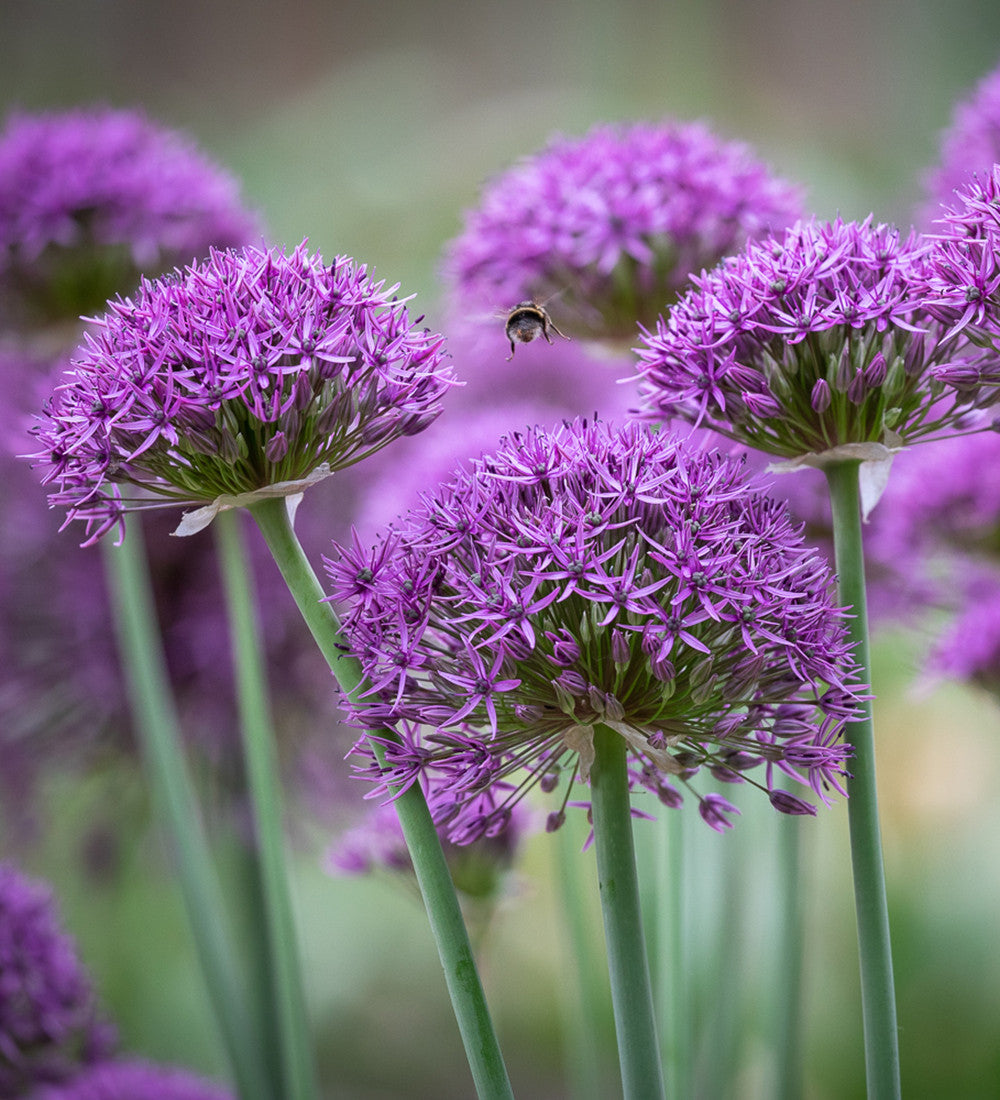
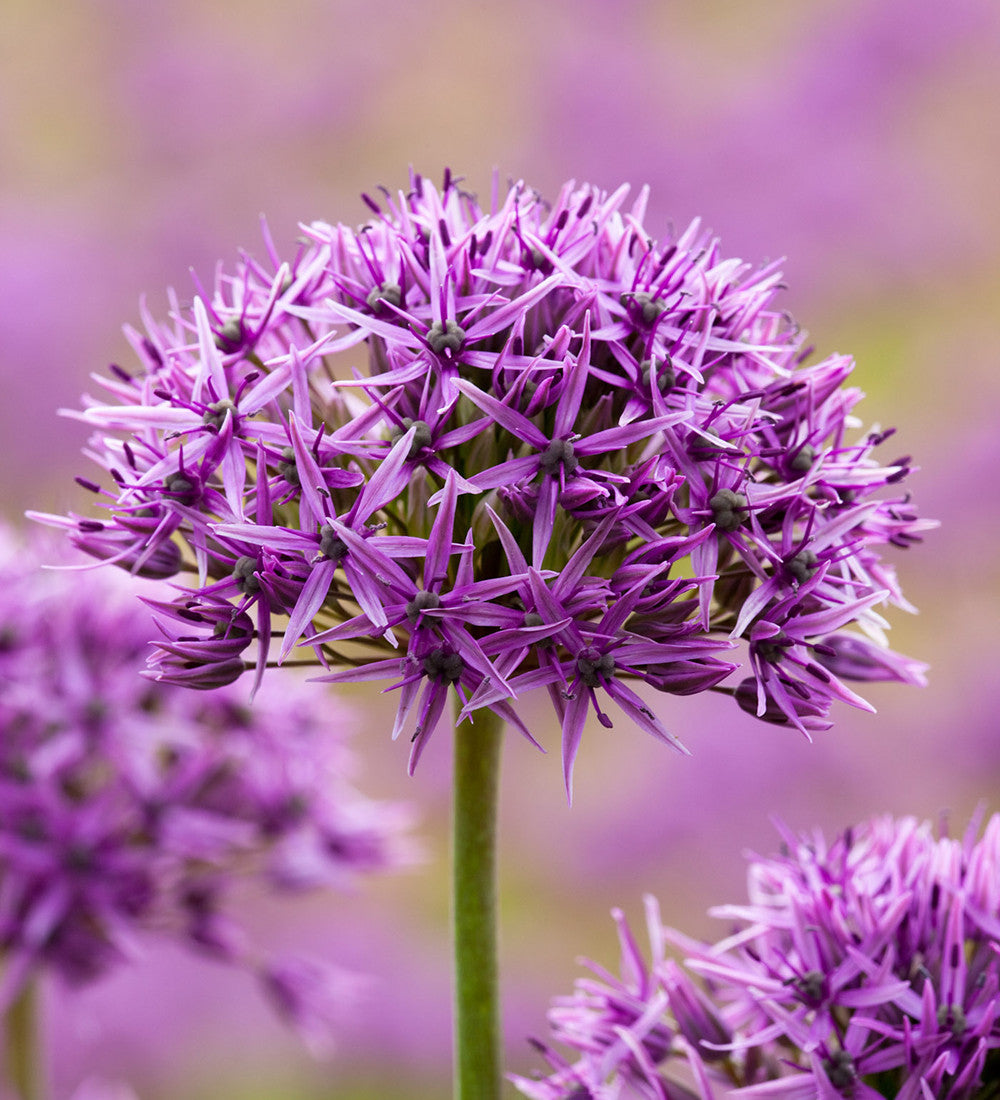
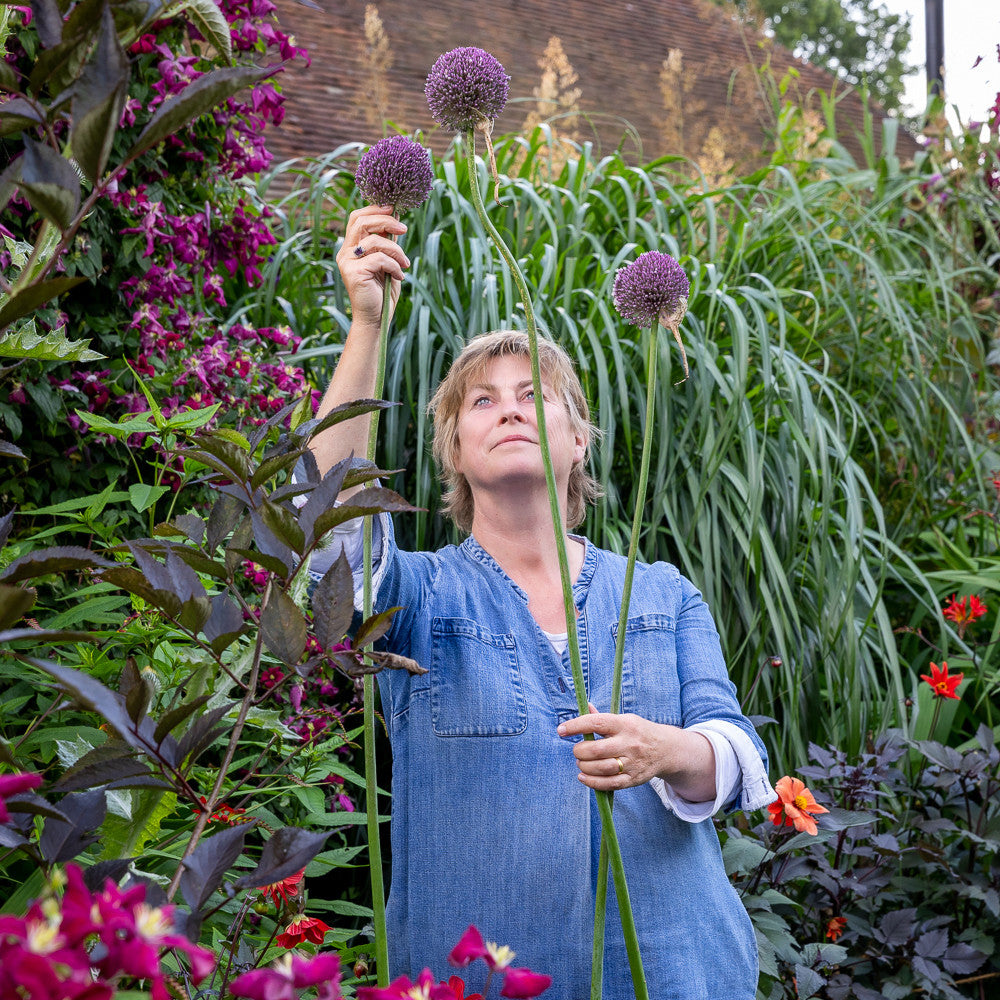
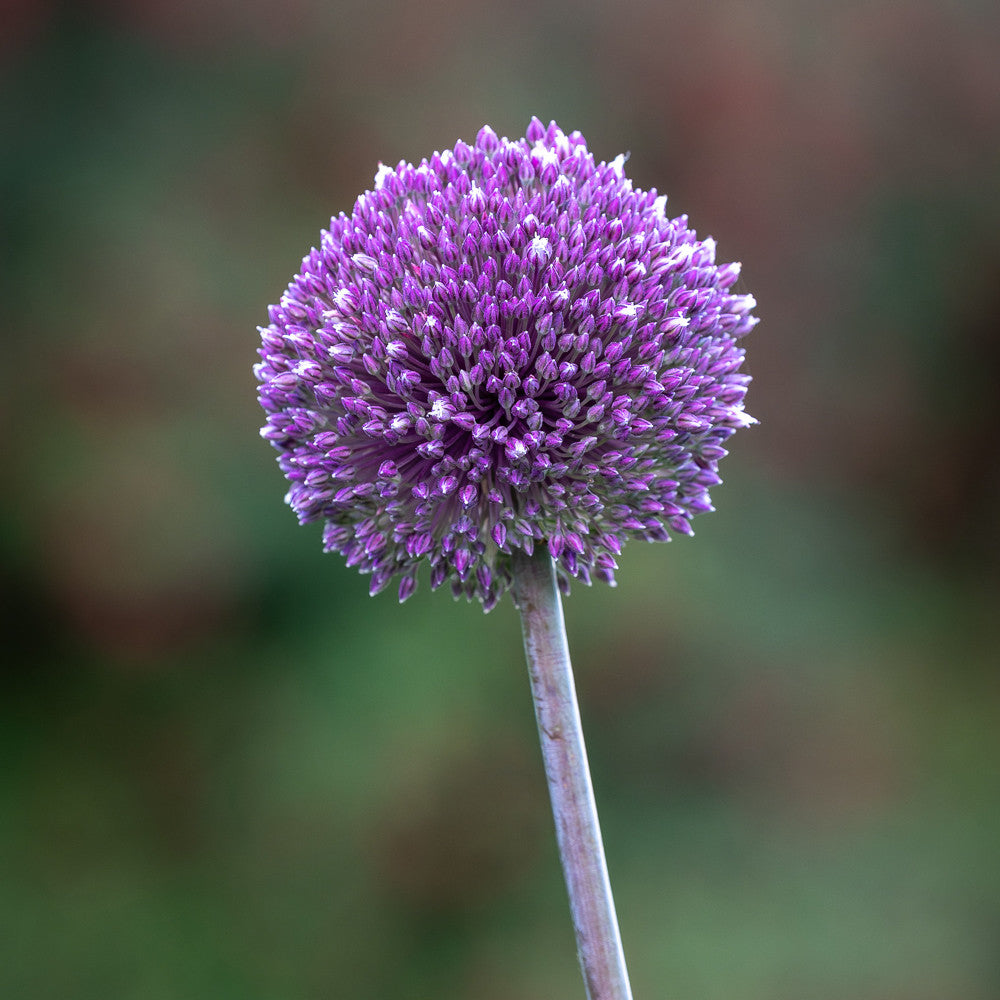
Allium bulbs are easy to grow and are incredibly long-lived. They are perfect for adding pizzazz to your garden borders, excellent for cutting as flowers and seedheads and brilliant for bringing pollinating insects into your garden. Many alliums are purple, but we also have a selection of magnificent white alliums that look wonderful mixed in with the purple forms. Our range has something for everyone from statuesque alliums with giant pompoms heads to more delicate varieties suitable for naturalising in grass or growing in pots. We also have a range of exclusive collections featuring our favourite combinations of alliums that you can grow together in your borders. Allium petals are edible, so make an excellent choice for scattering on salads for a hit of colour and flavour. We use the more delicate types like cowanii and unifolium most often at Perch Hill.
-
how deep do allium bulbs need to be planted?
As a general rule, make sure the hole is at least twice the depth of the bulb, and leave a gap of at least 3 times the bulb width between each bulb.
-
are alliums perennial?
Yes, alliums are perennial bulbs and will return each spring. They should in fact form clumps, and spread each year so they’re hugely rewarding and excellent value.
-
how do you dry alliums?
Pick fading seedheads and leave them somewhere cool and dry for a few months, such as a shed or cellar. I love to dry my seedheads and then spray paint them silver to use as Christmas decorations.
-
do alliums grow in shade?
Most alliums need full sun to grow strong and flower well. Nectaroscordum siculum (Allium bulgaricum) will take some shade.
-
can I divide alliums?
Over a few years, allium bulbs can clump up by producing offsets, and a drift of alliums can become congested. When this happens, thin them out. When they have finished flowering, lift and divide them. Replant bulbs elsewhere in the garden, or share with a friend.