Hydrangeas 19
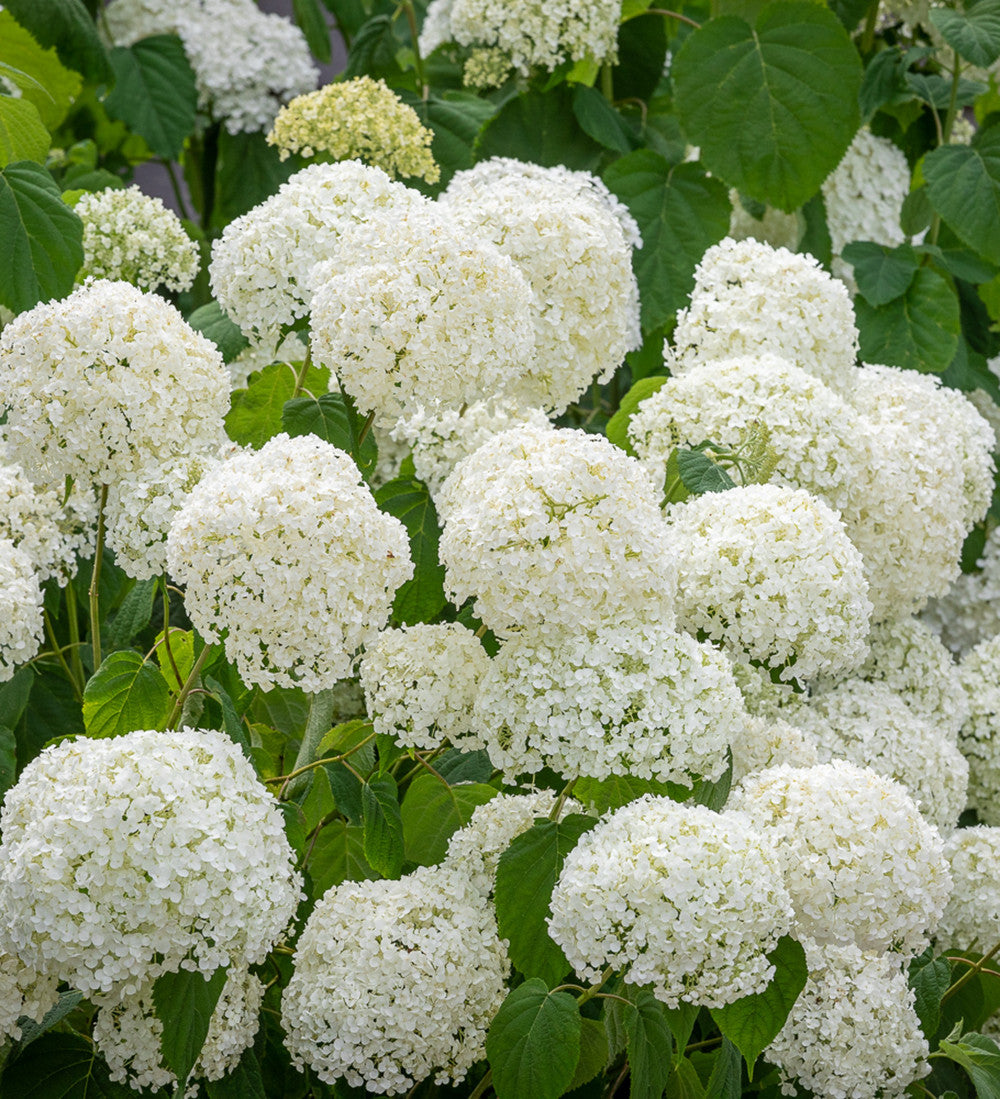
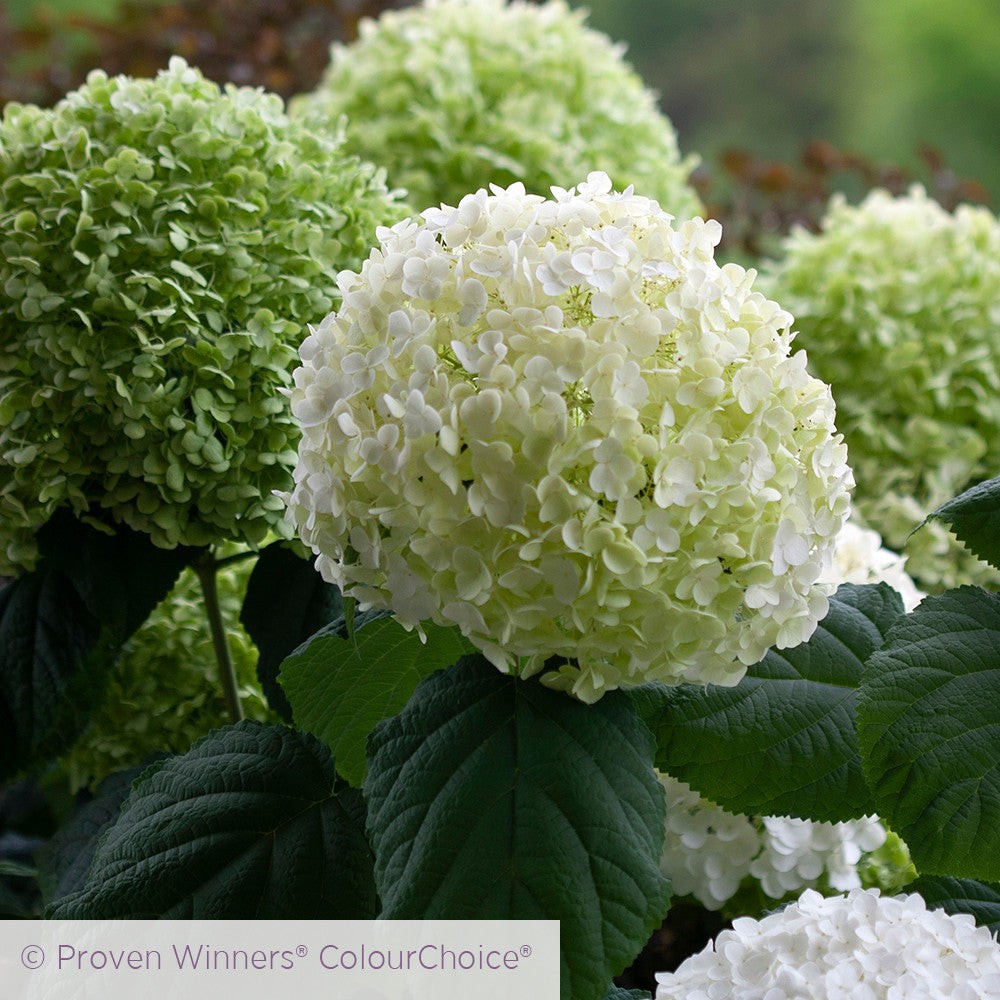
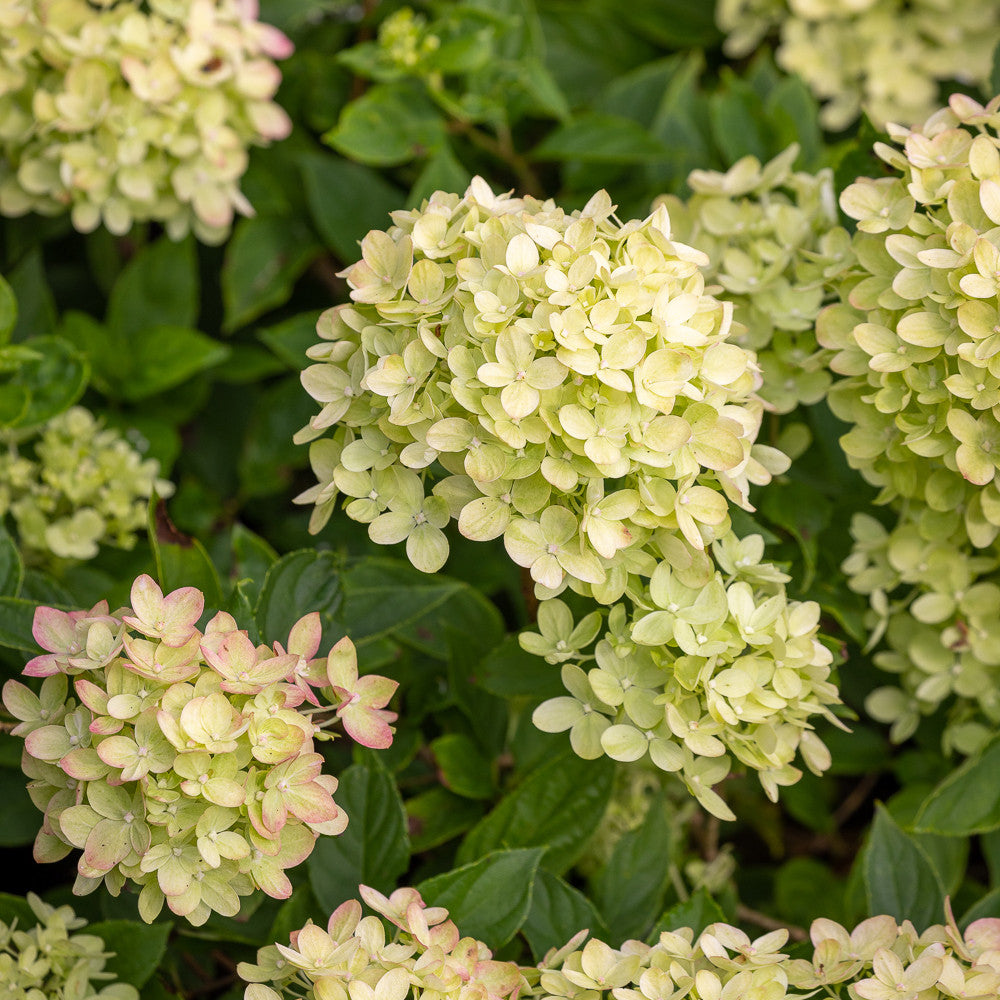
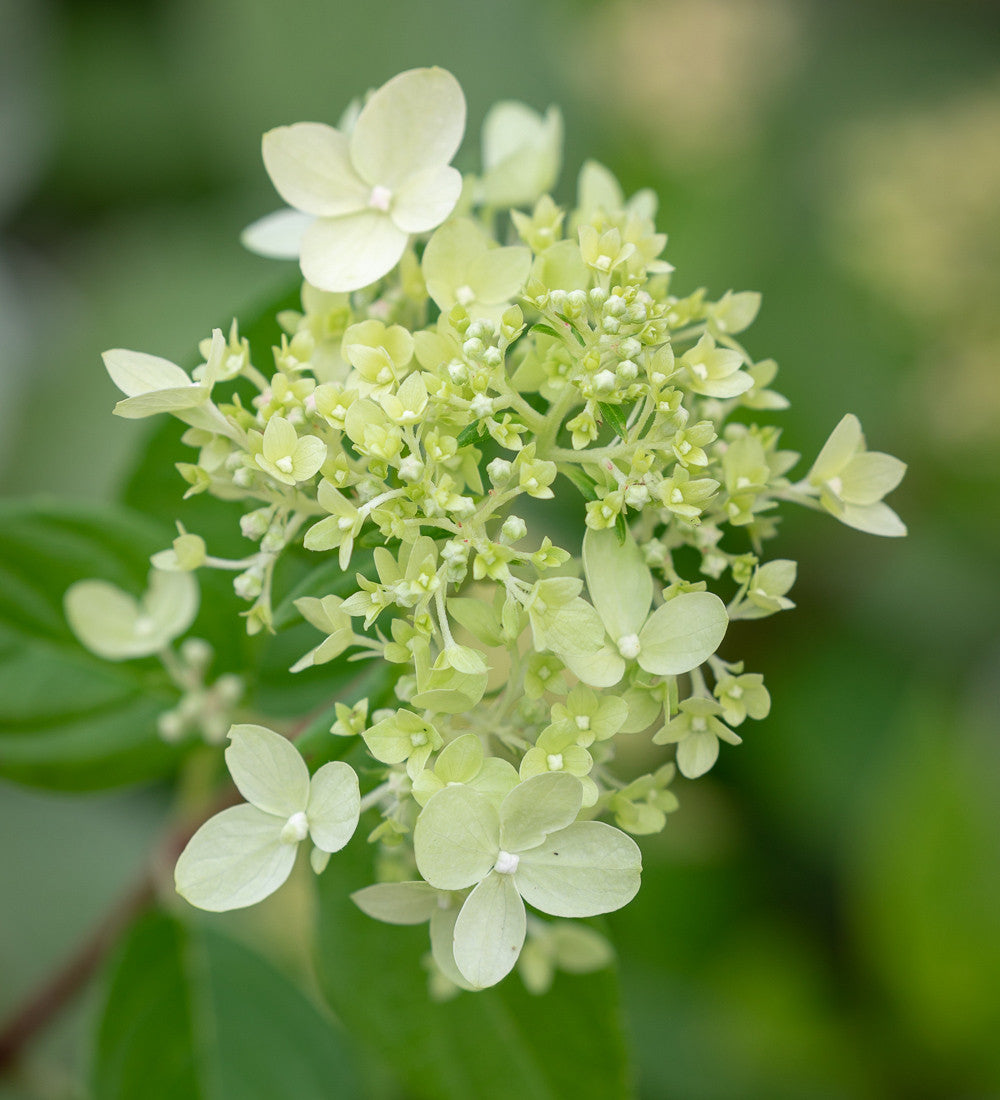
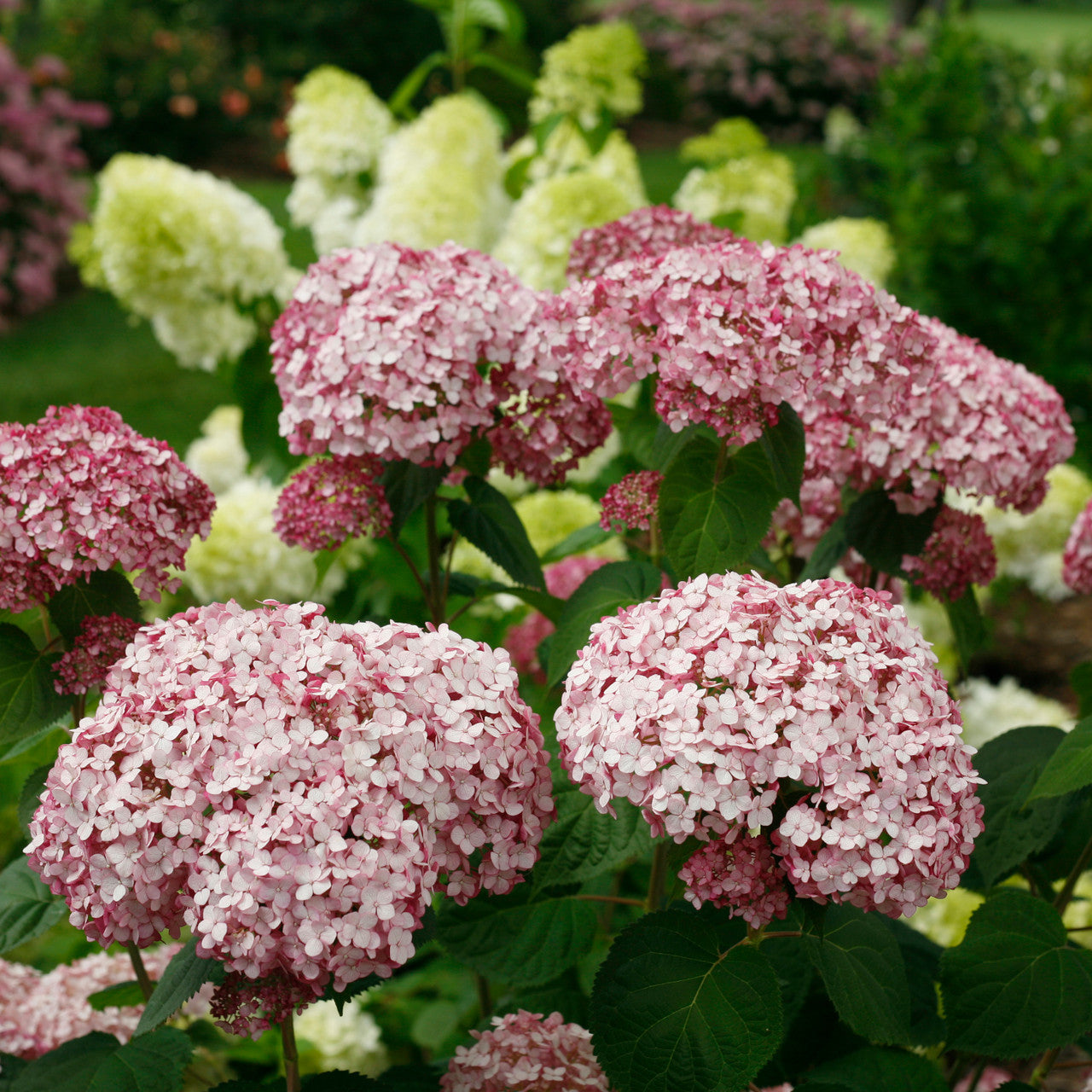
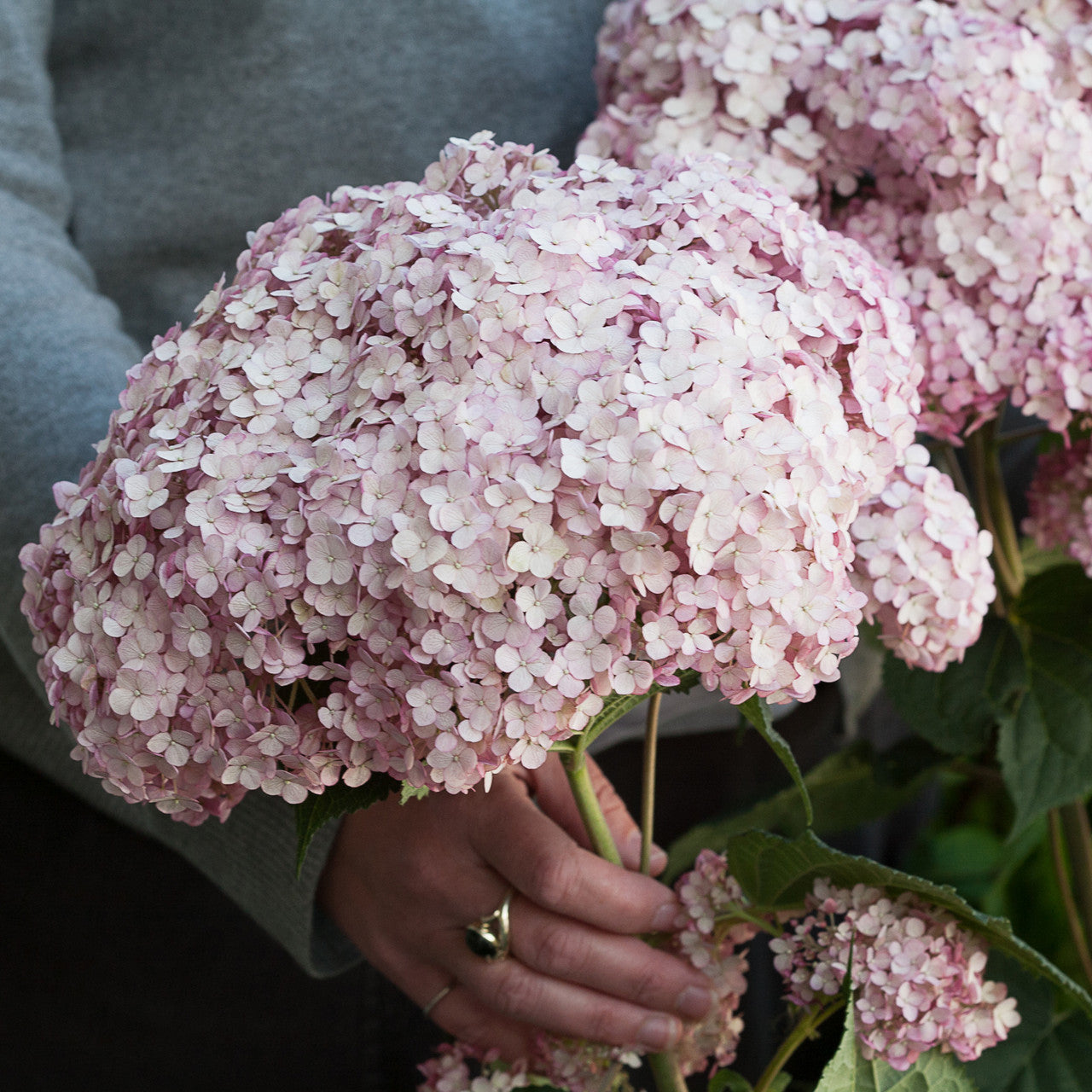
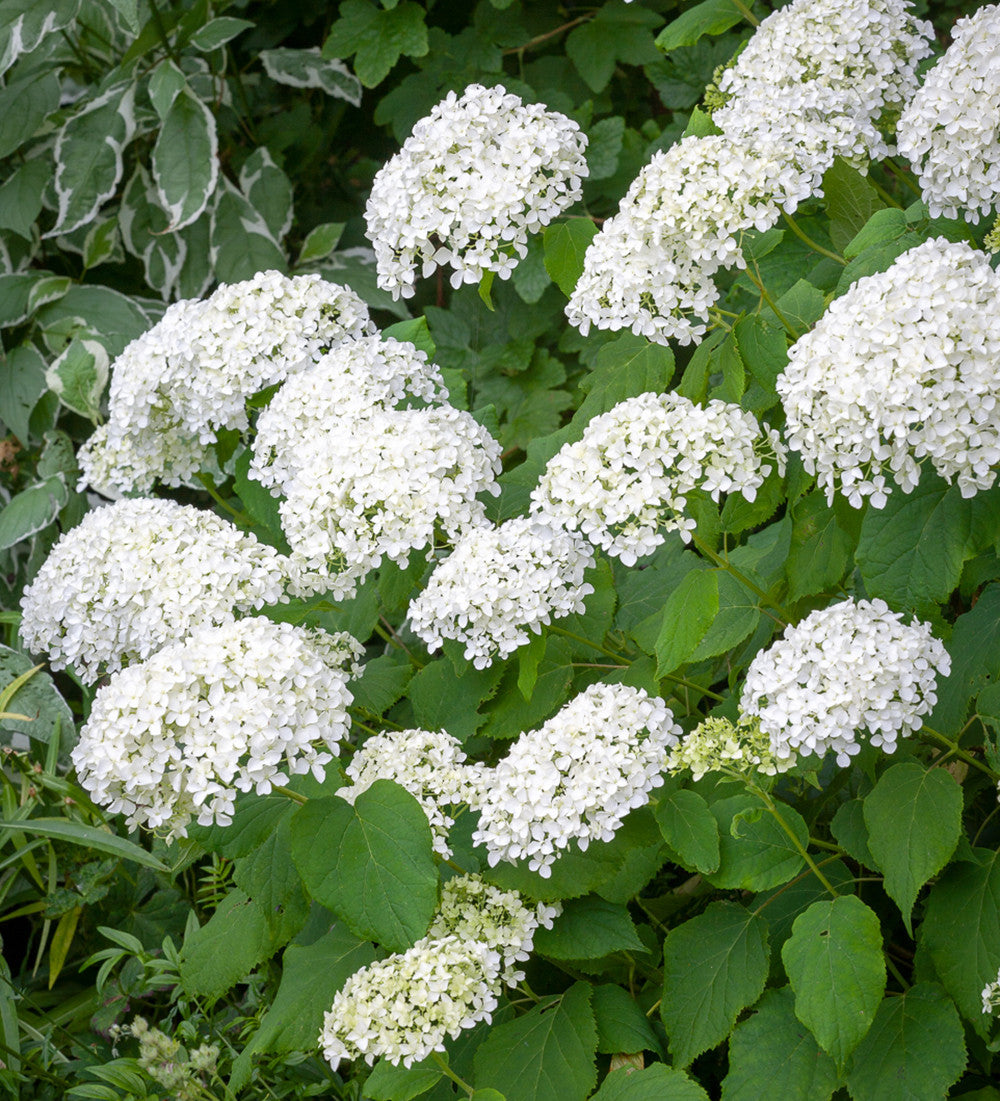
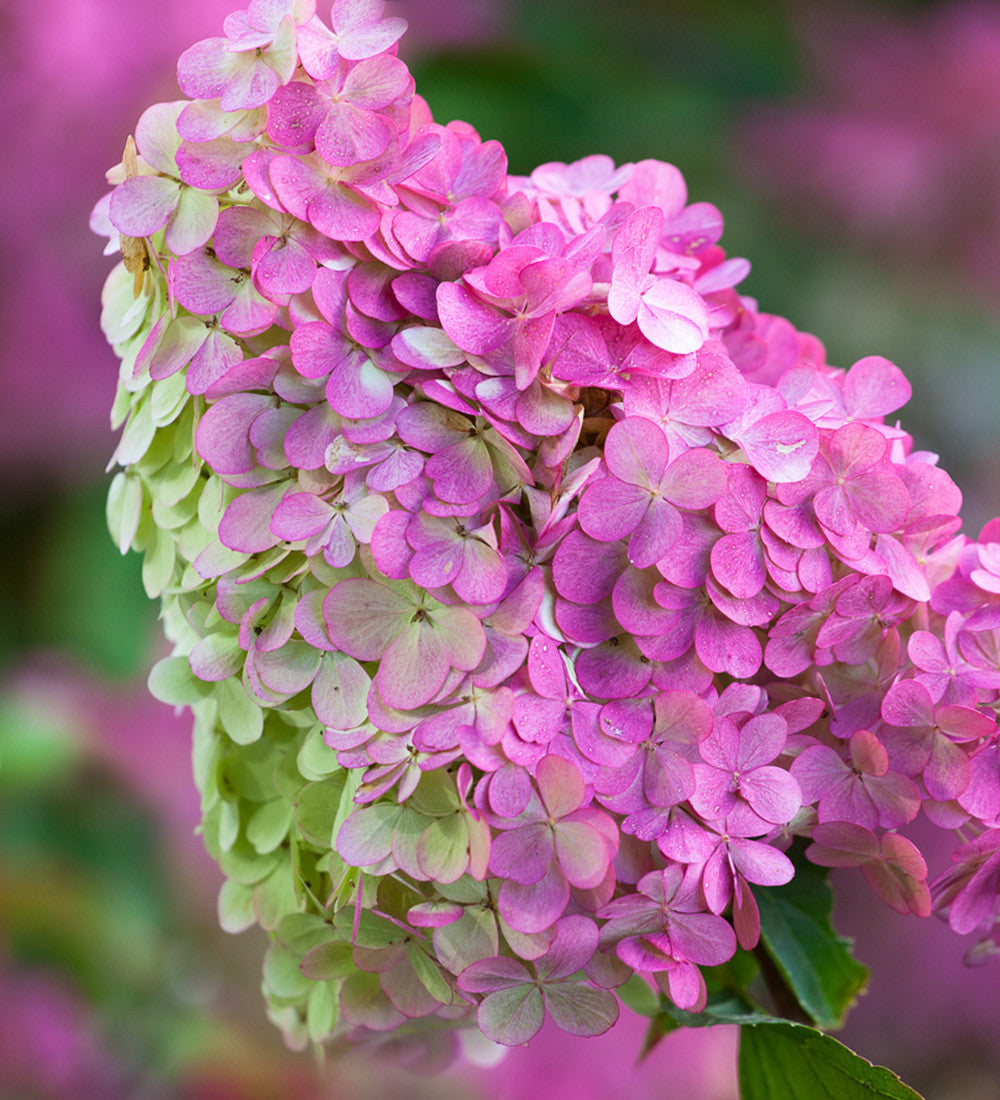
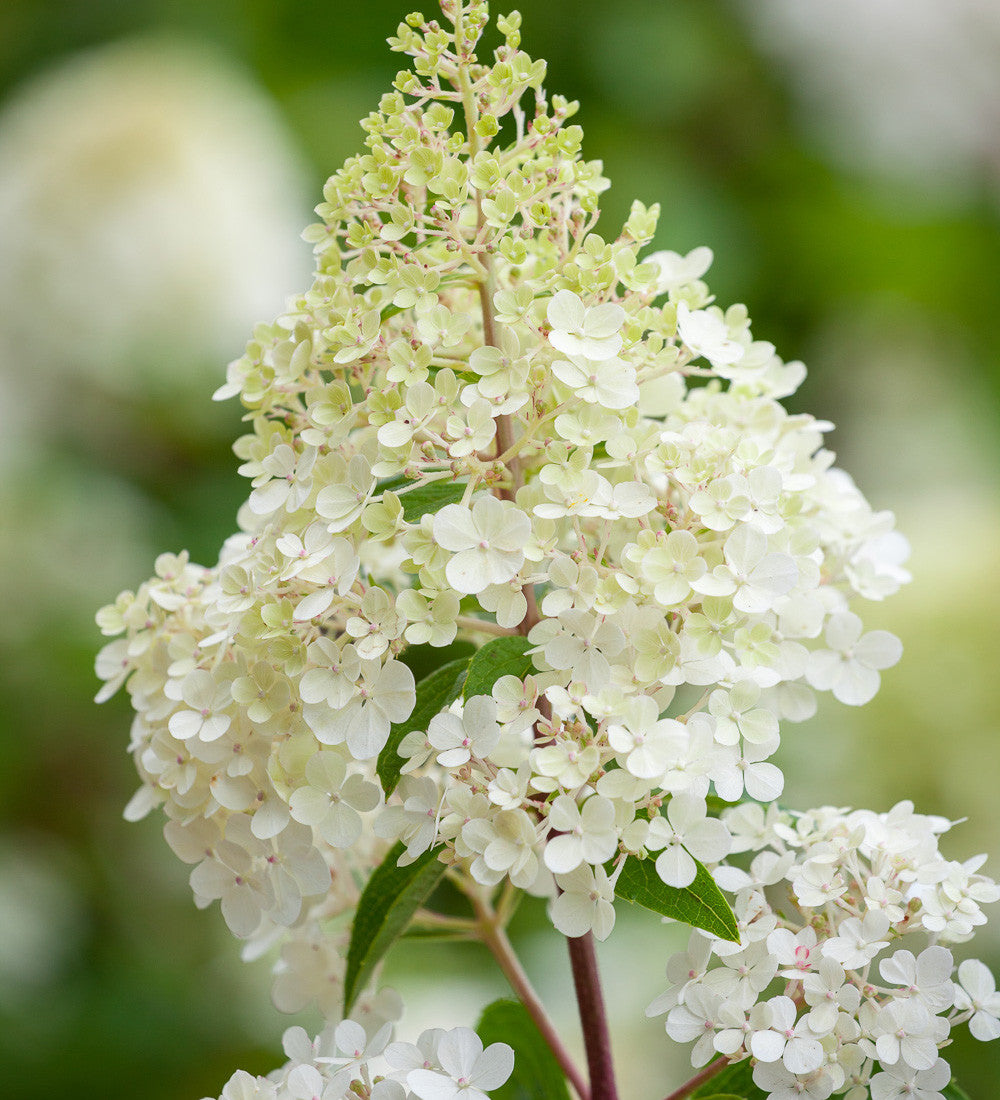
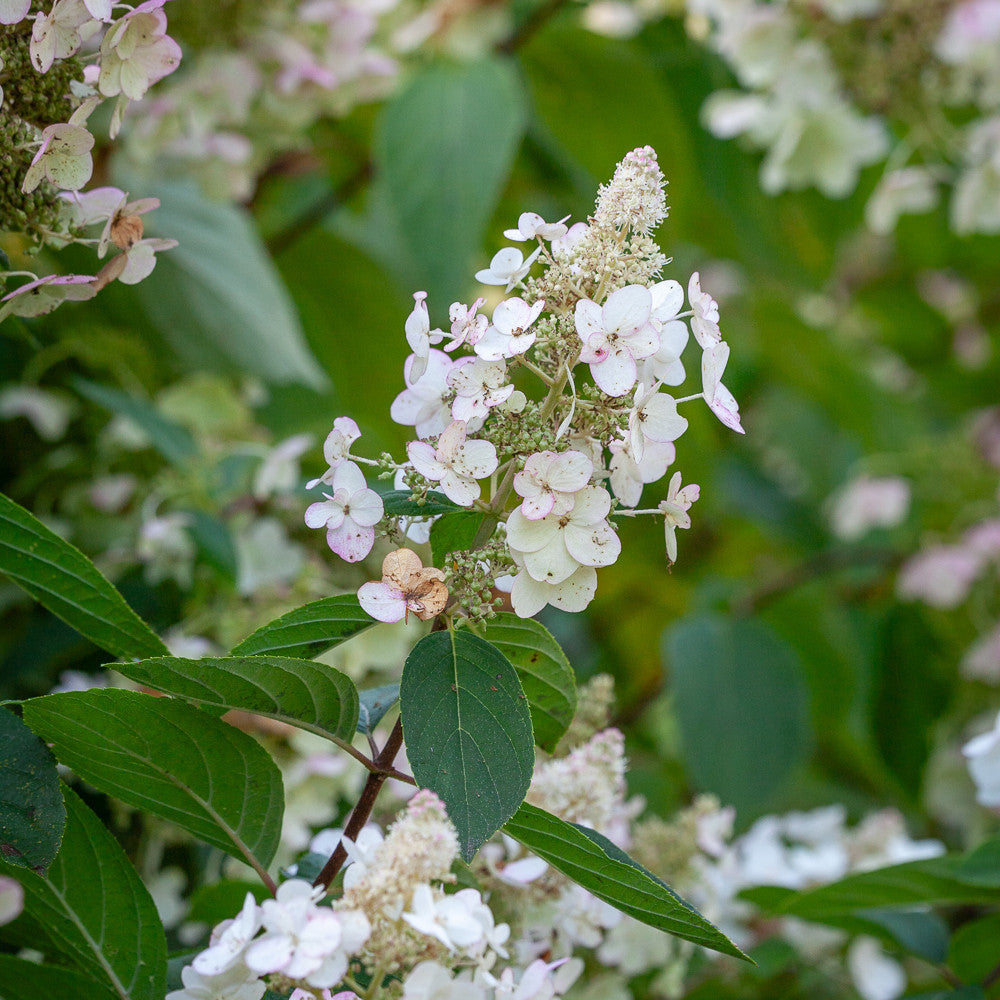
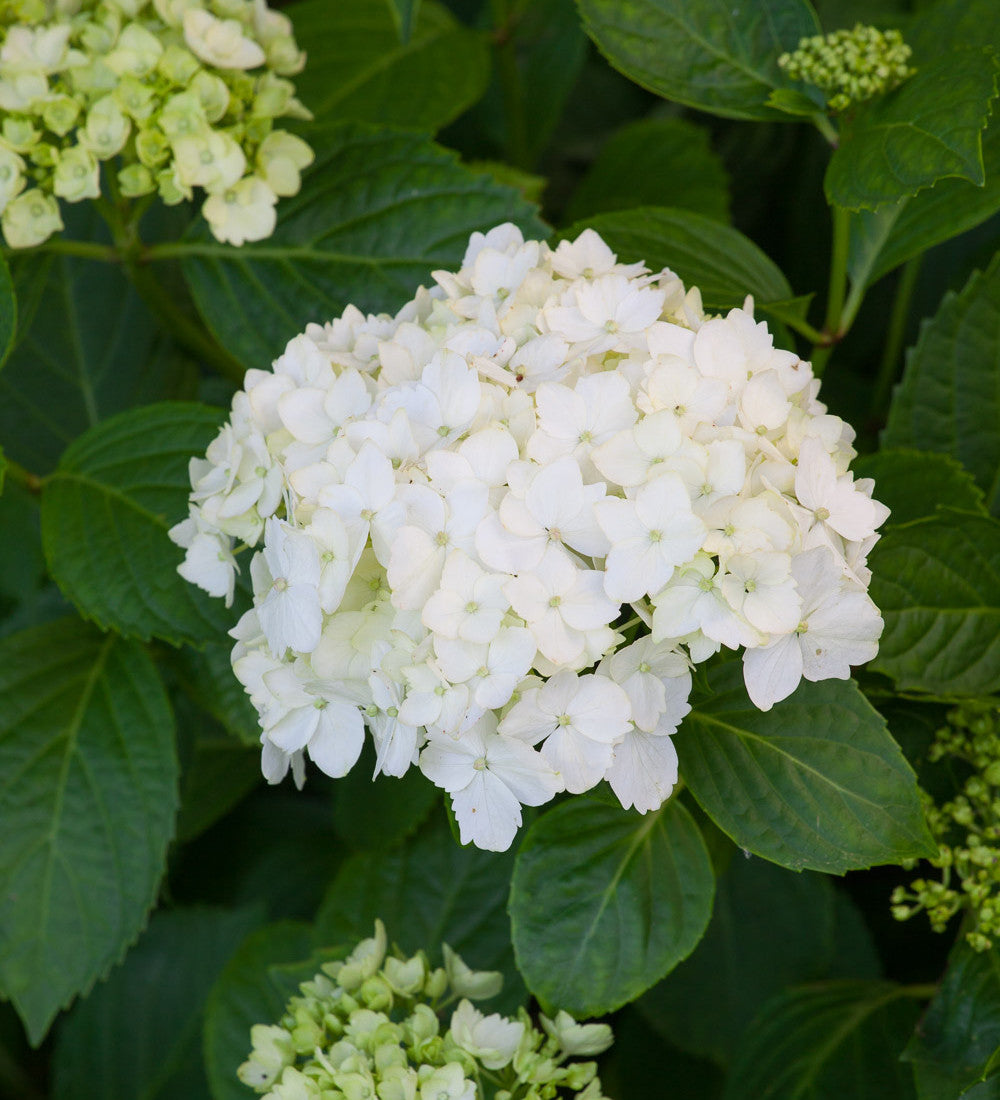
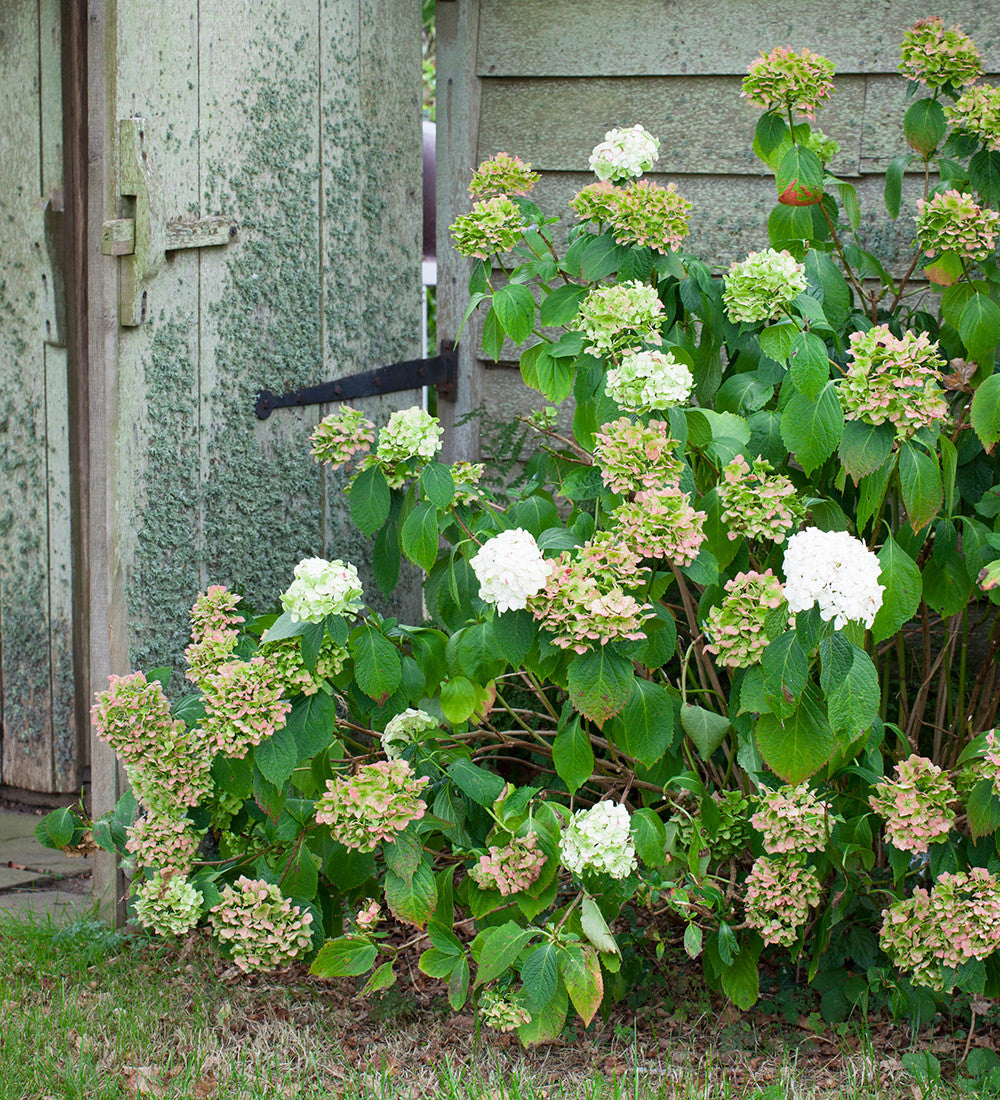
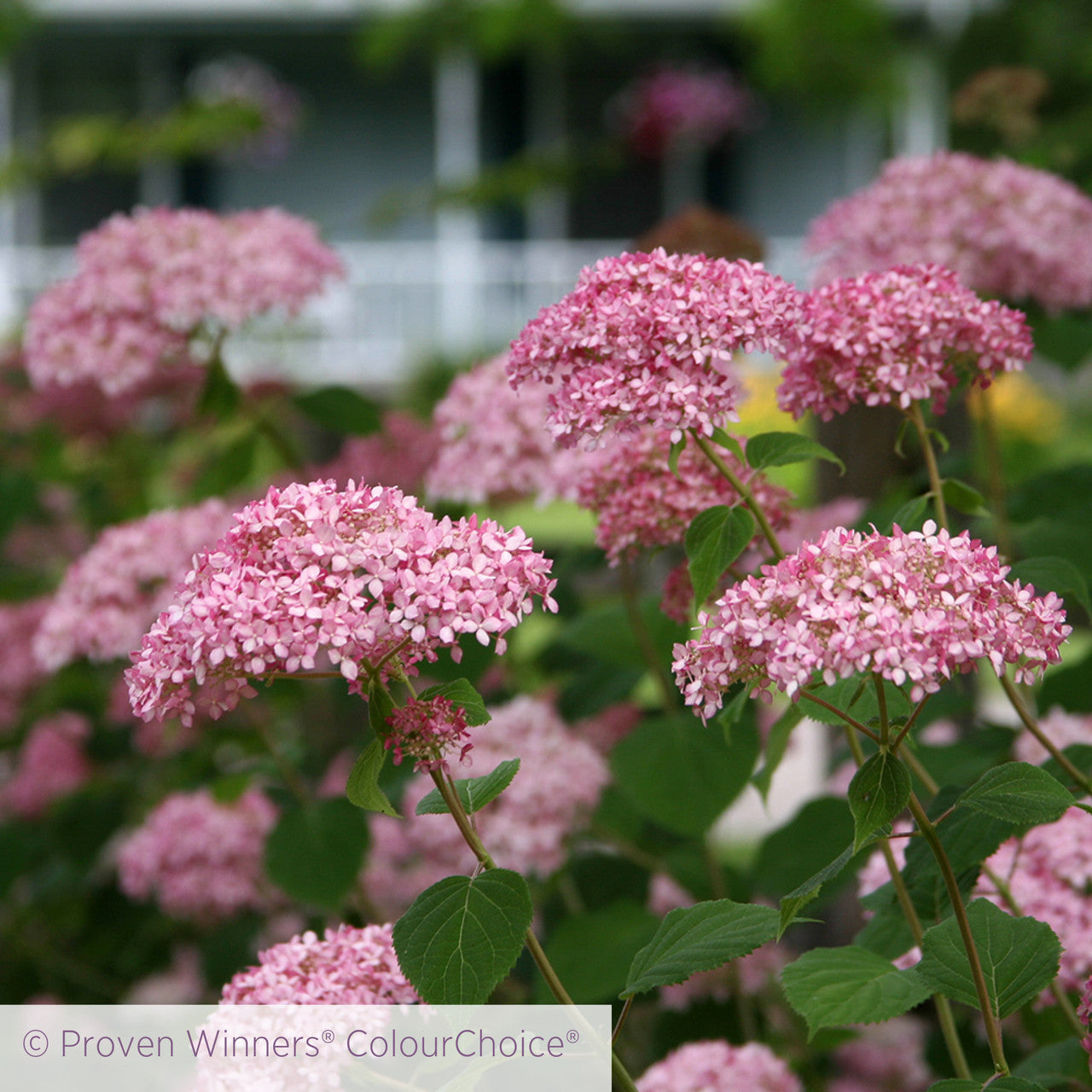
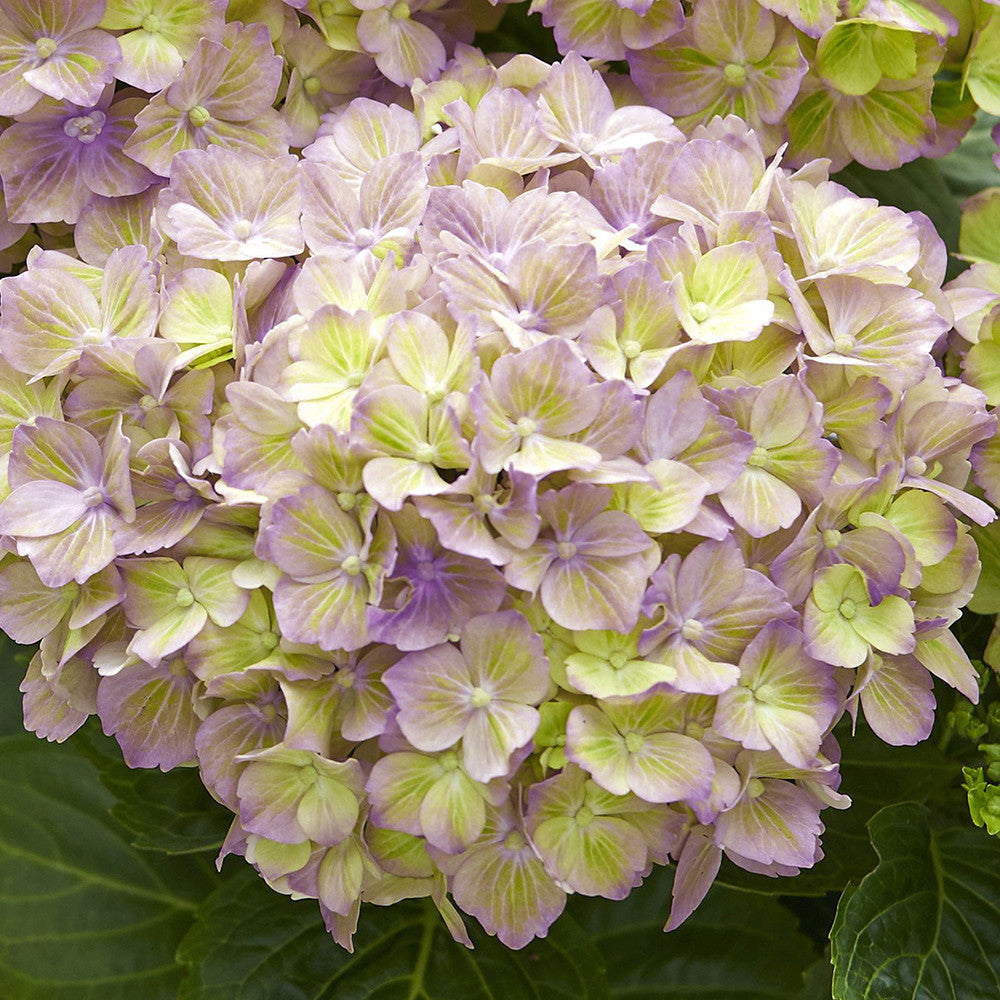
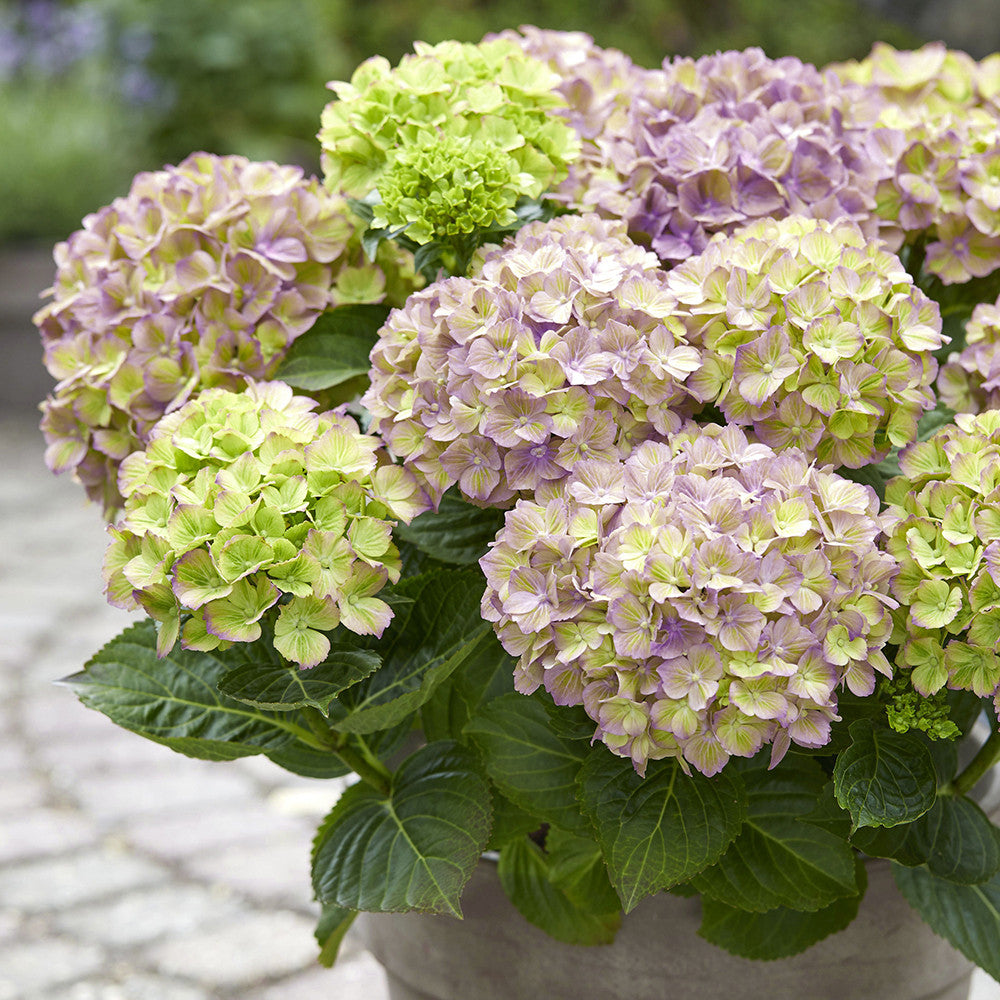
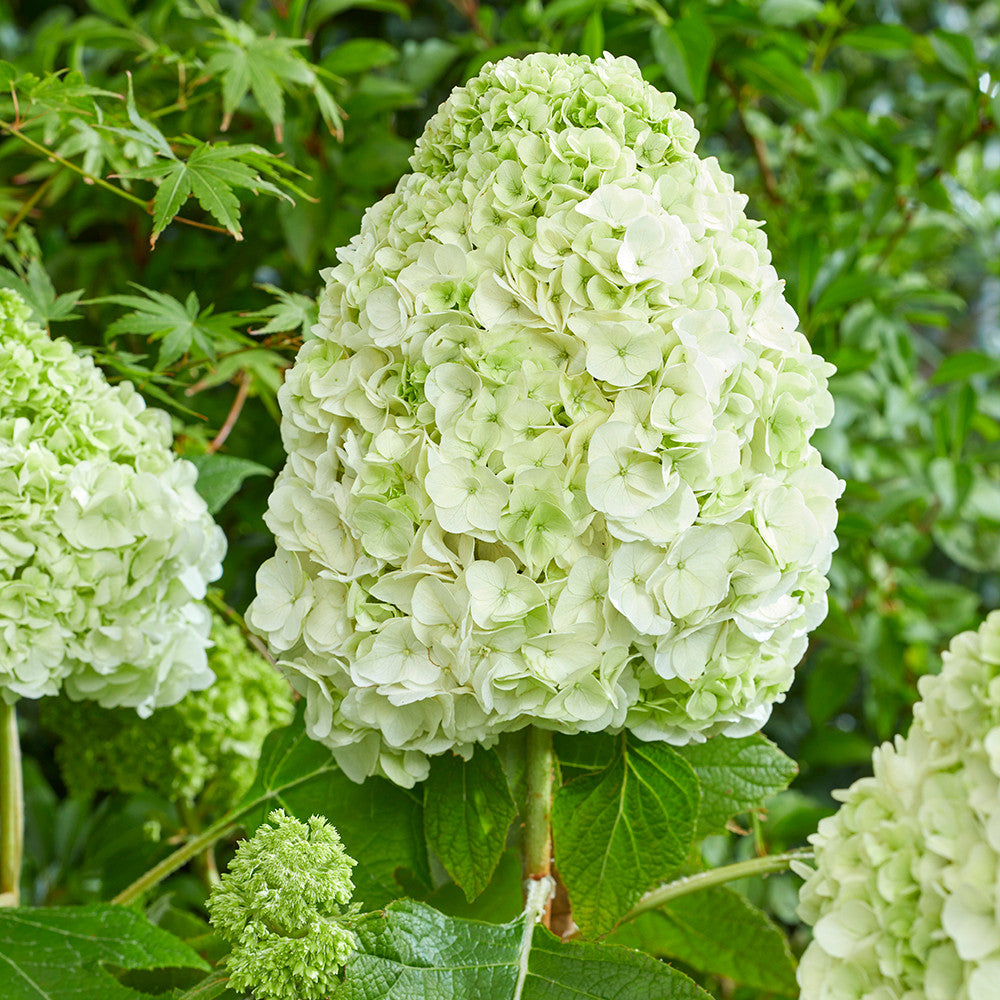
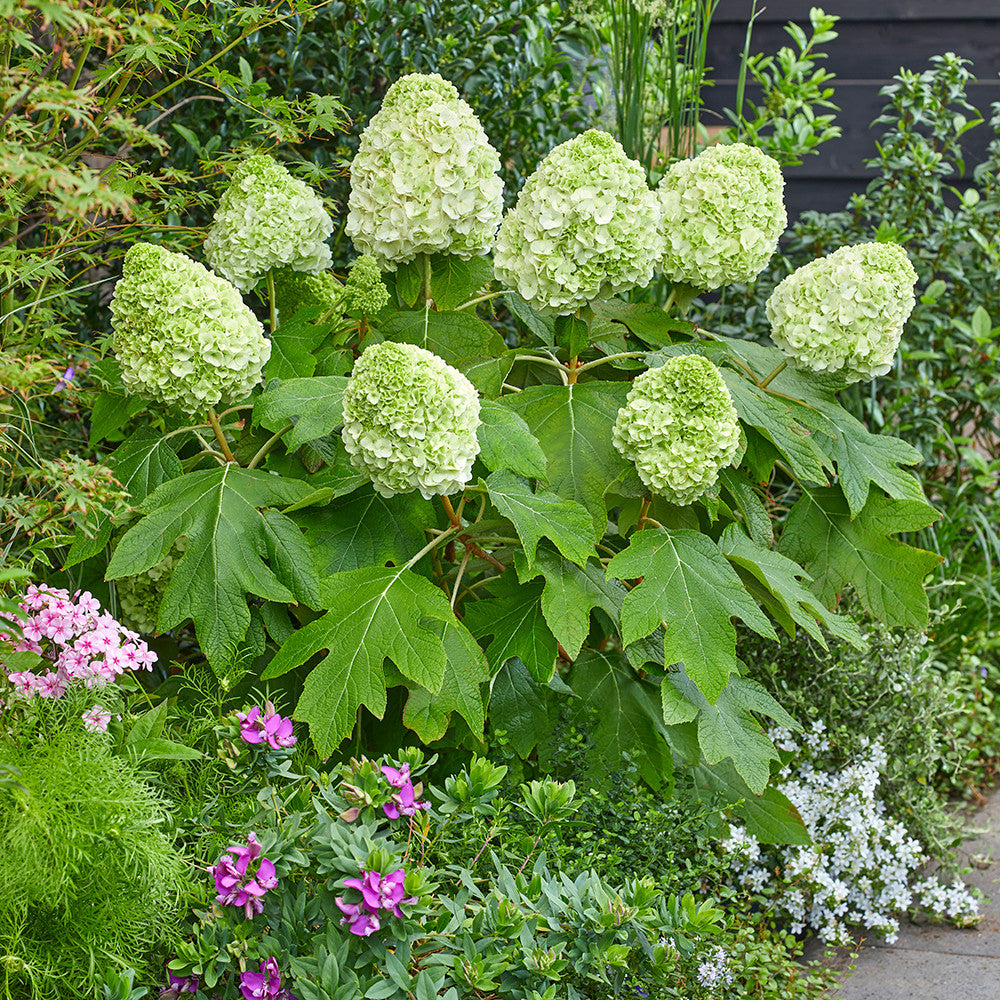
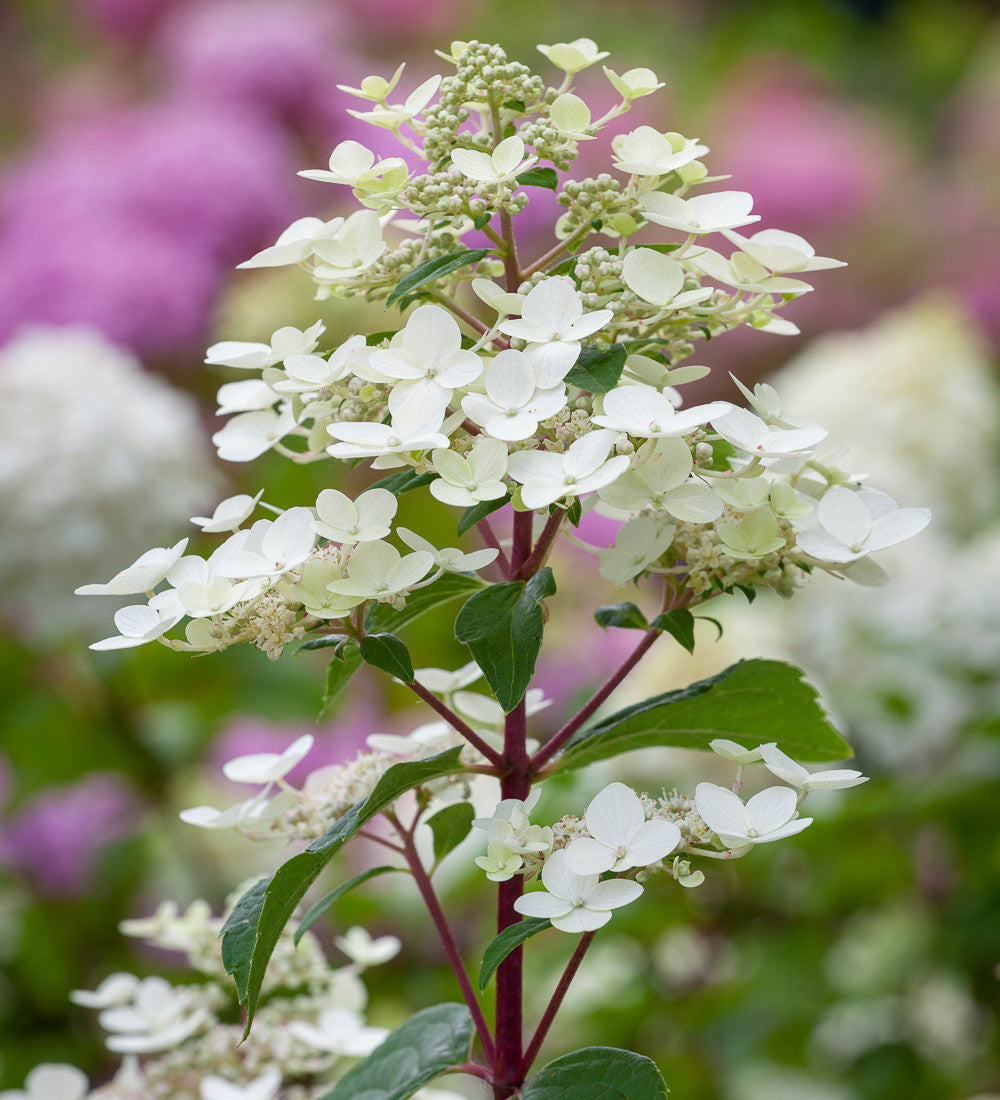
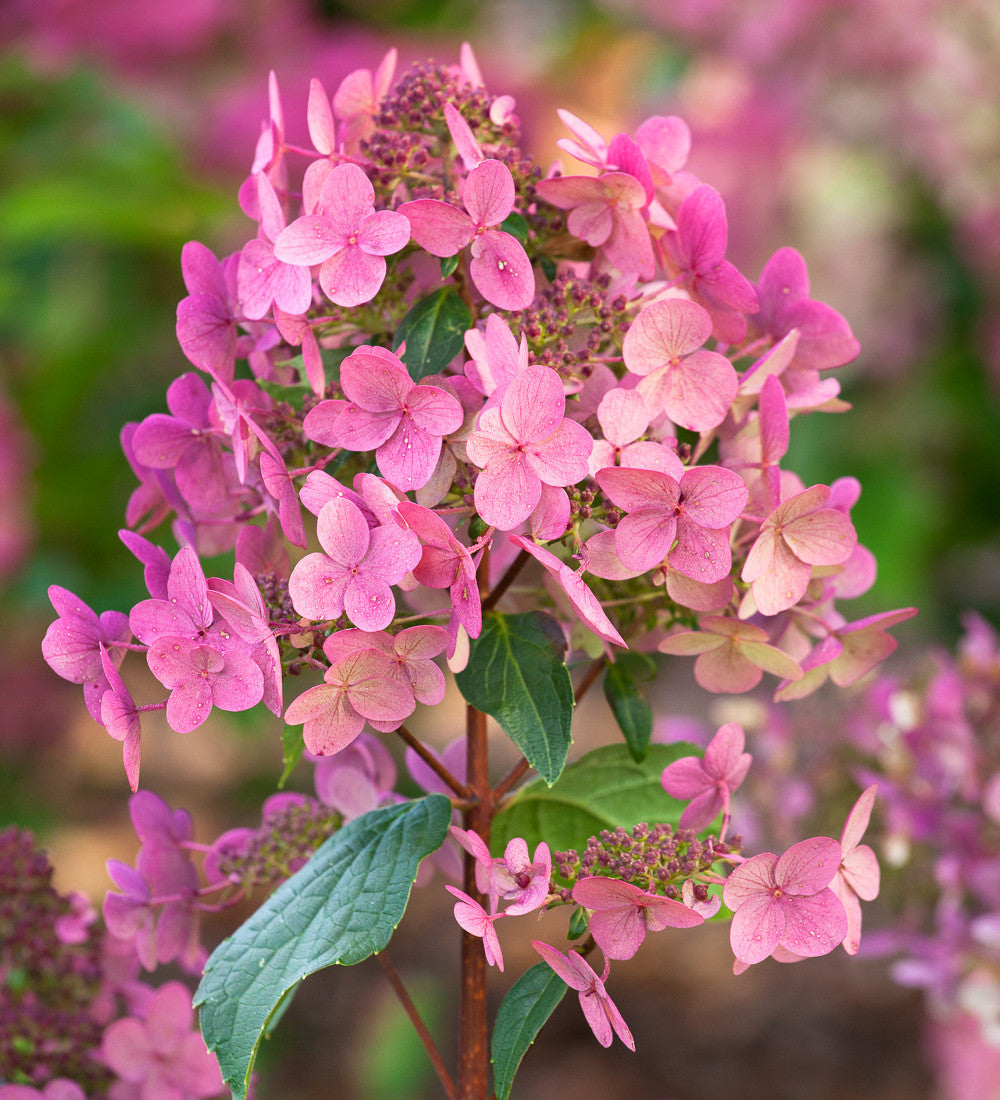
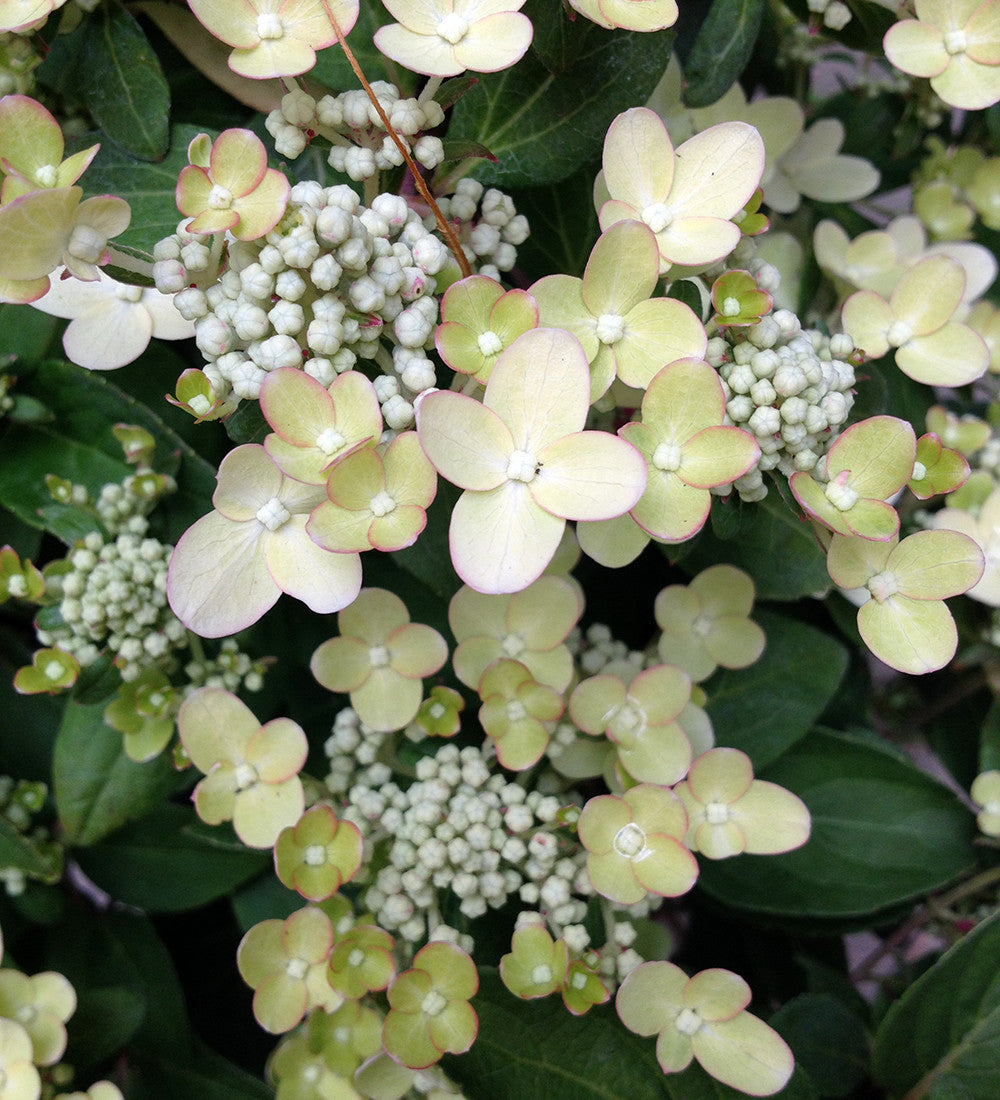
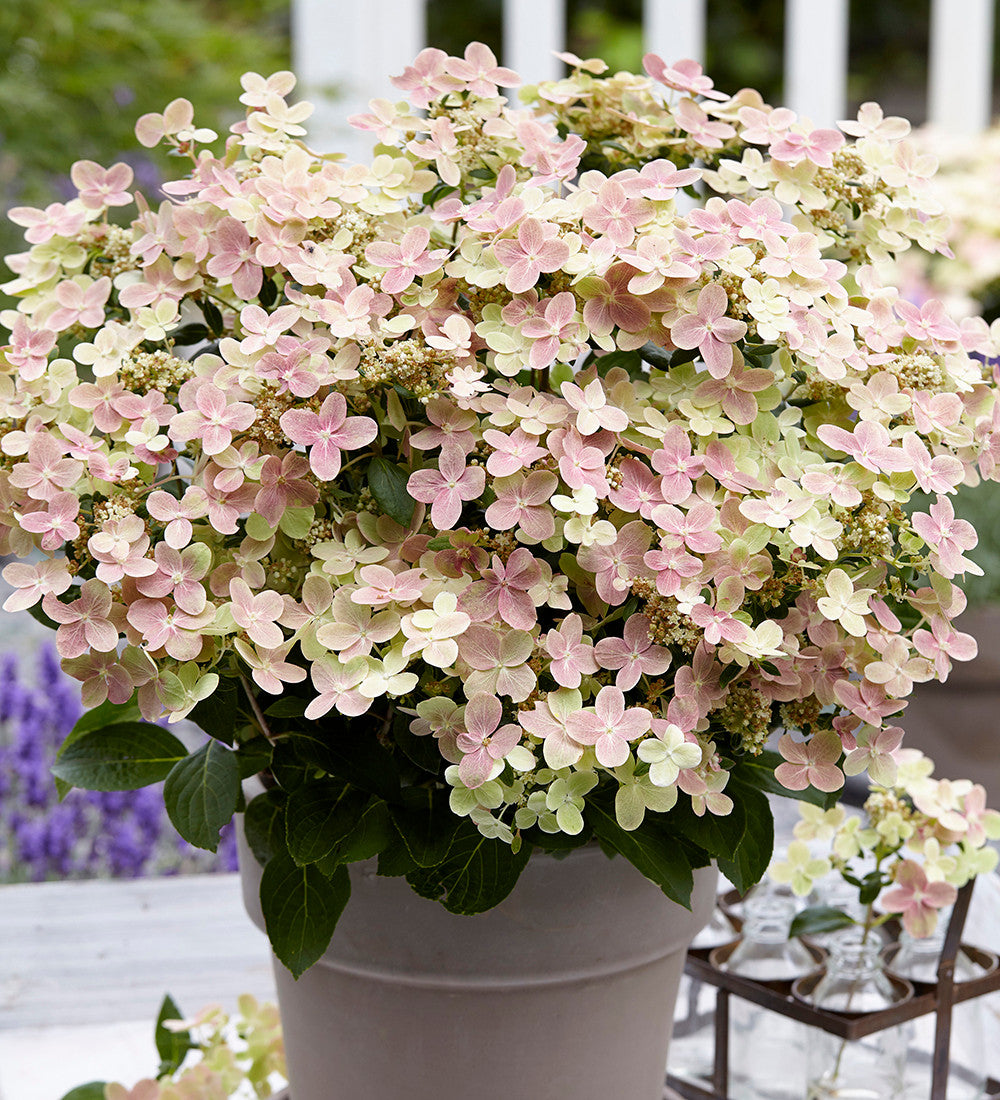
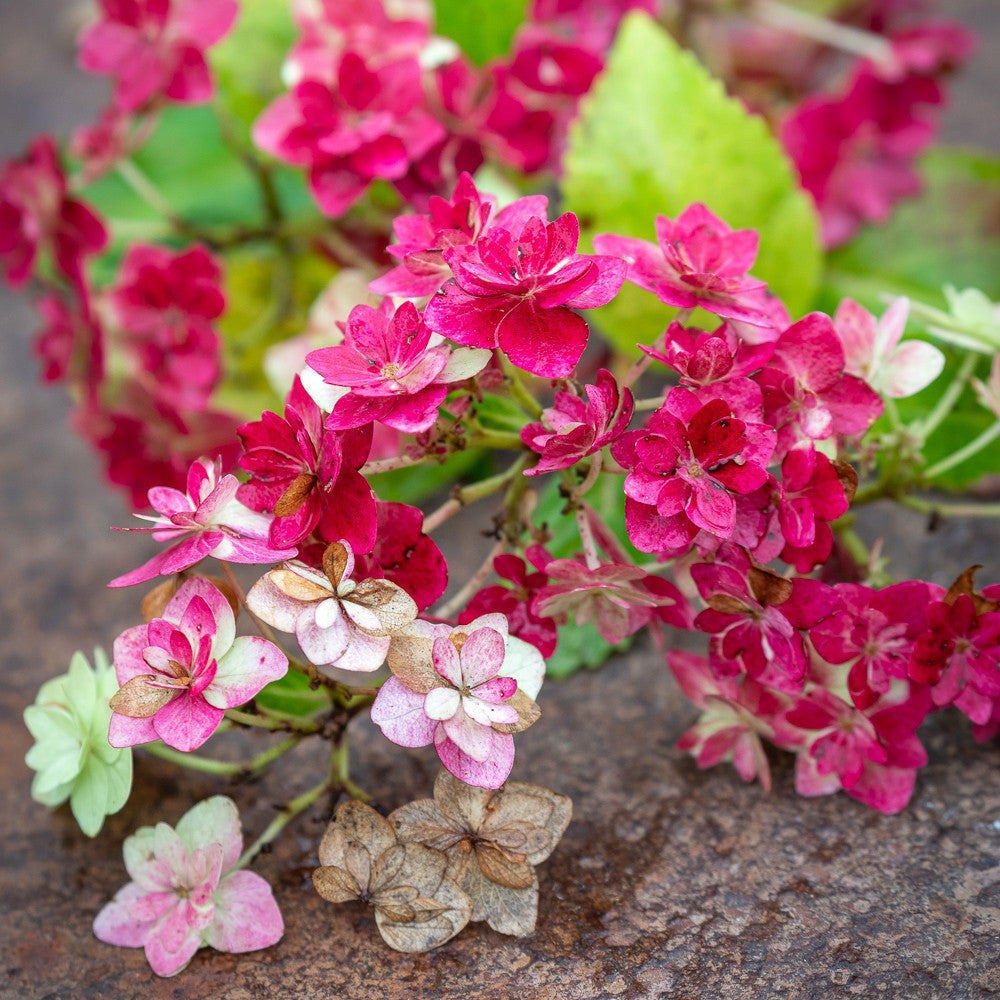
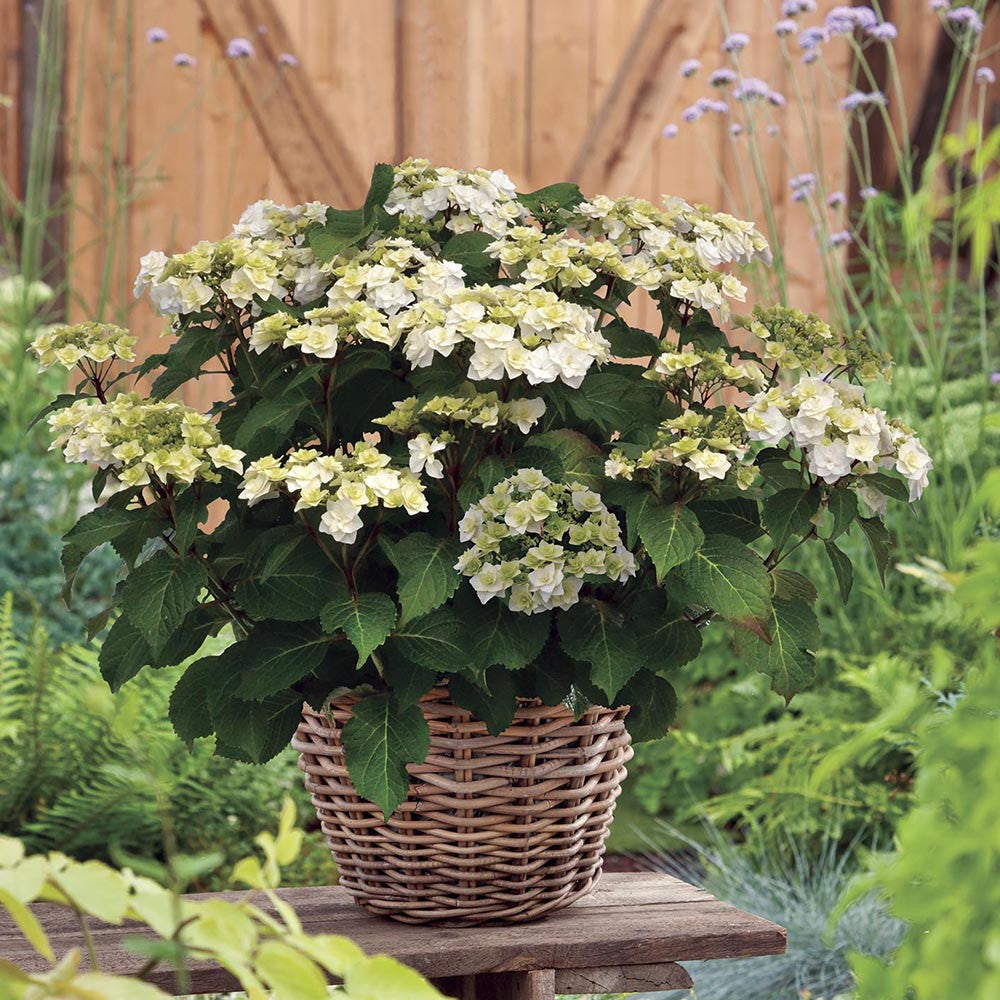
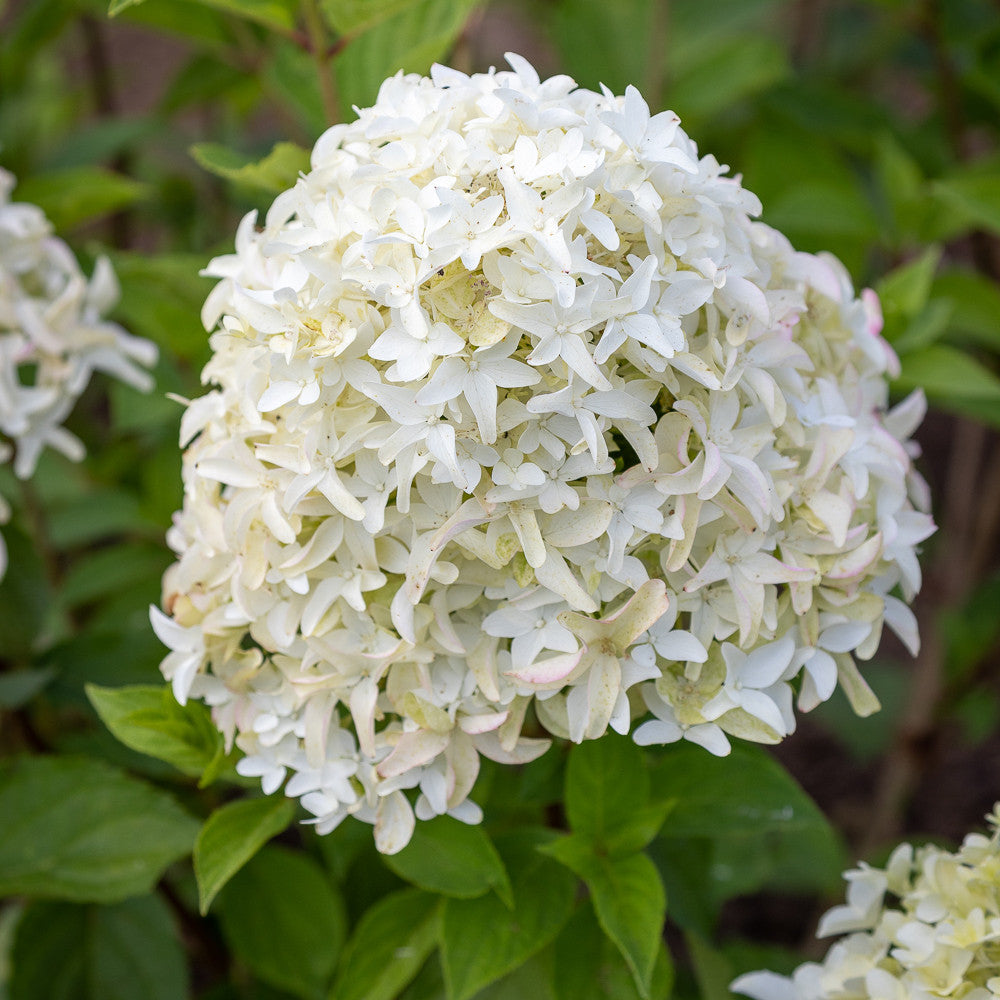
There has been a rekindling of love for hydrangeas over the past decade, with huge amounts of breeding taking place. Whether for the garden, house or flower arrangement, hydrangeas are hugely fashionable and rightly so. With unrivalled, immense flower heads, hydrangeas flaunt an old-fashioned sense of grandeur even in the dampest British summertime. They are easy to cultivate, tolerant of almost any soil, and produce abundant blooms to fill many a vase. Our range of hydrangea plants includes classic varieties as well as newer compact varieties, perfect for smaller gardens or growing in pots.
It's not too late
Autumn is one of the very best months to plant perennials, climbers and shrubs. The soil is still warm, but cooler, wetter weather means less watering. Plant now for roots to establish before winter and for strong growth next spring.
-
When should I prune hydrangeas?
Pruning requirements vary depending on the species. Some hydrangeas flower on old wood, while others flower on new growth, so it's important to follow variety-specific pruning advice – see our Growing Guide for more information.
-
Where is the best location to grow hydrangeas?
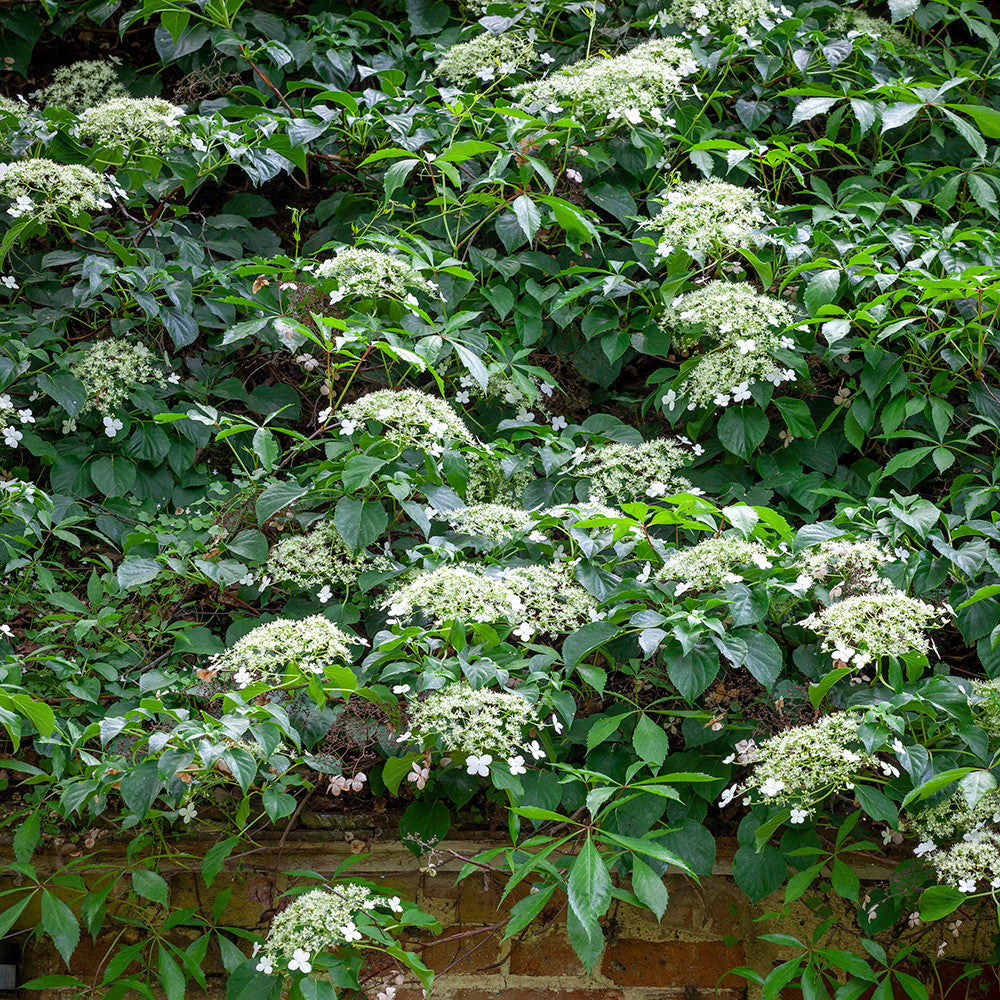
Plant hydrangeas in a cool, semi-shady part of the garden, avoiding exposed east-facing sites where cold winds can damage young spring growth. They are happiest in moist, fertile soil and can grow in clay soils. Climbing species should be positioned 60cm from a wall or fence to allow rain to reach the roots and will need some support initially.
-
Are hydrangeas suitable for small gardens?
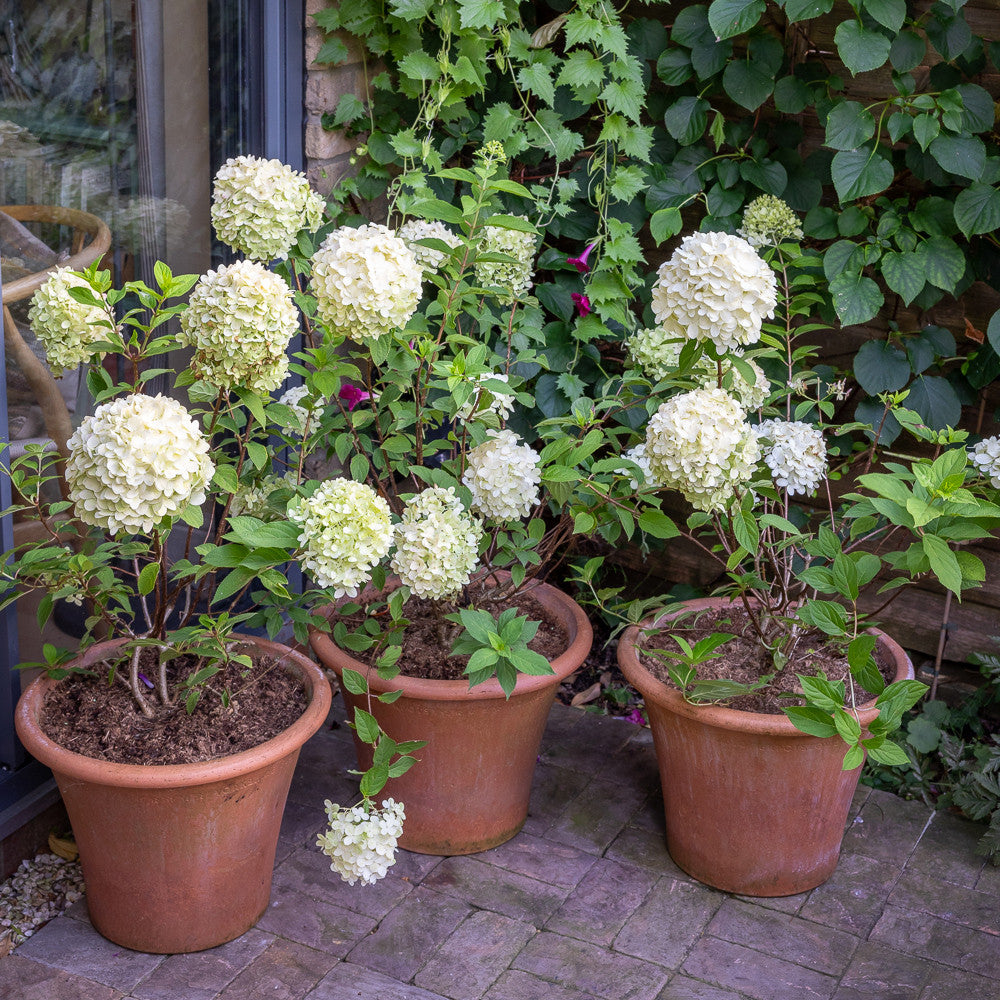
Yes. There are many varieties available that are ideal for smaller gardens or large containers.
-
Can a hydrangea flower colour be changed?
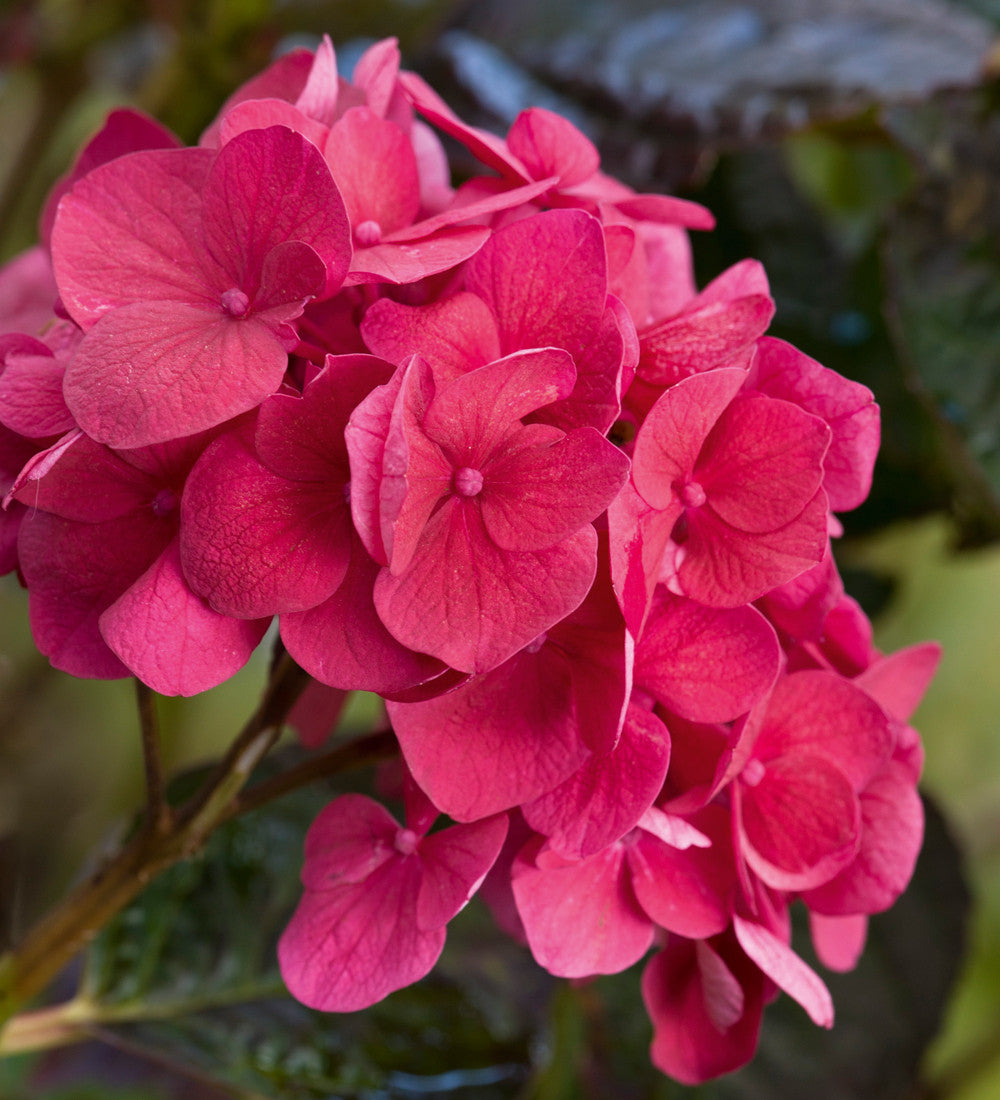
Certain varieties, particularly Hydrangea macrophylla, can produce blue flowers in acidic soils and pink flowers in alkaline soil.