Narcissi (Daffodils) 87
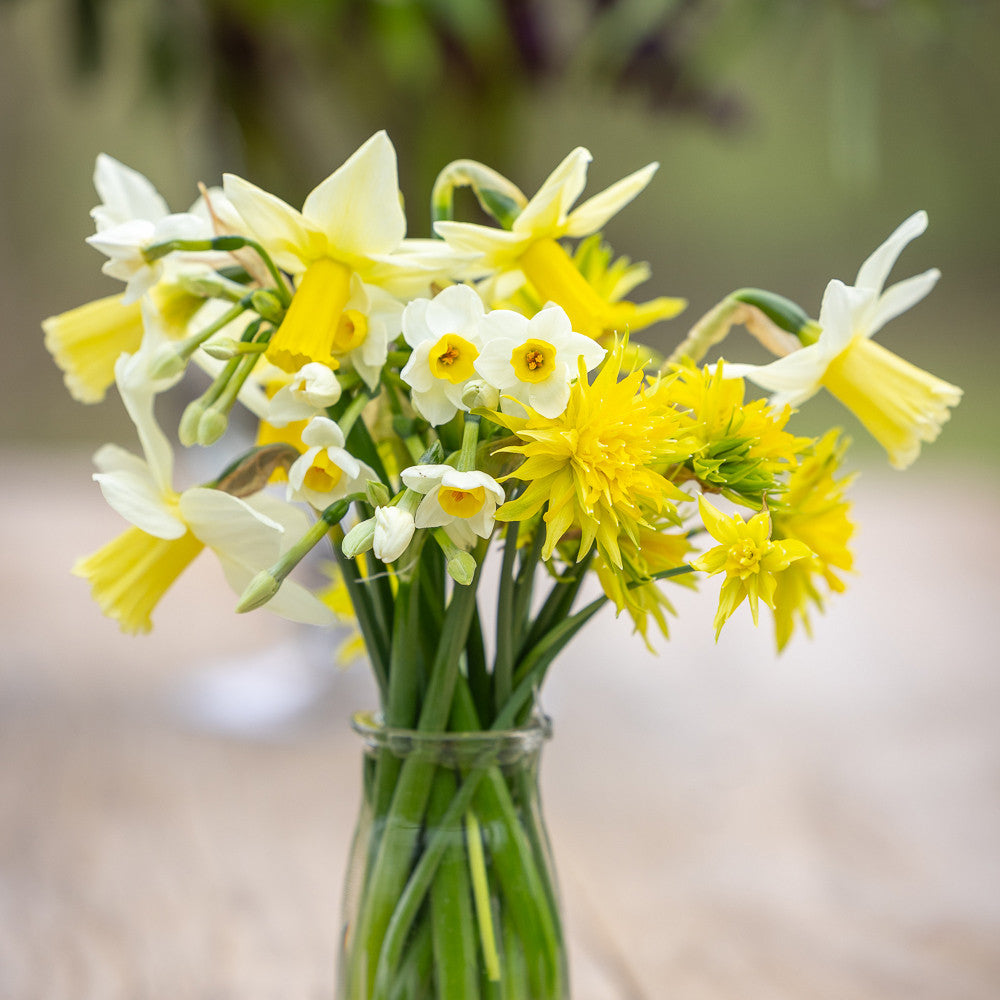
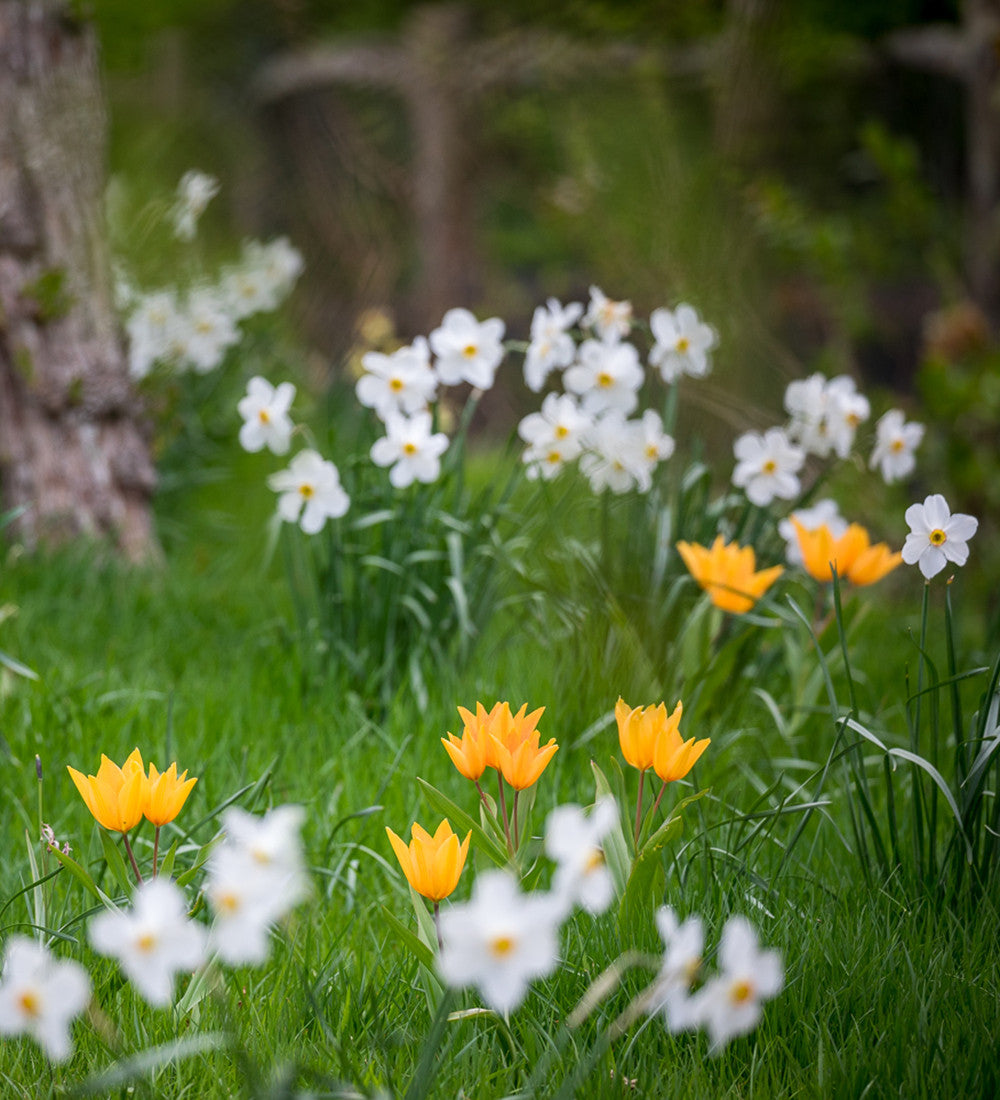
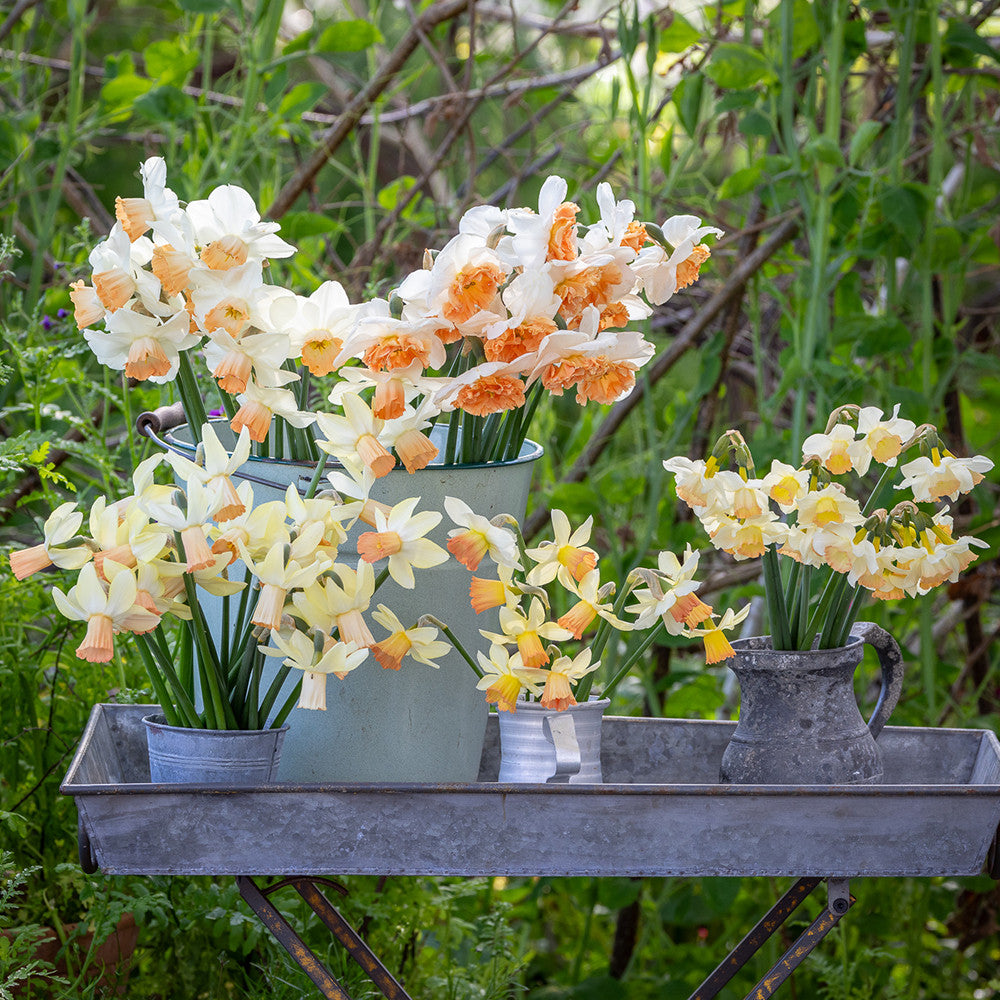
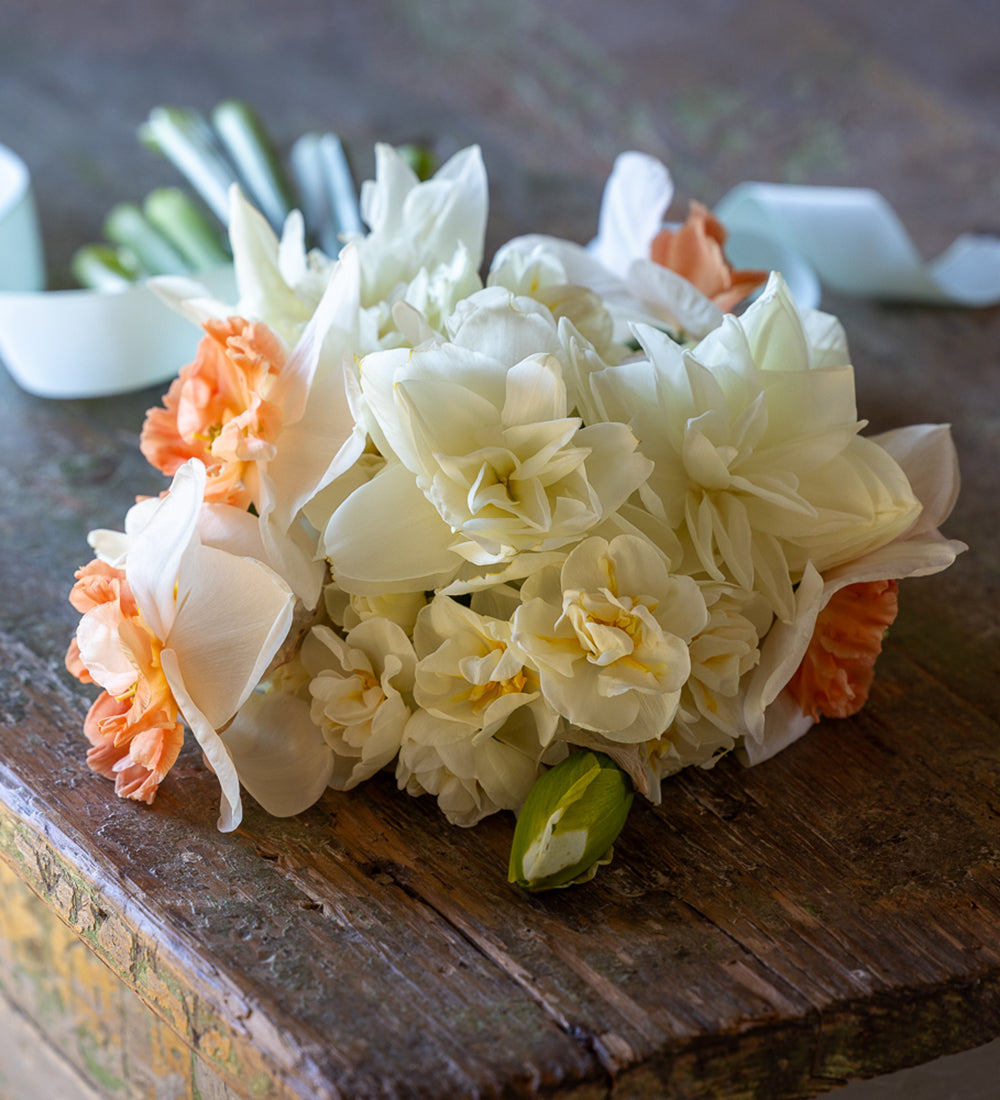
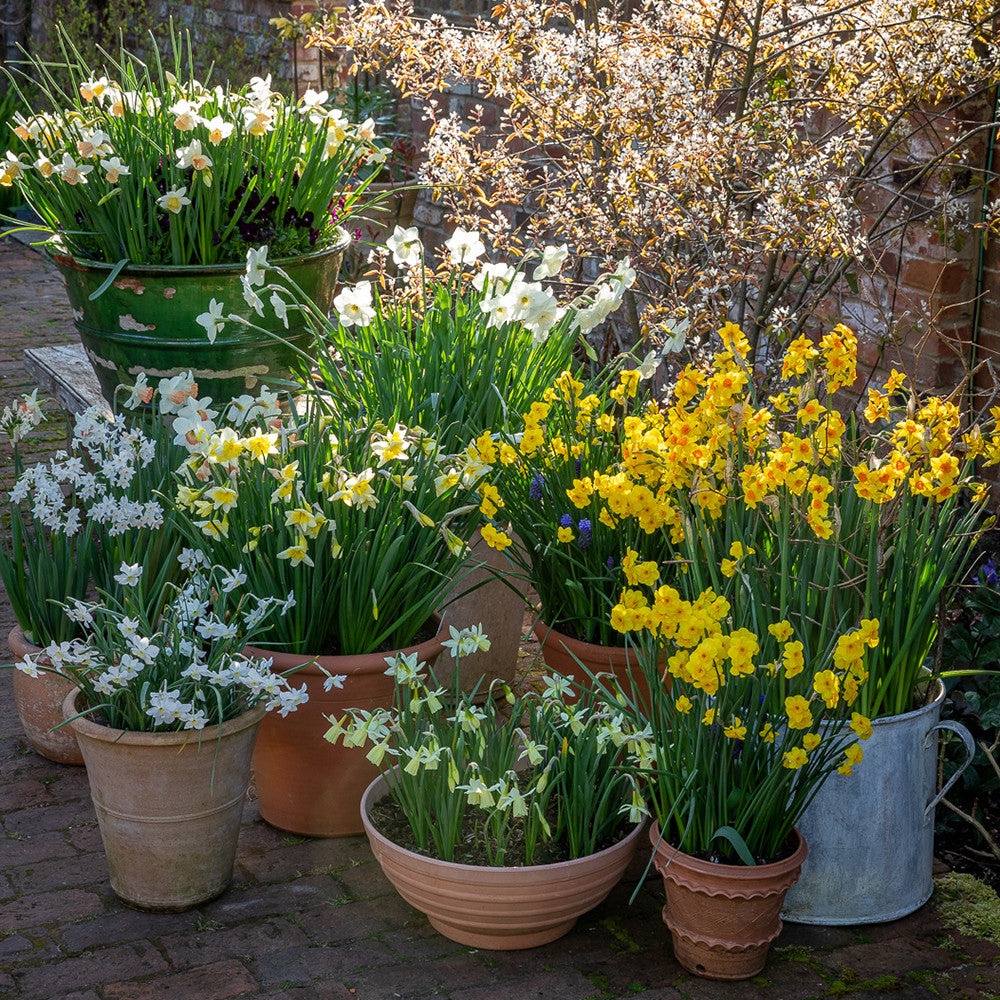
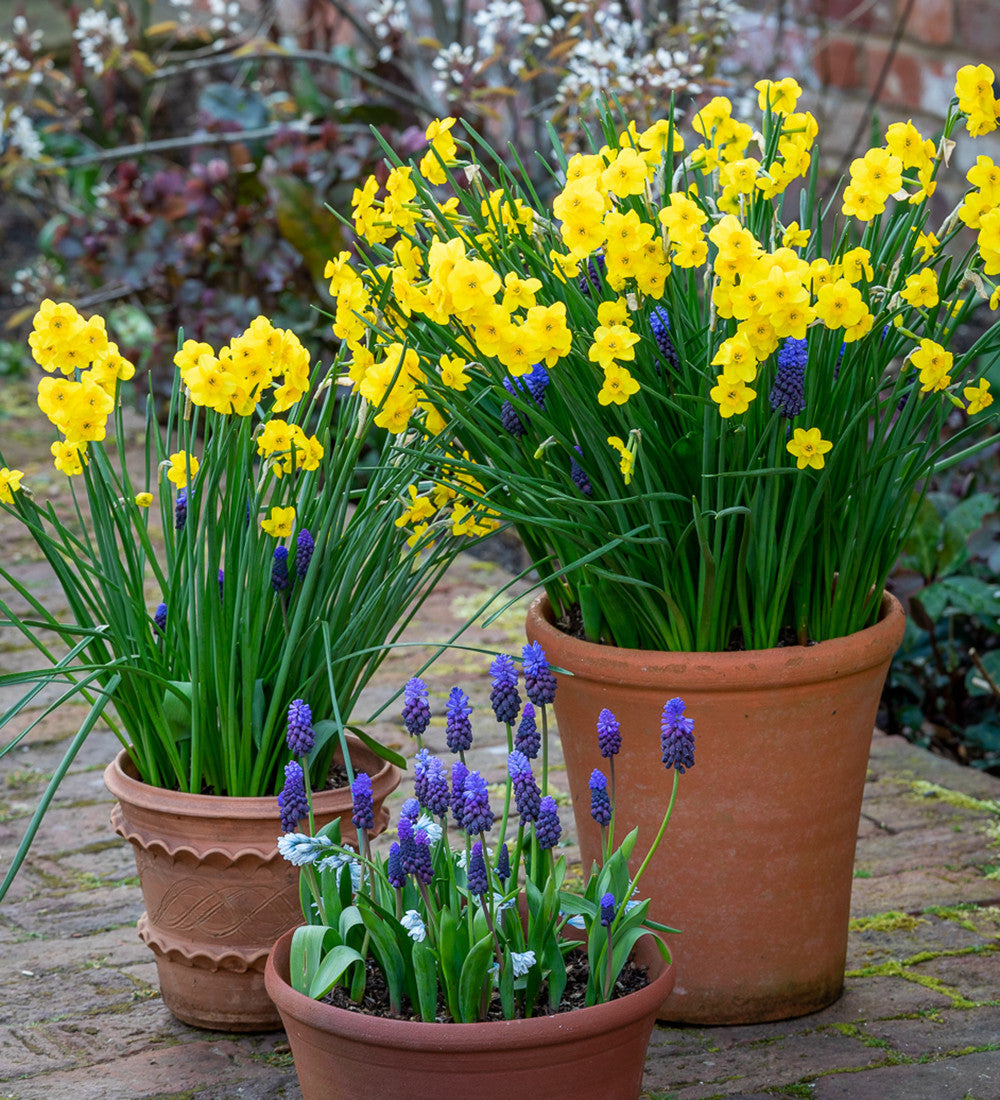
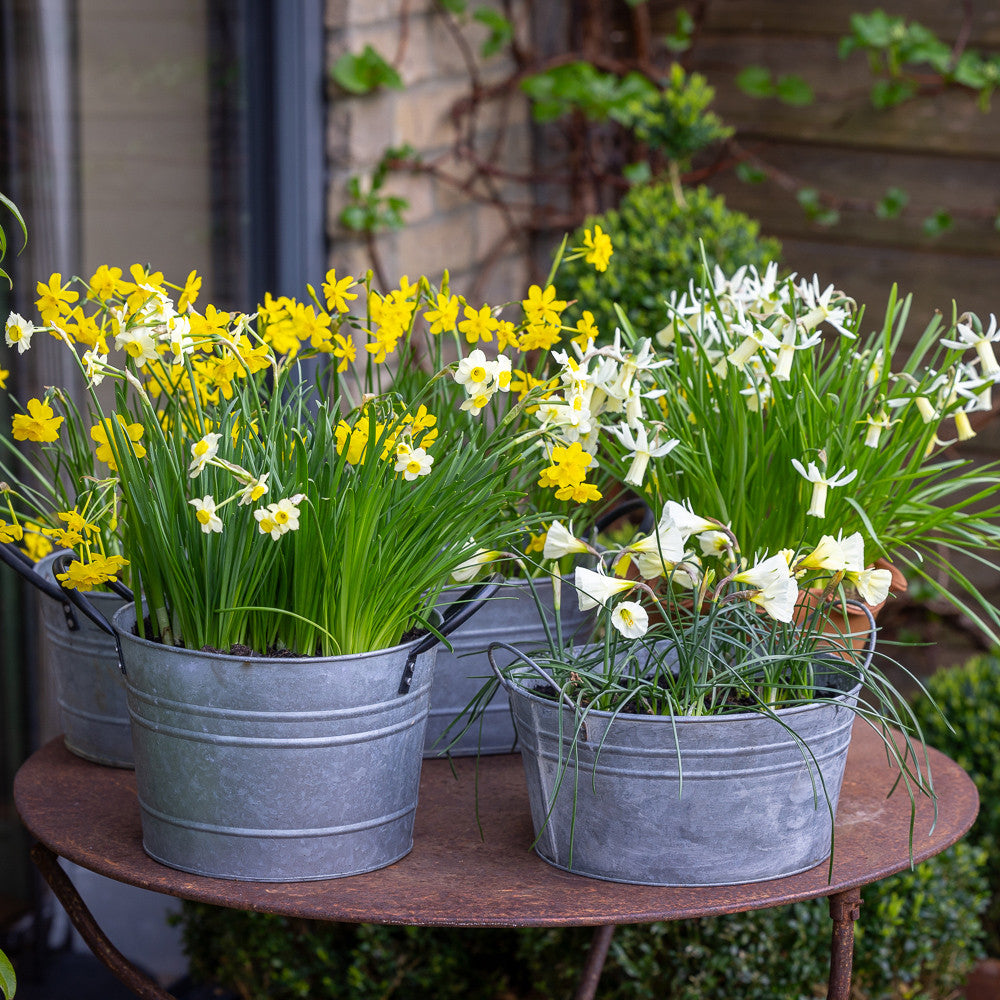
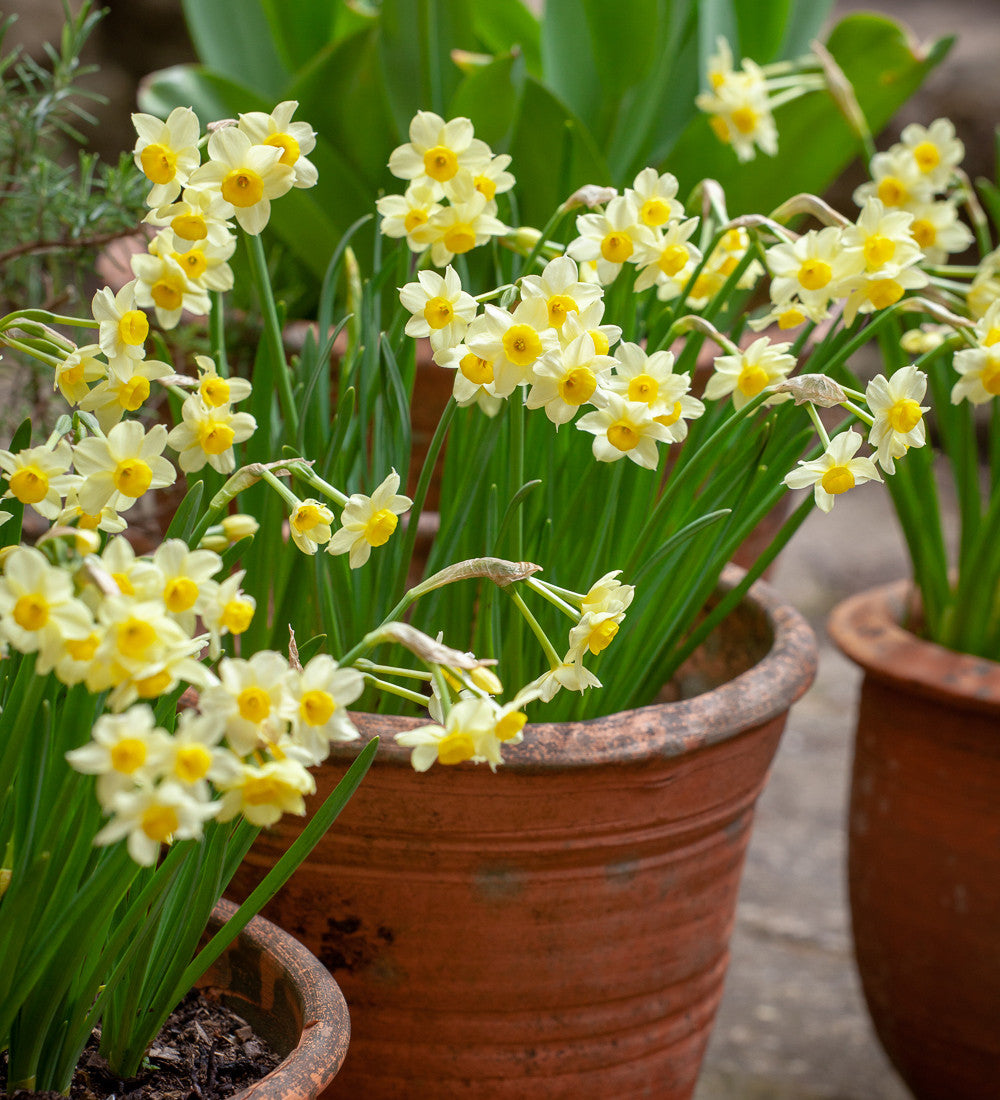
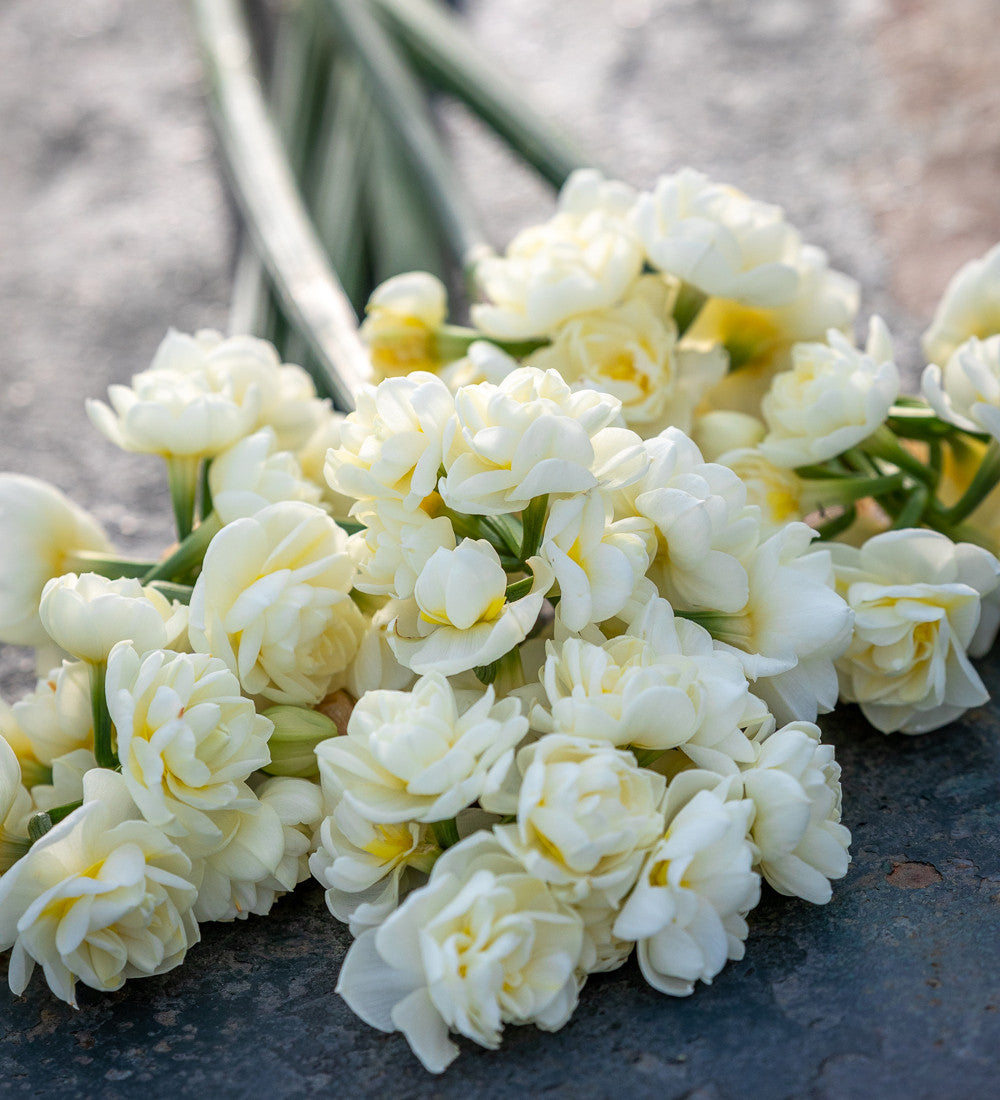
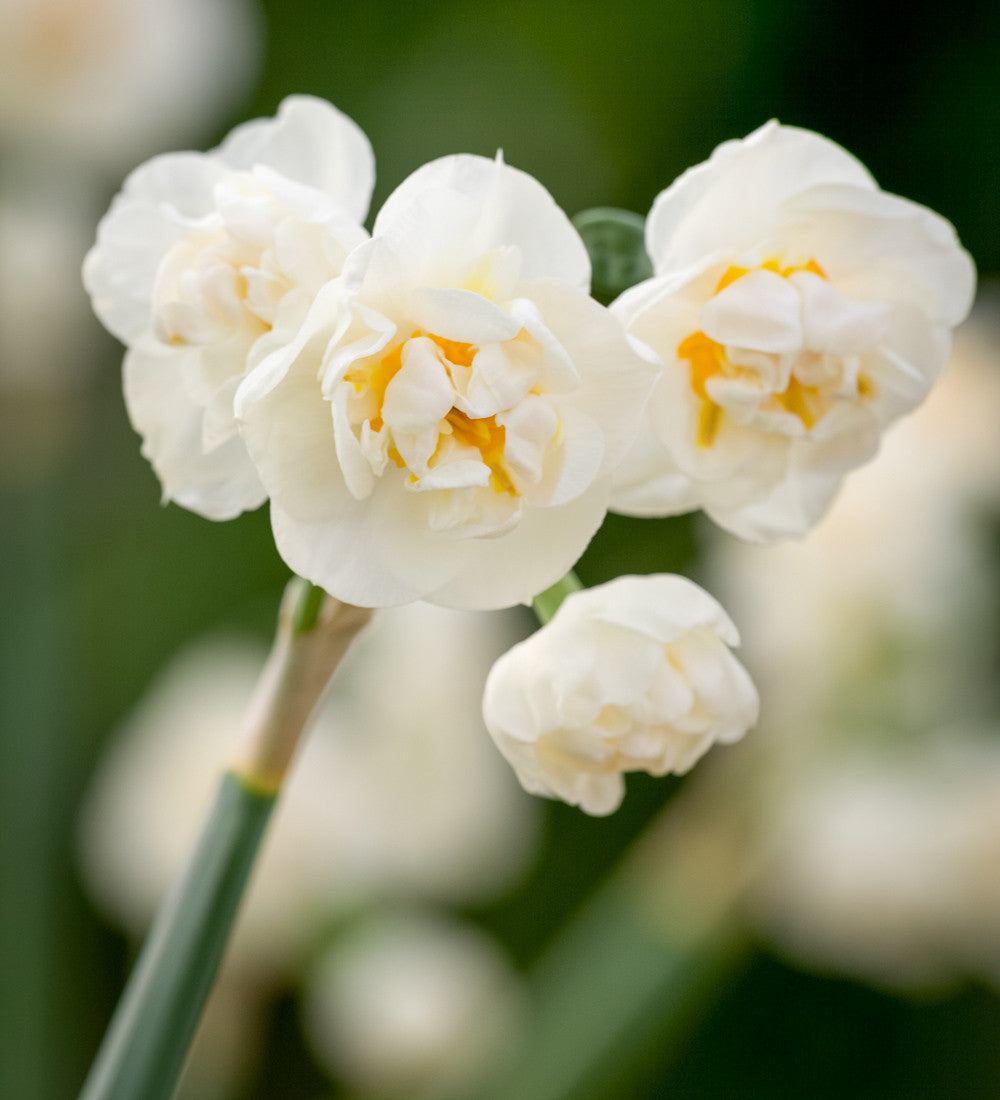
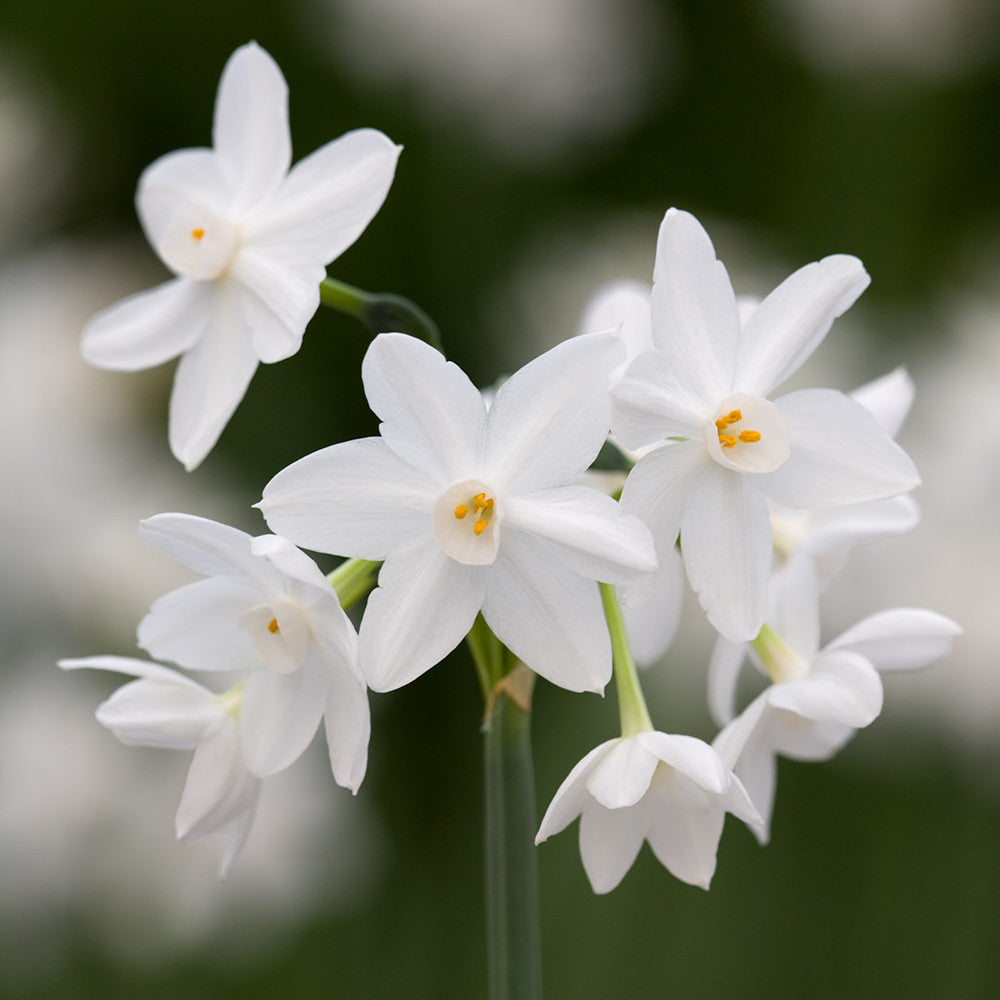
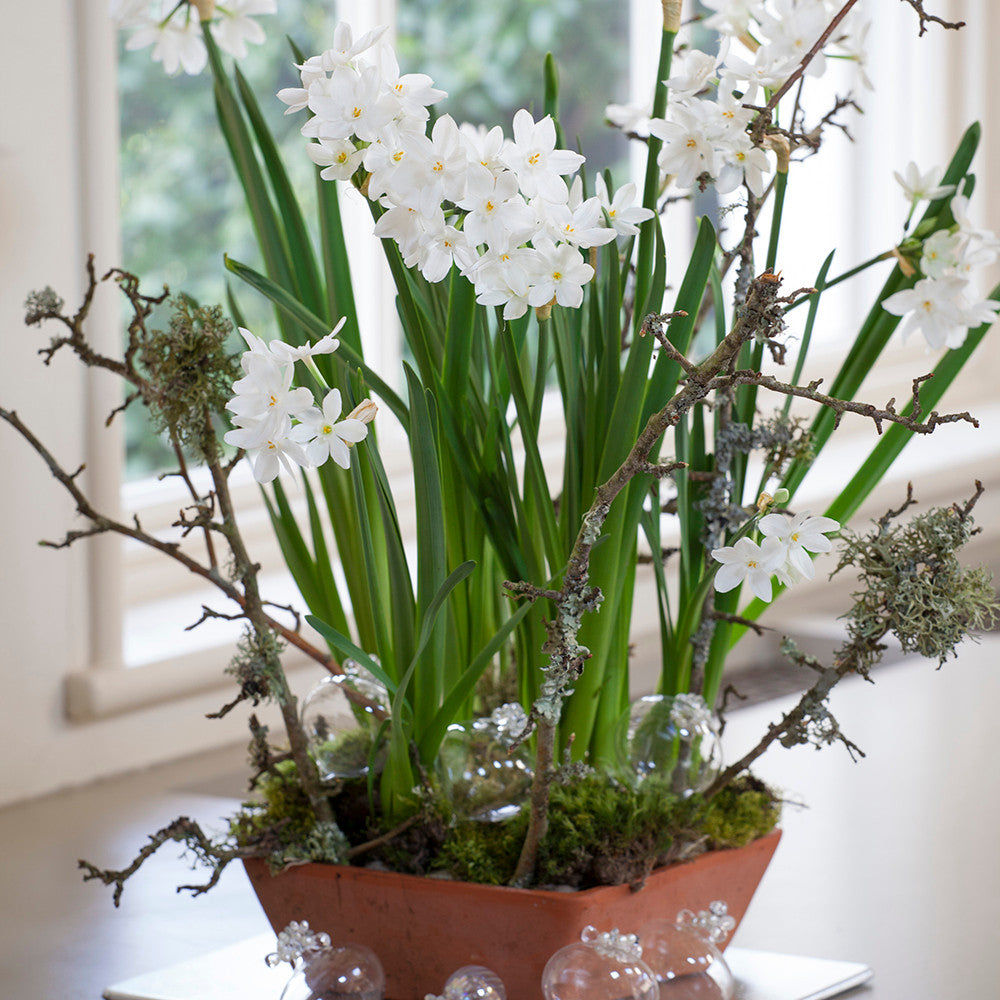
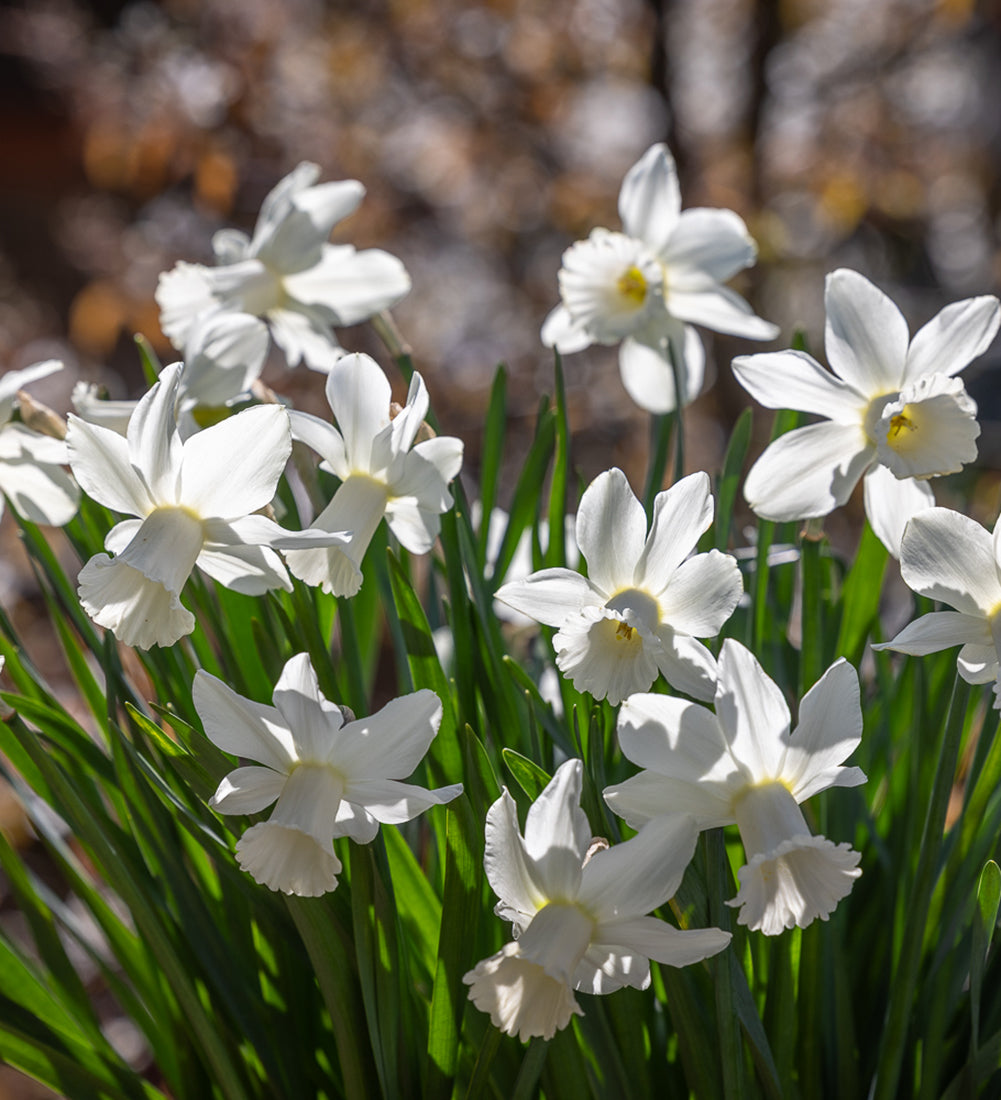
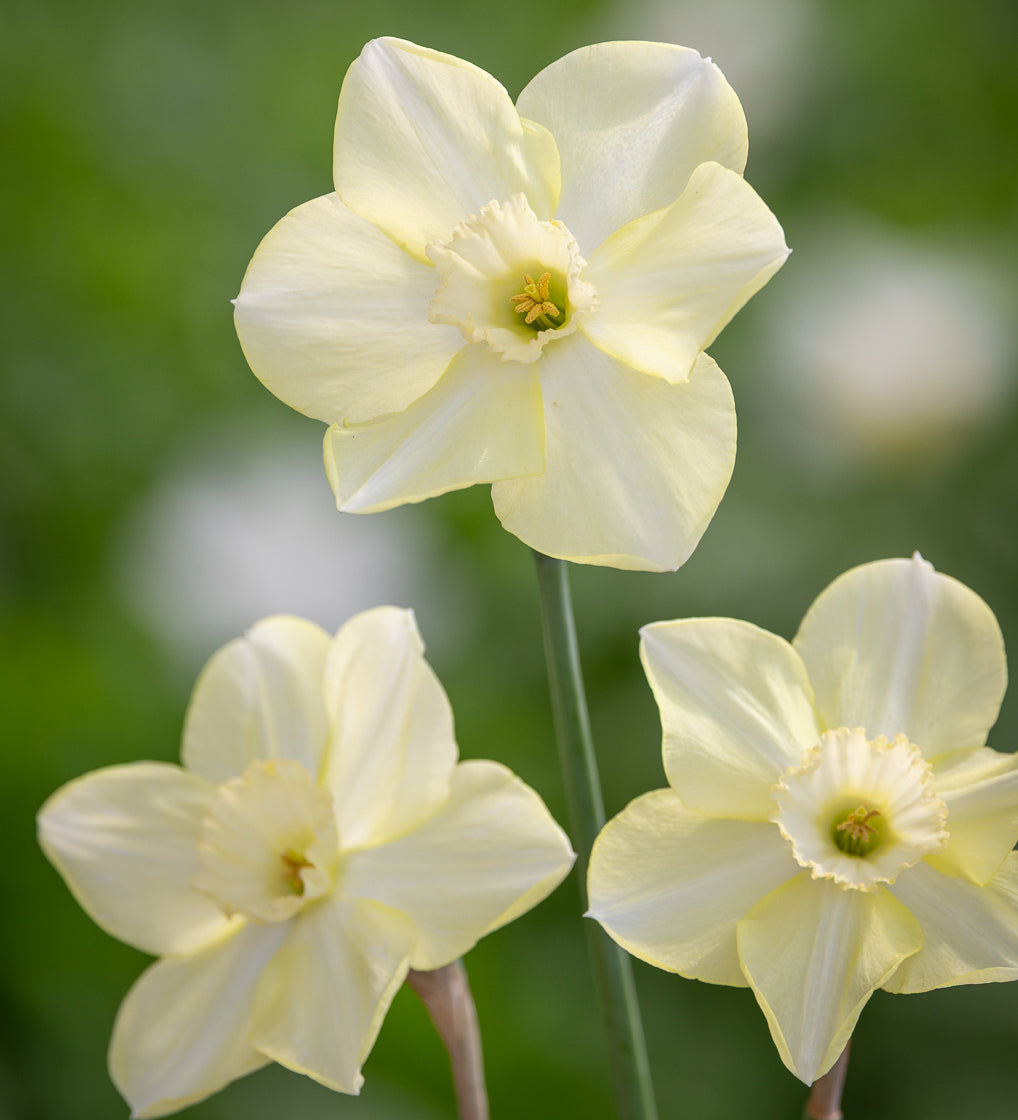
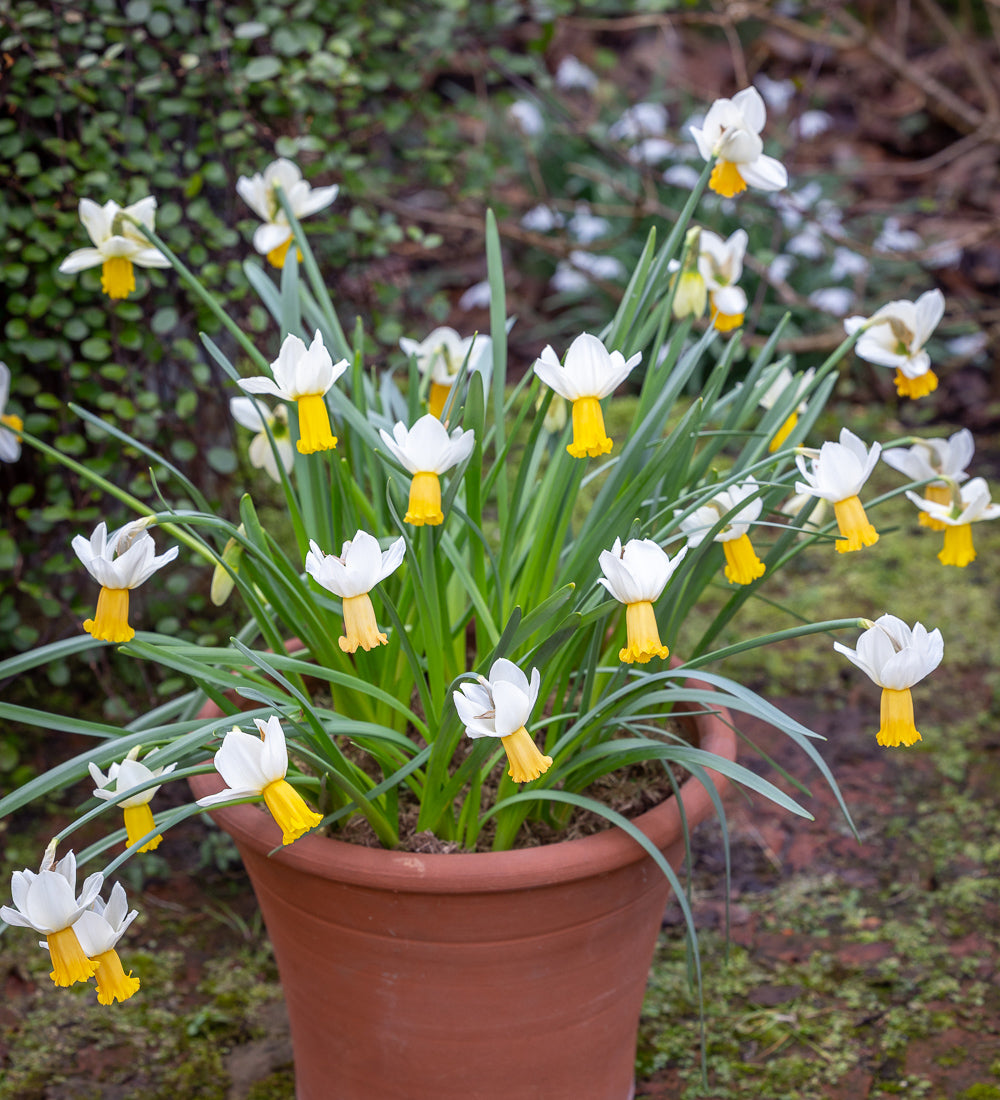
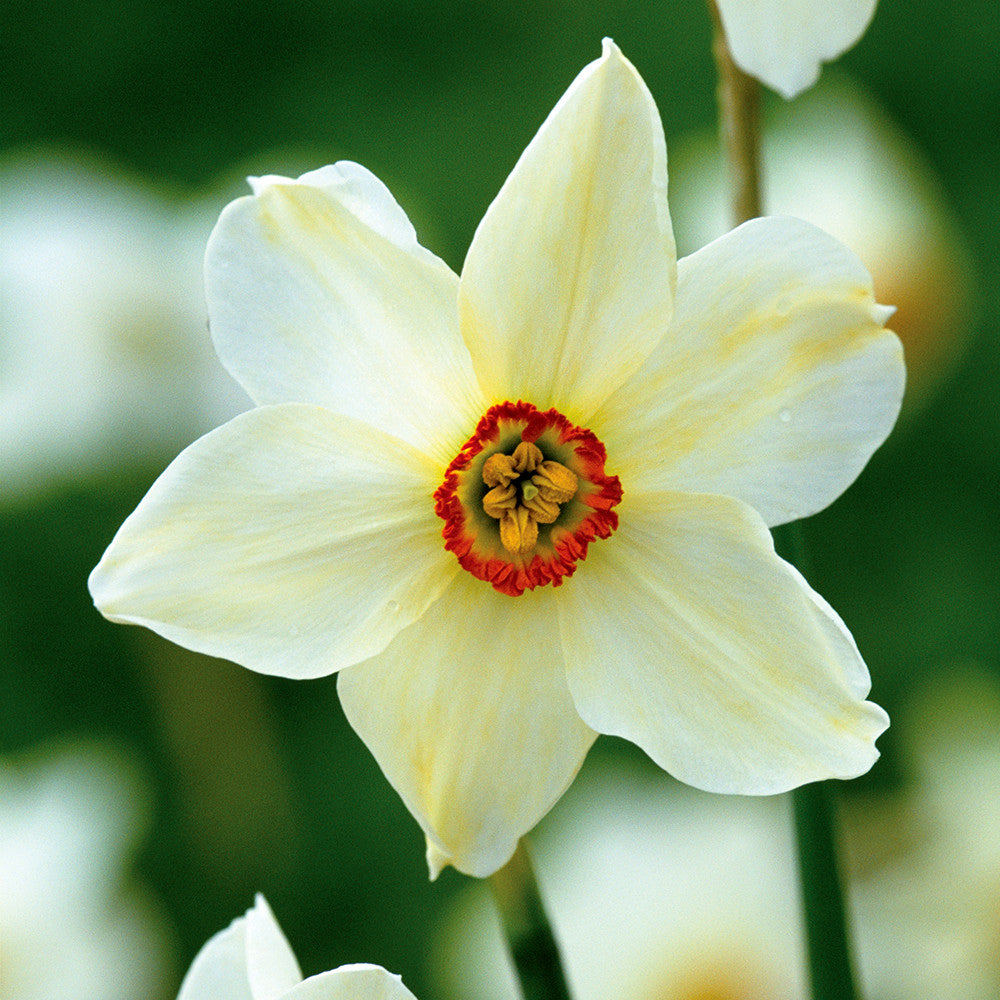
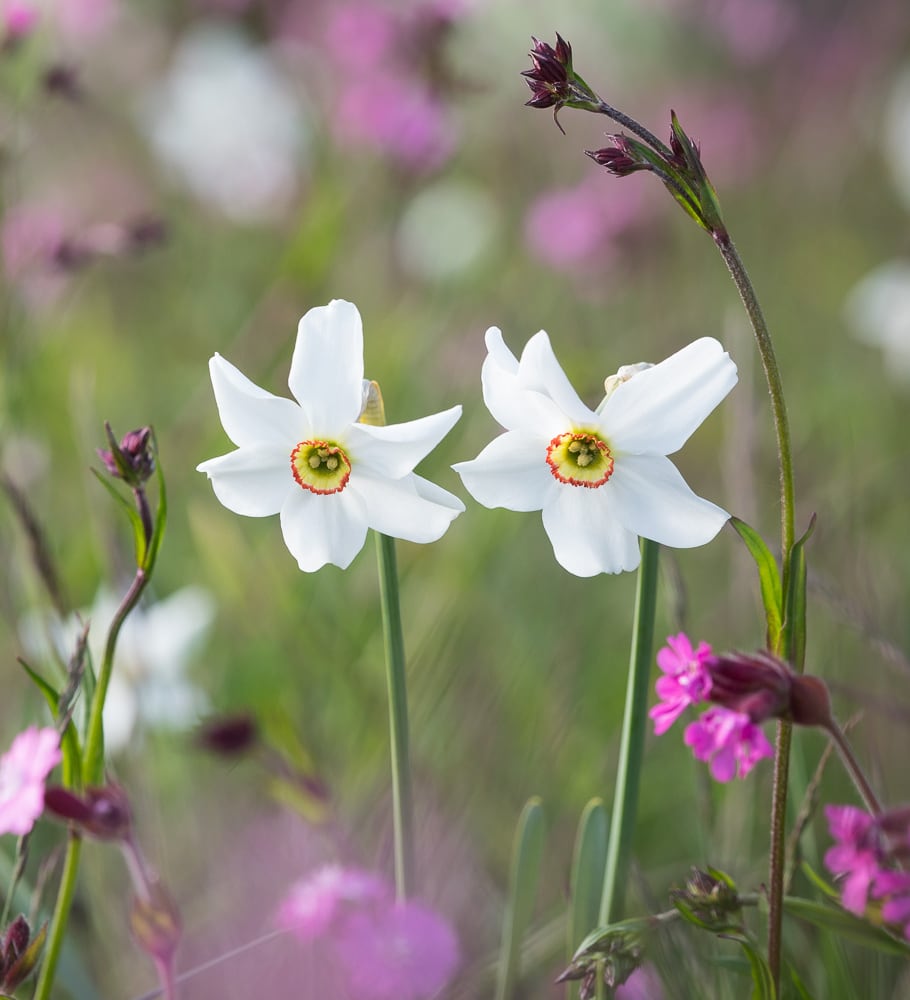
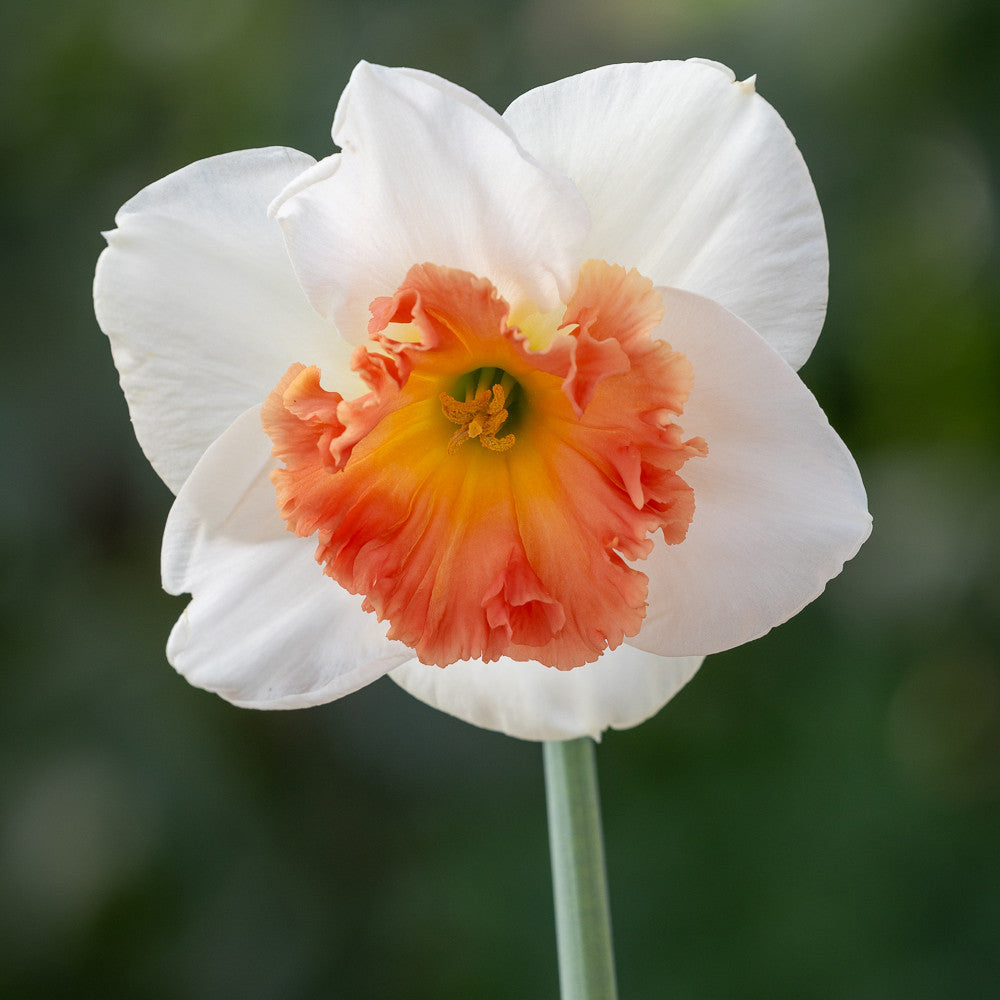
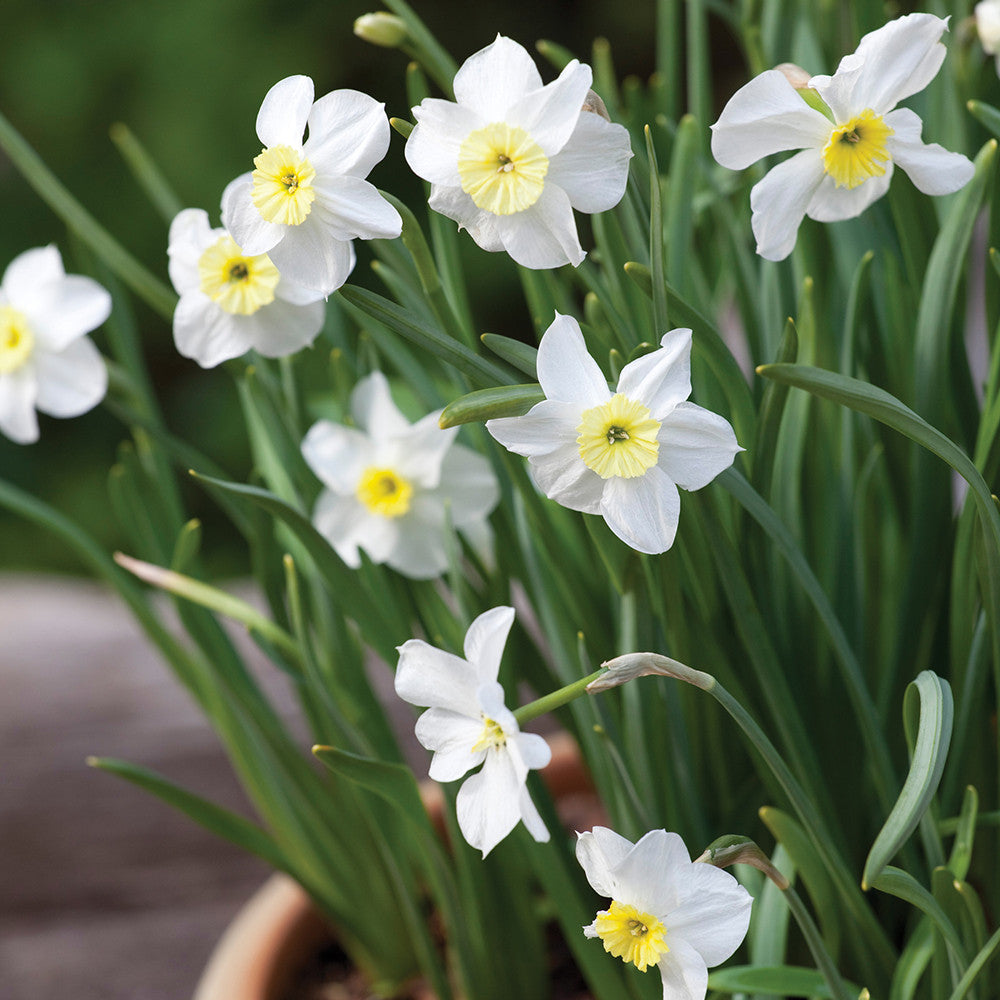
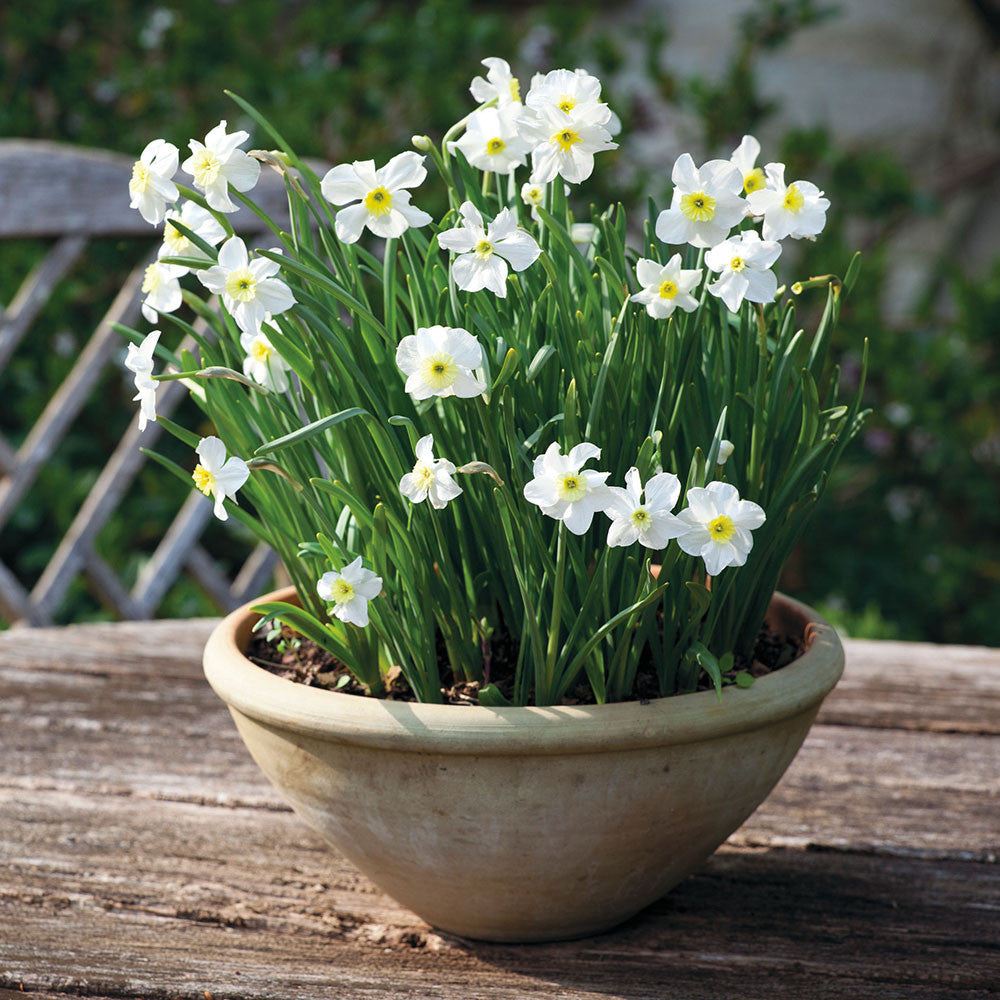
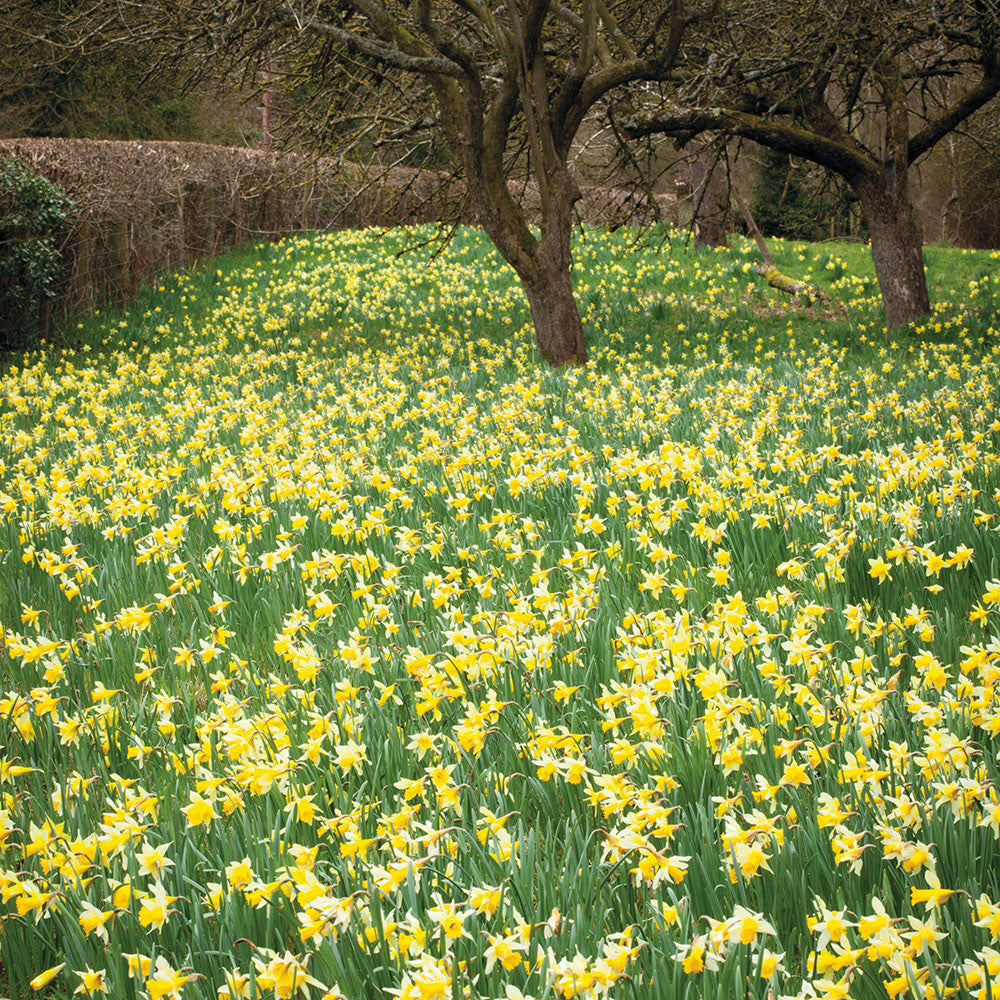
Narcissi - or daffodils - are super tolerant of almost any site and situation, and very reliable, with clumps getting bigger and better each year. If you choose your daffodil bulbs carefully you can have colour in your garden and flowers to pick from late February through to May. Our extensive range of narcissi bulbs features the very best tried and tested varieties for beautiful, scented early spring cheer. Fill pots with delicate miniature flowers, add impact with stunning pure white varieties and fill the garden with fragrance with our multi-headed daffodils. Our range also includes exclusive collections, with stylish combinations of daffodil bulbs selected for scent, successional planting or growing in pots.
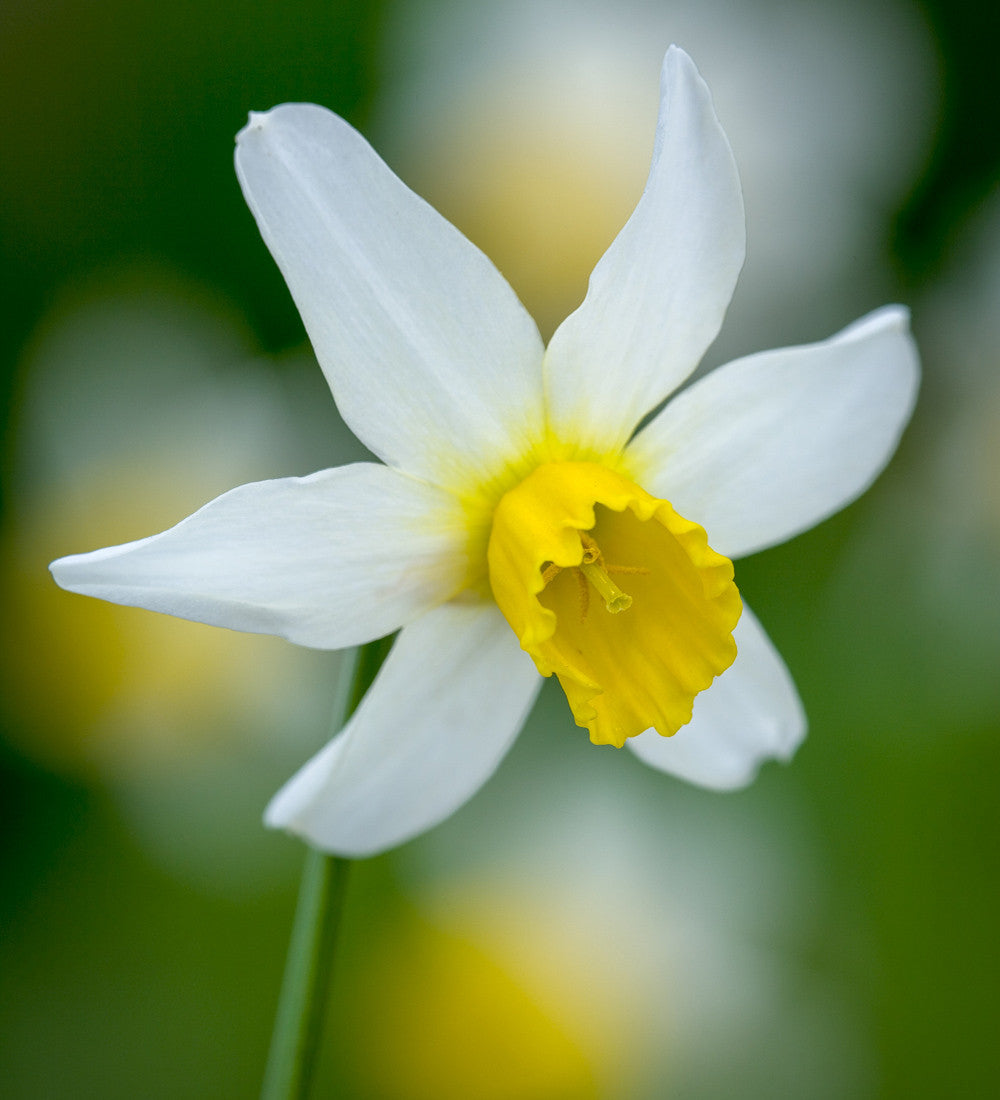
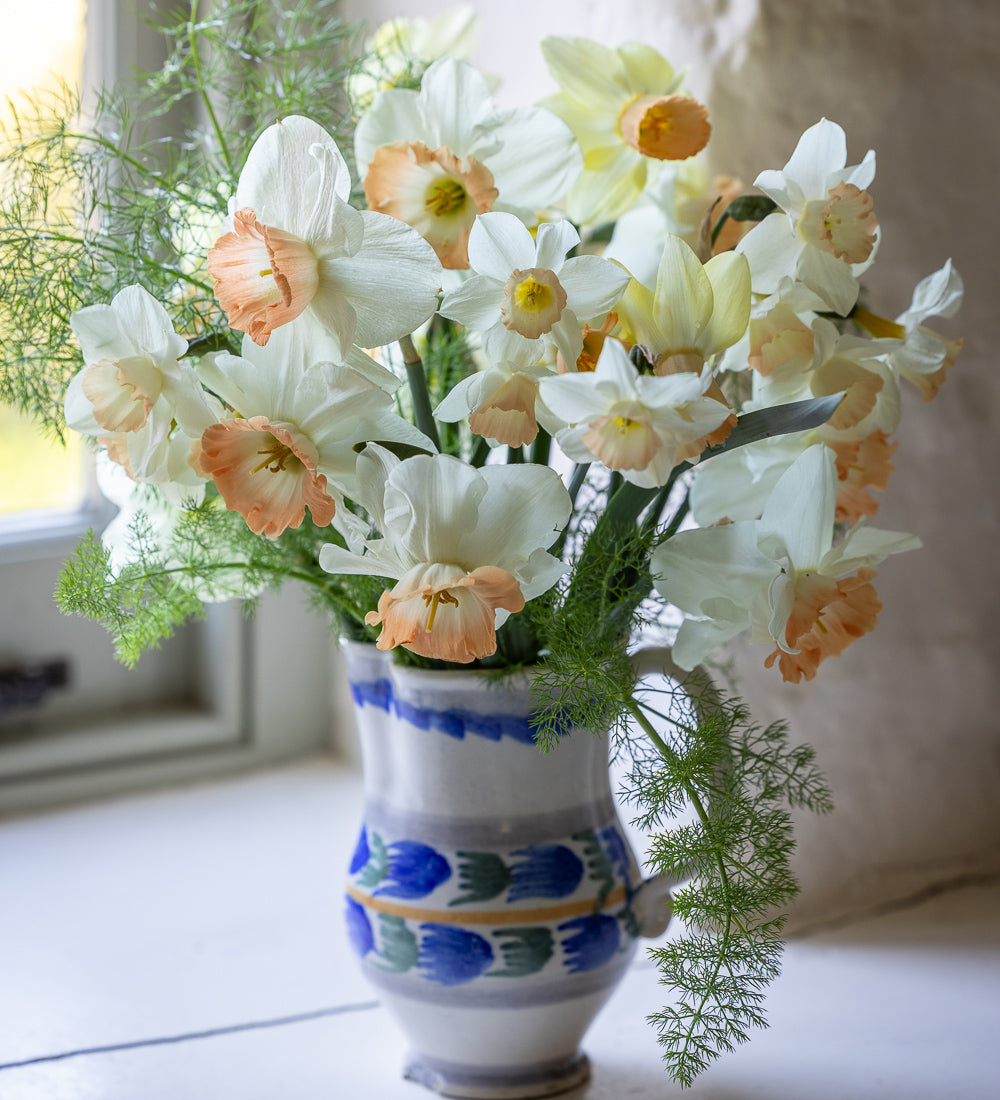
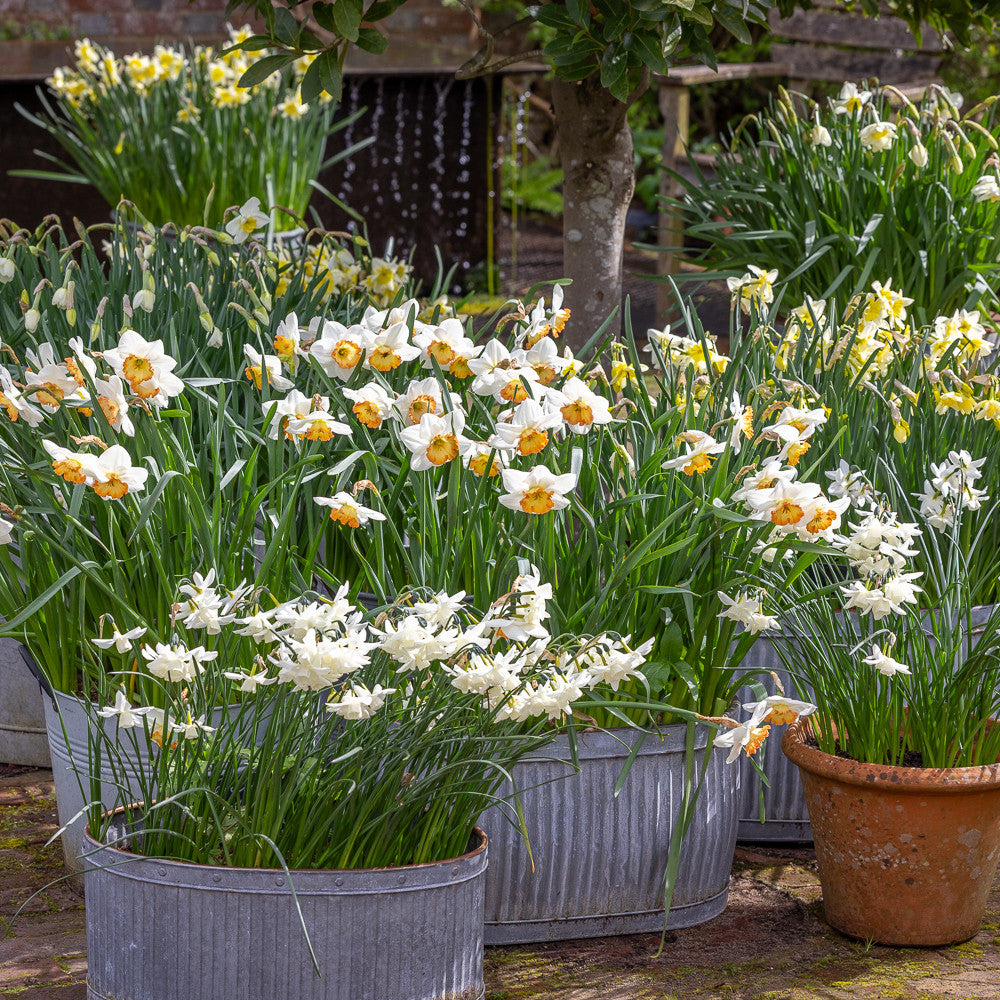
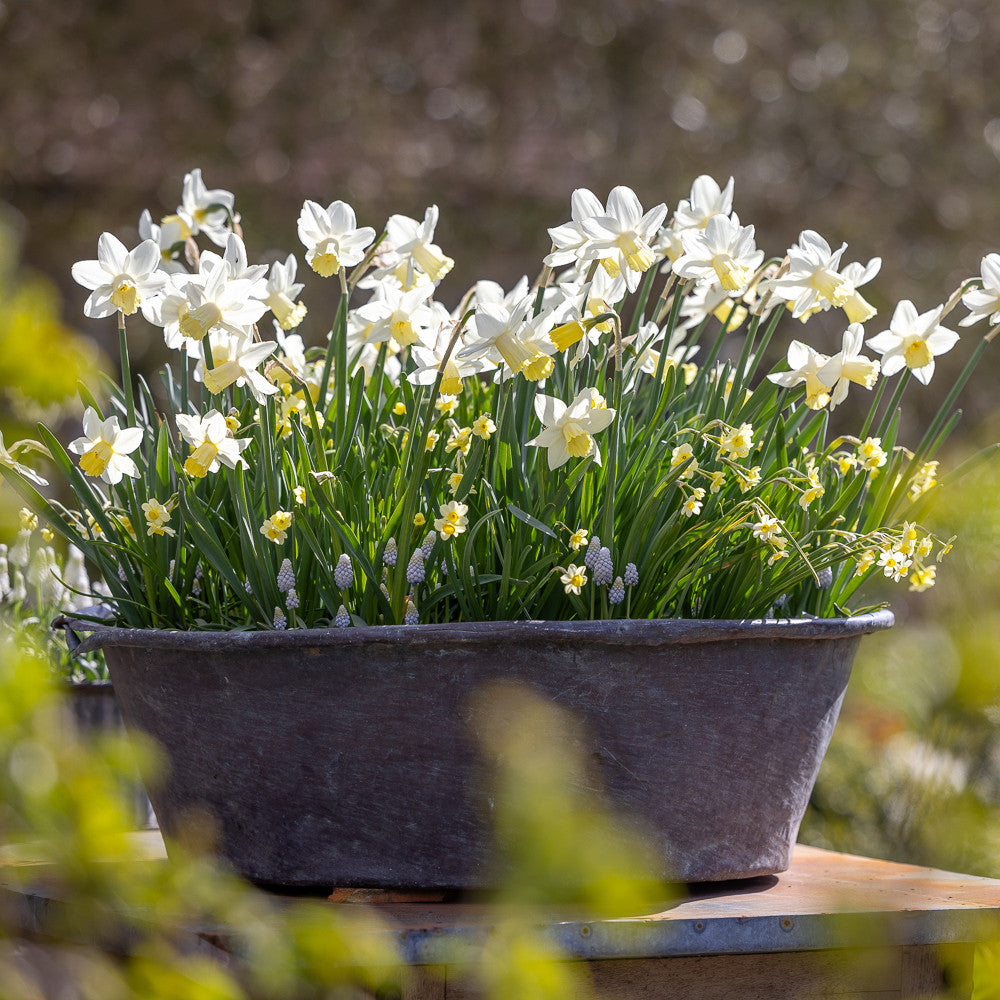
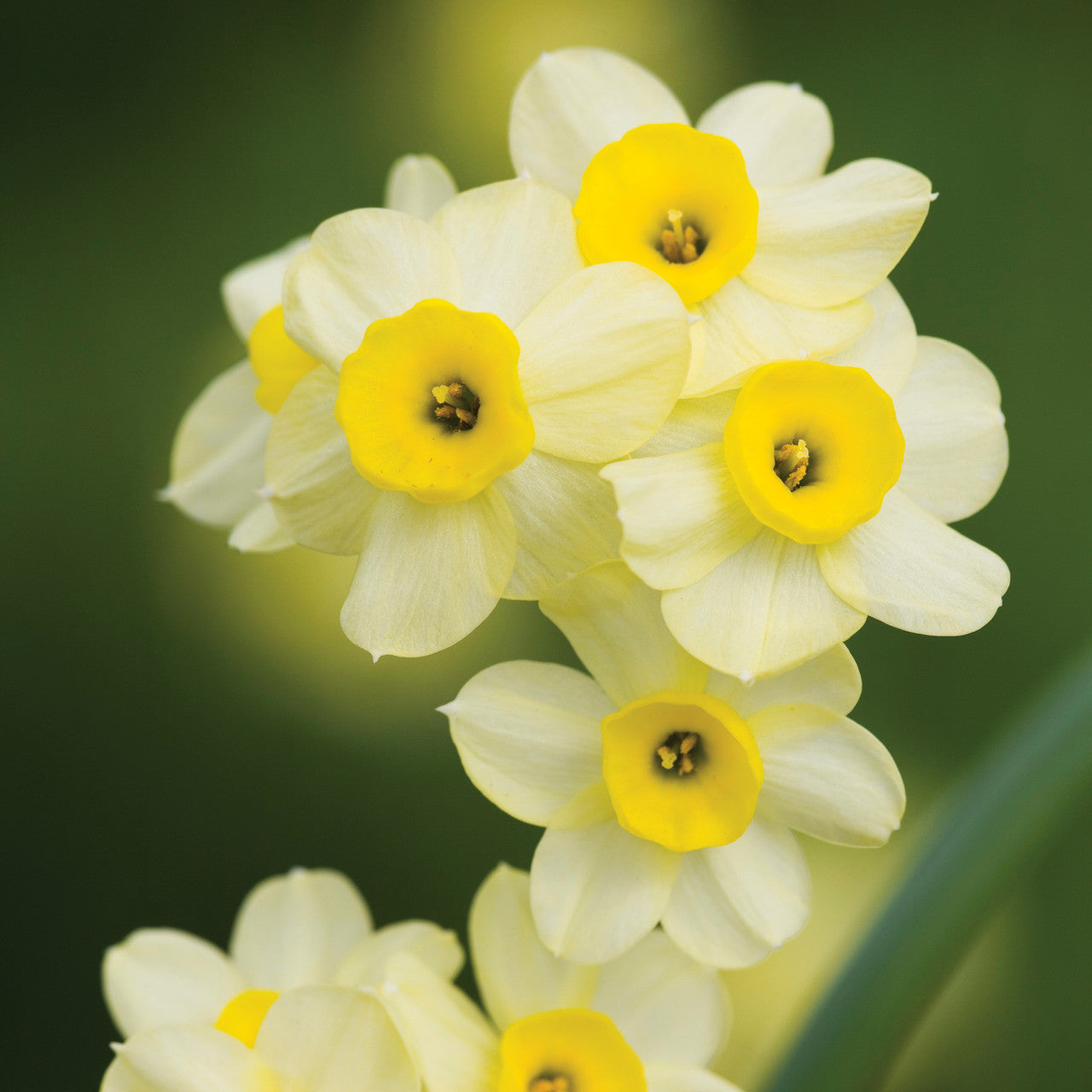
More is more
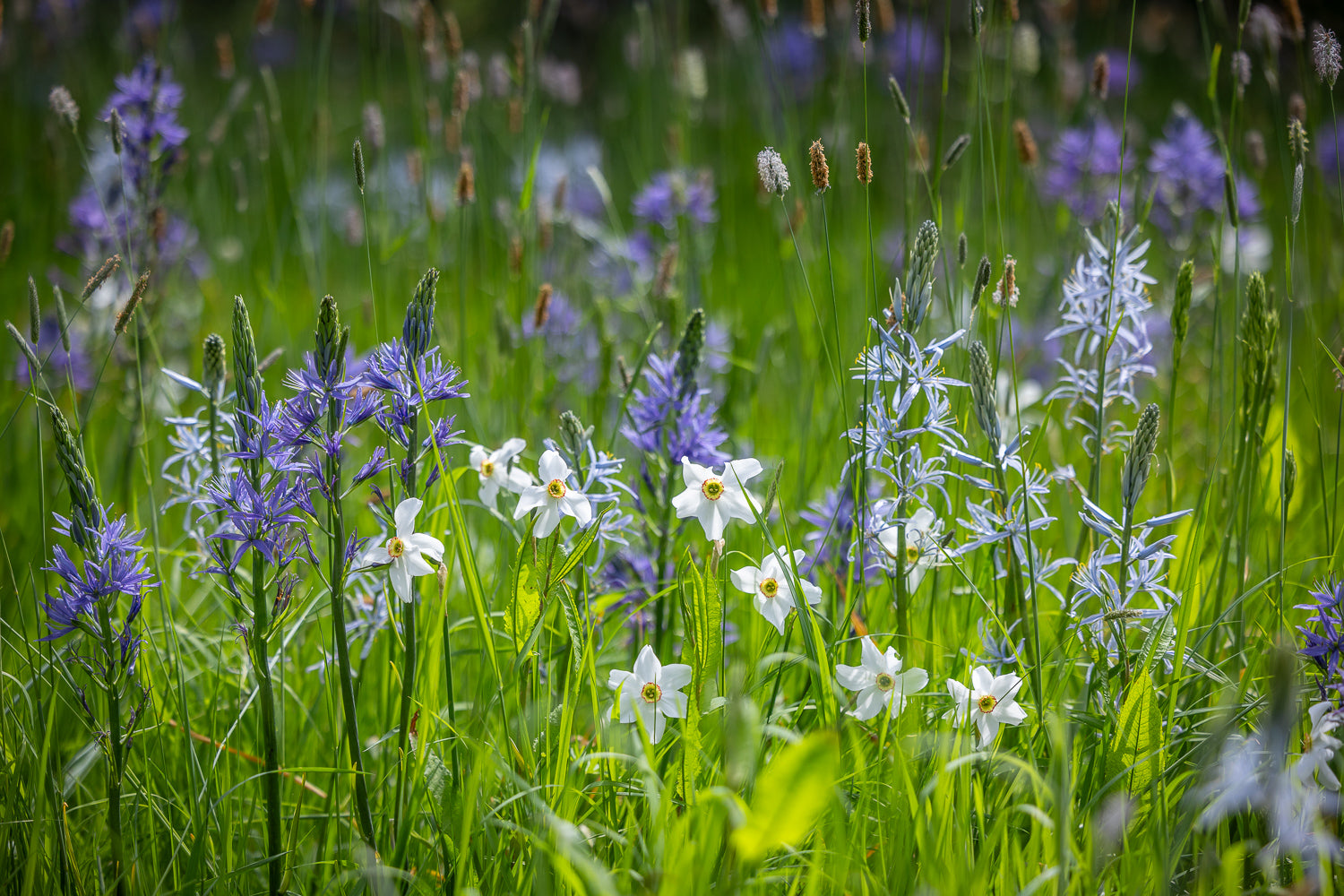
Think bigger this bulb season. Choose larger packs for the abundant planting we love at Perch Hill.
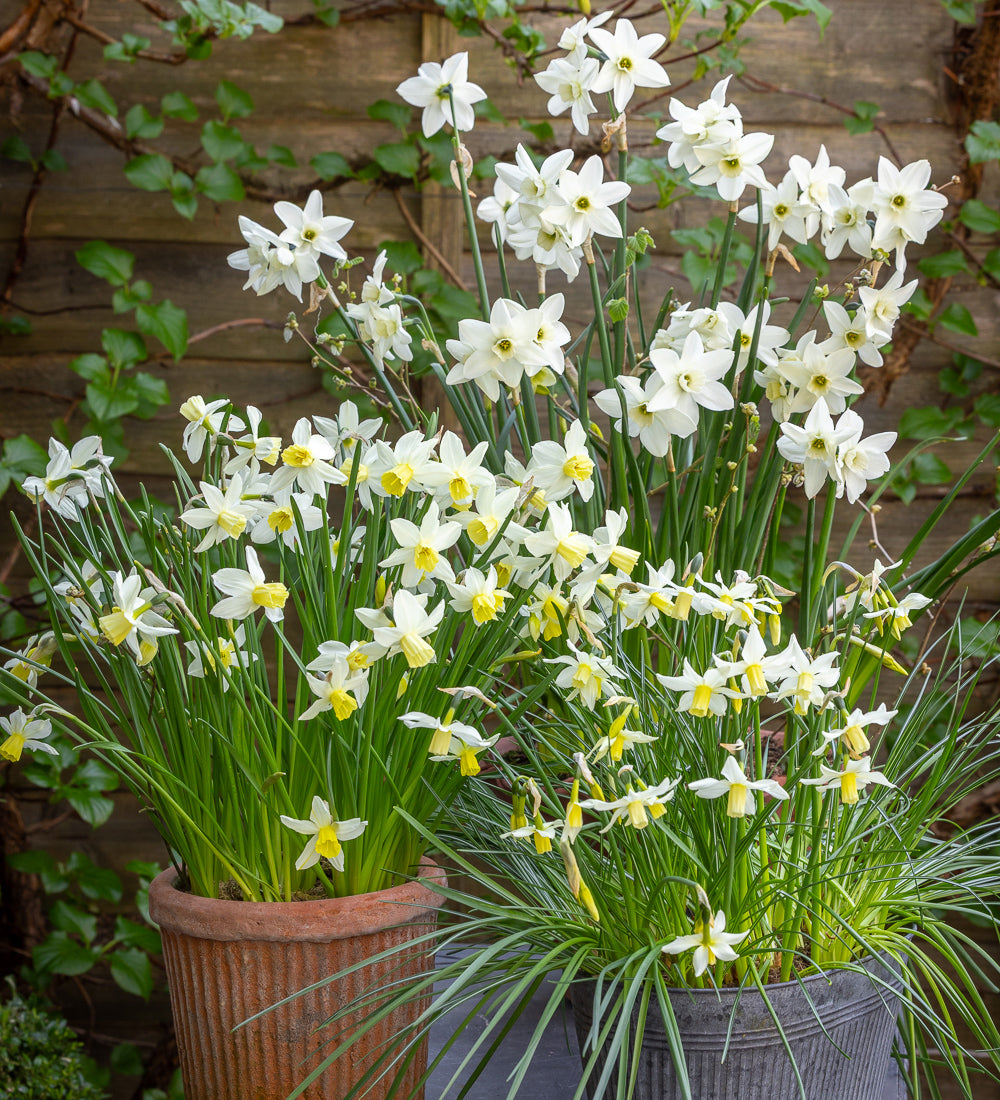
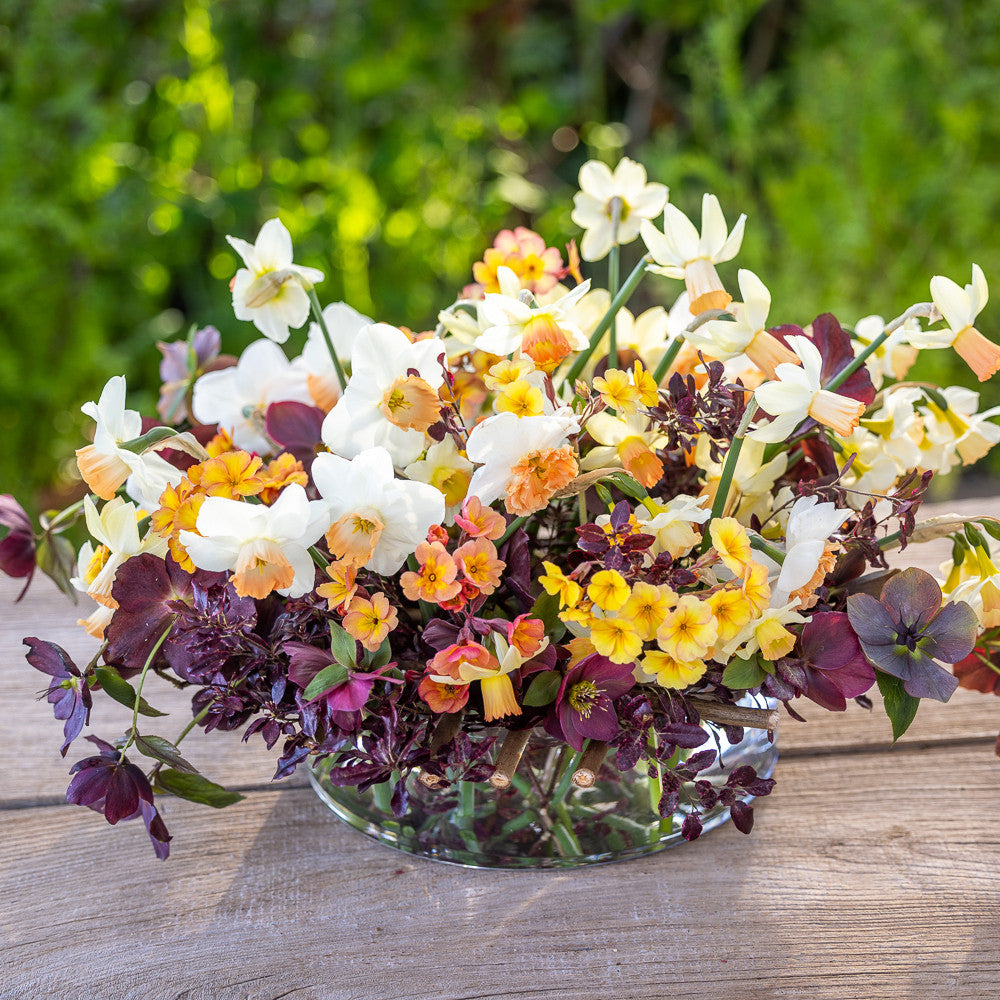
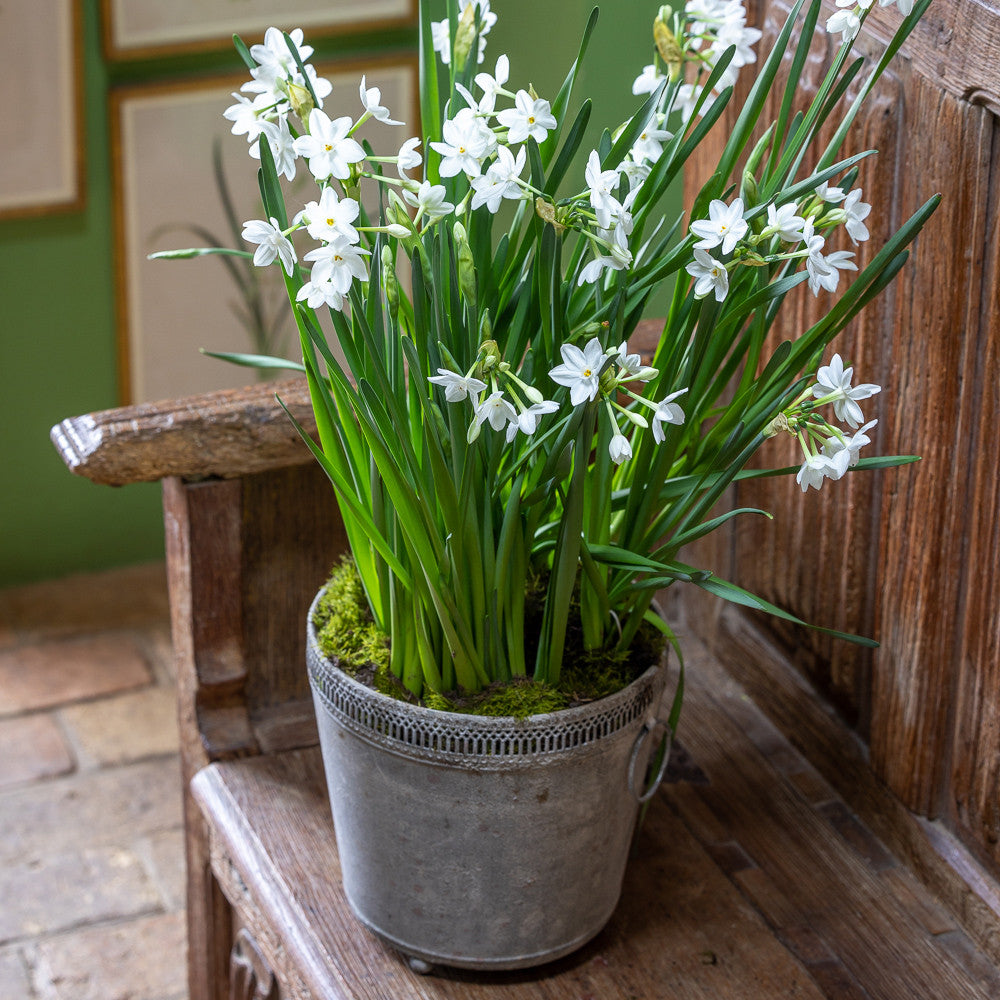
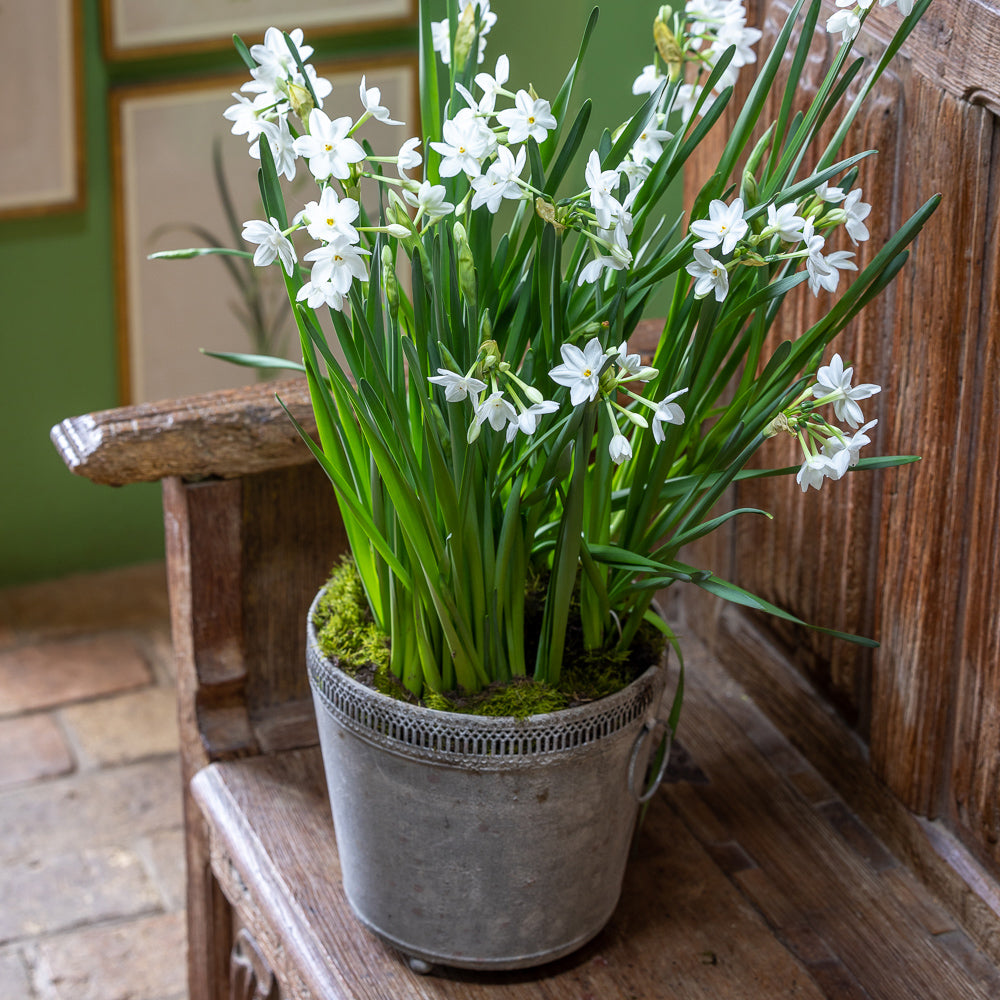
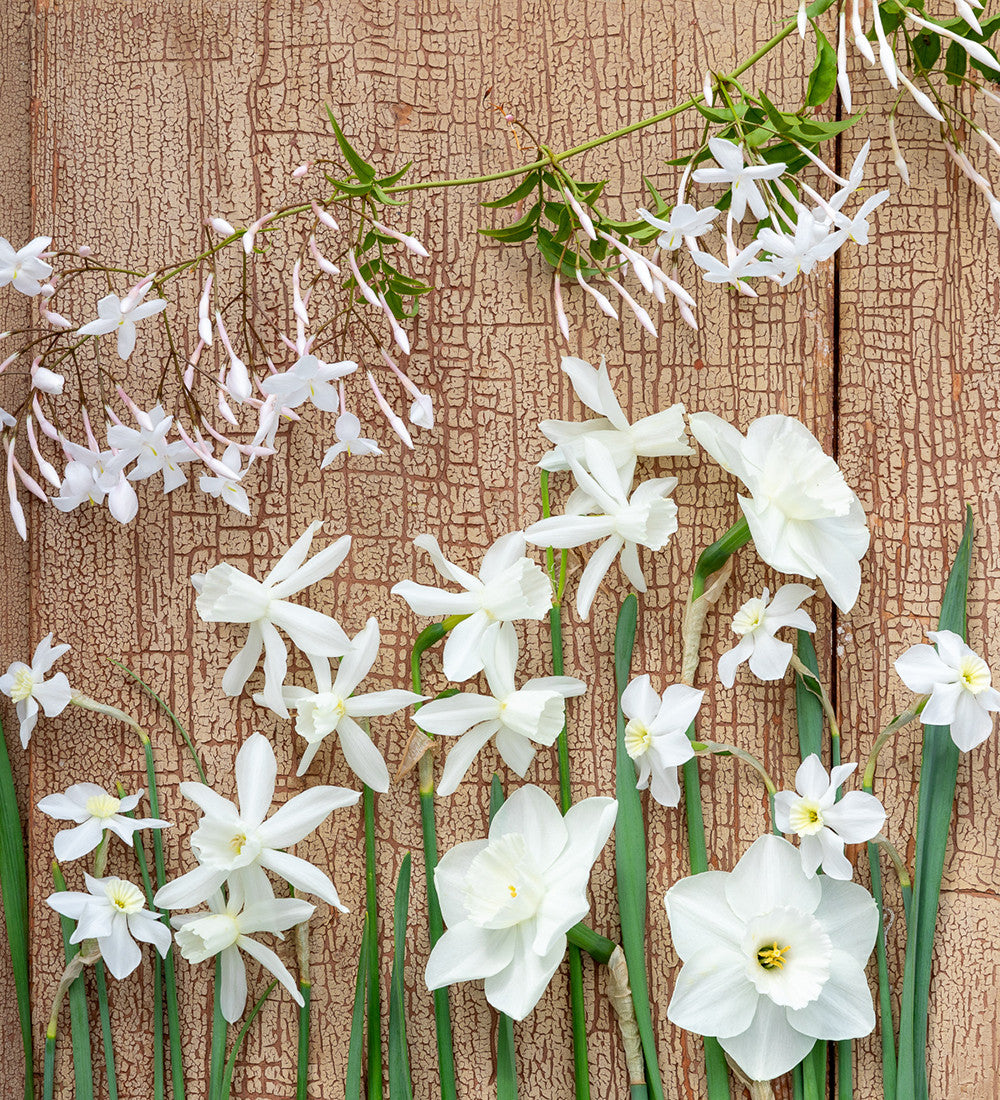
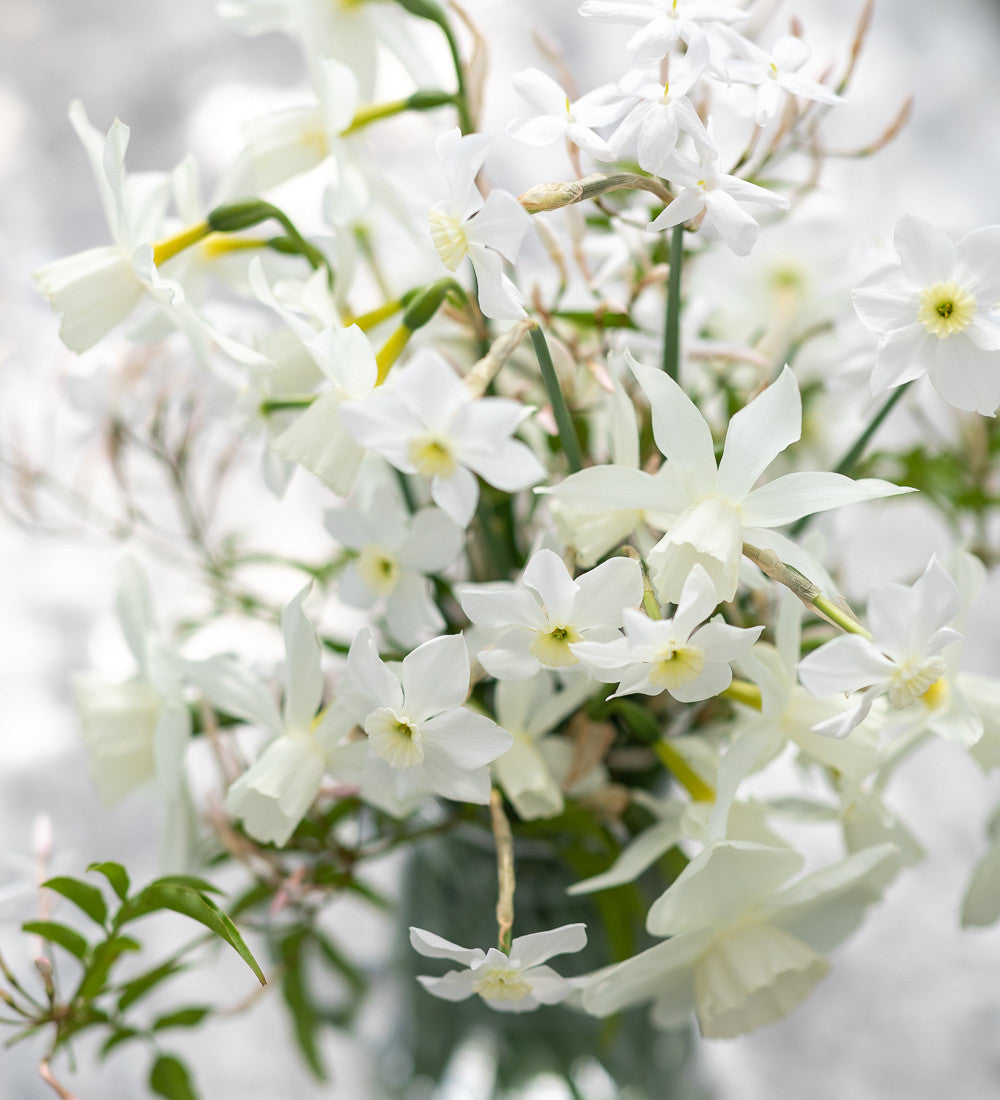

-
Do daffodils spread, multiply and come back every year?
Narcissi are hardy perennial bulbs, so with proper planting and care they will come back every year. If the bulbs are in the ground and they have clumped up over a few years, you can divide overcrowded groups in late summer and plant offsets in other parts of the garden. If your bulbs are in pots, refresh the compost every year to provide nutrients for the bulbs.
-
Will daffodils grow in shade?
Partial shade is tolerated by most narcissi varieties, but they prefer full sun.
-
Why are daffodils called narcissus?
In Greek mythology, Narcissus was a hunter who fell in love with his reflection in a pool of water. Unable to tear himself away from his reflection, he drowned trying to get a better look and narcissi flowers grew up where he had been sitting.
-
Should I deadhead as the flowers go over?
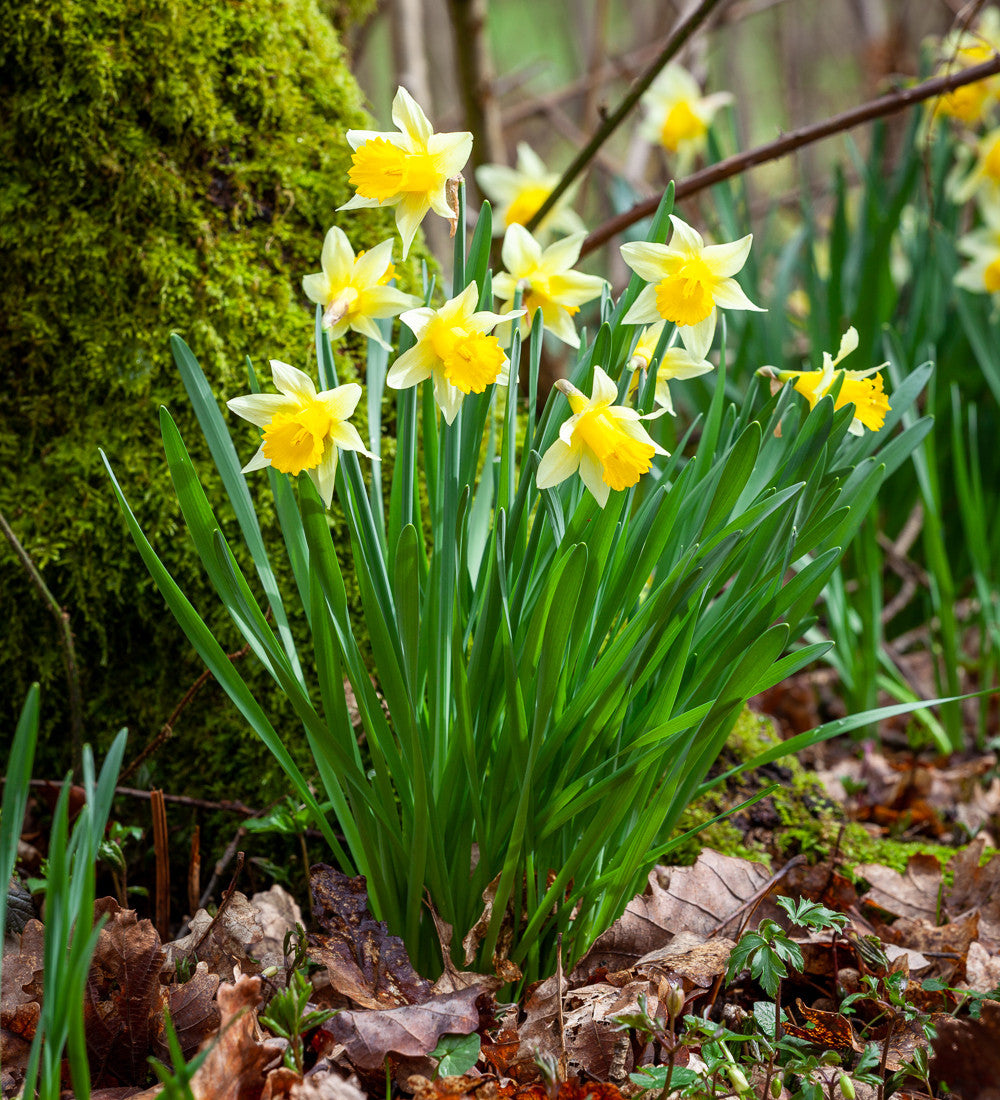
Yes, once they have flowered, you can cut the stem above the leaves. This helps divert energy to building up reserves in the bulb rather than for seed production. The exception to this rule is N. pseudonarcissus and other species which will self seed. With these, leave the seed heads on until they have opened and dispersed their seed (around late May-June).
-
When should I cut narcissus foliage back?
Do not remove the foliage; or mow, for at least six weeks after flowering. This will help next year’s flowers. Just leave the leaves to die back naturally without snipping off or tying in knots.